

Burnt out and seeking solace, I found an unexpected sanctuary in the steamy embrace of a Japanese onsen. What began as a cultural curiosity transformed into a profound journey of self-discovery and unparalleled tranquility. Get ready to dive deep into an experience that will soothe your soul and redefine relaxation. ---
## I Found Peace in a Japanese Onsen
The city lights of Tokyo blurred behind me, a frantic kaleidoscope of neon and human ambition. I was burnt out, a crisp around the edges, feeling the familiar hum of constant connectivity and relentless deadlines reverberate through my very bones. My trip to Japan was meant to be an escape, a cultural immersion into a world vastly different from my own. But deep down, I yearned for something more – a release, a silence, a moment of true, unadulterated peace. I found it, quite unexpectedly, in a place I initially approached with a mix of apprehension and curiosity: a Japanese onsen.
Before this trip, my idea of relaxation involved a quick shower and maybe a scented candle. The concept of stripping down completely, in front of strangers no less, and soaking in volcanic hot springs felt… alien. Yet, the whispers of its restorative powers, its deep cultural roots, kept pulling me in. What I discovered was more than just a bath; it was a ritual, a profound connection to nature, and ultimately, a journey back to myself.
### The Call of the Onsen: Why Japan’s Hot Springs Are More Than Just Baths
Japan, a land forged by fire and ice, is dotted with thousands of natural hot springs, or onsen. These aren't just geological curiosities; they are integral to the nation's culture, history, and spiritual well-being. From ancient samurai seeking to heal their wounds to modern city dwellers escaping the urban grind, the onsen has always been a sanctuary.
My own journey to the onsen began in Hakone, a picturesque mountainous town famed for its views of Mount Fuji and, you guessed it, its abundant hot springs. The air here felt different – cleaner, crisper, carrying a faint, earthy scent of sulfur that hinted at the geothermal wonders beneath my feet. I’d booked a stay at a traditional ryokan (Japanese inn) with its own private and communal onsen, determined to fully immerse myself in the experience.
Initially, the sheer thought of communal bathing made me incredibly nervous. I’m a fairly private person, and the idea of being completely exposed felt… vulnerable. But the more I read, the more I understood that this vulnerability was part of the process, a shedding of inhibitions that paved the way for deeper relaxation. It wasn't about exhibitionism; it was about communal purity and shared tranquility. The onsen, I learned, is rooted in Shinto beliefs of purification and reverence for nature. It's a place where you cleanse not just your body, but your spirit. And oh, how my spirit needed cleansing.
### Navigating the Onsen Etiquette: A First-Timer's Guide to Pure Bliss
Stepping into an onsen for the first time can feel like navigating a sacred labyrinth. There are rules, unspoken codes, and a ritualistic flow that, once understood, makes the experience even more profound. My first encounter involved a lot of anxious observation and a helpful little diagram in my ryokan room. Here’s what I learned, so you don't have to stumble quite as much as I did:
1. Strip Down Completely: Yes, this is the big one. Clothes, swimsuits, everything comes off in the changing room. You’re typically provided with a small towel (the "modesty towel" or kakeyu towel) which you can use to cover yourself while walking, but it should never enter the main bathwater.
2. Wash Thoroughly Before Soaking: This is non-negotiable and the most important rule. Before you even dip a toe in the main bath, you must sit on one of the small stools at the washing stations. Use the provided soap, shampoo, and showerhead to scrub every inch of your body. Rinse thoroughly. This isn't just about hygiene; it’s a mark of respect for the communal water and fellow bathers.
3. Enter the Bath Slowly: Once clean, approach the main onsen. Dip your feet in first, then slowly lower yourself into the steaming water. The temperature can be surprisingly hot (typically 40-44°C or 104-111°F), so ease in.
4. No Towels in the Water: Remember that modesty towel? It stays out of the bath. You can fold it and place it on your head (a common practice to prevent overheating and keep it dry) or set it on the edge of the bath.
5. Silence is Golden (Mostly): Onsens are places of quiet contemplation. While hushed conversations are generally okay, loud talking, splashing, or boisterous behavior is frowned upon. This is a space for quiet reflection.
6. Hydrate, Hydrate, Hydrate: The hot water can be dehydrating. Make sure to drink plenty of water before and after your soak. Many onsens have water dispensers nearby.
7. Watch the Time: Don't overdo it, especially if you're new to hot springs. Start with 10-15 minutes, take a break, cool down, and then return if you wish. Listen to your body.
8. Tattoos: This is a tricky one. Traditionally, tattoos are associated with Yakuza and are often banned in public onsens. However, this is changing, especially in tourist-friendly areas. Some establishments offer private onsens, or might allow small tattoos if covered with a patch. Always check beforehand! My ryokan had private onsens available, which offered a great alternative.
Following these simple rules not only shows respect but also enhances your own experience, allowing you to fully relax into the ritual.
### My Onsen Revelation: A Journey from Awkwardness to Bliss
My first foray into the communal onsen was, as expected, a mixture of trepidation and anticipation. Clutching my tiny towel, I scurried past the changing room, trying to appear nonchalant while internally panicking about my nakedness. The steam-filled bathing area was a sensory overload: the earthy scent of minerals, the gentle slosh of water, the hushed murmur of other bathers, and the soft glow of lanterns.
I diligently performed the washing ritual, scrubbing myself clean at one of the individual stations. The warm water cascaded over my skin, washing away not just the grime of the day but also, it felt, some of my lingering anxieties. Taking a deep breath, I slowly lowered myself into the main bath. The initial heat was intense, a shock to my system that quickly melted into a comforting embrace.
I chose the rotenburo, the outdoor bath, nestled amidst a meticulously manicured Japanese garden. As I sank deeper, the steam rose around me, blurring the edges of the world. Above, the sky was a canvas of deepening twilight, slowly revealing the first stars. The air was cool against my face, a delicious contrast to the enveloping warmth of the water. I could hear the gentle rustle of bamboo, the distant chirping of crickets, and the soft gurgle of the spring water feeding into the bath.
It was in that moment, surrounded by nature and enveloped in warmth, that something shifted within me. The self-consciousness faded. The mental chatter quieted. The constant need to do or be something simply evaporated. There was only the present moment, the sensation of the water, the cool air, the vastness of the sky. I felt utterly and completely at peace. It wasn't just relaxation; it was a profound sense of belonging, of being connected to something ancient and pure. The mineral-rich water, thick and silken, felt like a balm on my skin and soul. I emerged, after a blissful half-hour, feeling not just clean, but reborn.
### Beyond the Bath: The Full Onsen Ryokan Experience
While the onsen itself is the star, staying at a ryokan elevates the experience to an entirely different level. It’s a journey into traditional Japanese hospitality, a complete package of relaxation and cultural immersion.
My ryokan in Hakone was a haven of tranquility. After my onsen soak, I returned to my room, where a fresh yukata (a casual cotton kimono) awaited. Slipping into its soft folds, I felt a sense of effortless elegance. Dinner was a kaiseki meal, a multi-course culinary masterpiece served in my room. Each dish was a work of art, meticulously prepared with seasonal ingredients, a feast for the eyes and the palate. From delicate sashimi to perfectly grilled fish and vibrant vegetable tempura, every bite was a revelation.
After dinner, my futon had been laid out on the tatami mat floor, promising a night of deep, restorative sleep. The simple beauty of the room, with its sliding paper screens (shoji) and minimalist aesthetic, further amplified the sense of calm. The entire ryokan experience is designed to slow you down, to encourage presence, and to disconnect from the frantic pace of modern life. It’s an opportunity to truly unwind, to savor each moment, and to appreciate the subtle beauty of Japanese culture.
Budget Tip:
While a full ryokan stay can be pricey (starting from around ¥15,000-¥20,000 per person per night for a mid-range option, often including two meals), many onsen towns offer day-use facilities (higaeri onsen) where you can enjoy the baths for a few hours for a much smaller fee (¥500-¥2,000). This is a fantastic way to experience the onsen without breaking the bank.
### Finding Your Perfect Soak: Top Onsen Towns & How to Choose
Japan is brimming with incredible onsen towns, each with its own unique charm and mineral properties. Here are a few popular and personal favorites to consider for your own pilgrimage to peace:
Hakone (Kanagawa Prefecture): My personal choice for its accessibility from Tokyo (just an hour by train on the Odakyu Romancecar) and its stunning natural beauty, often with views of Mount Fuji. It offers a mix of luxury ryokans, day-use onsens, and a variety of bath types. Getting there:* Take the Odakyu Romancecar from Shinjuku Station in Tokyo to Hakone-Yumoto.
Kinosaki Onsen (Hyogo Prefecture): A charming, traditional onsen town famous for its seven public bathhouses. Guests staying at a ryokan here often receive a pass to visit all seven, strolling between them in their yukata and geta (wooden clogs). It's a truly immersive, picture-perfect experience. Getting there:* Direct limited express trains from Kyoto or Osaka.
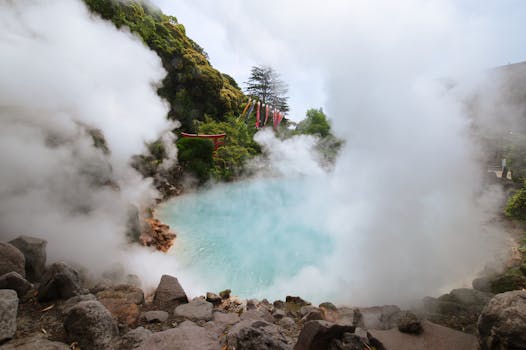
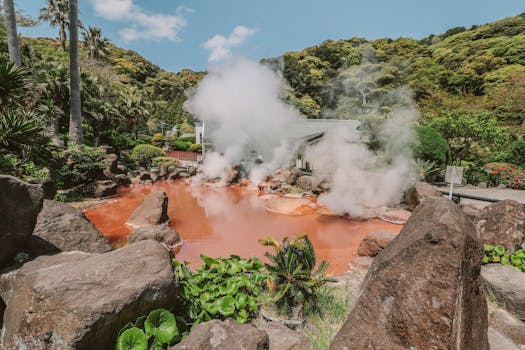
Beppu (Oita Prefecture): Located on Kyushu island, Beppu is one of Japan's most famous onsen resorts, boasting more hot spring sources and water volume than any other place in the country. It's known for its "Hells of Beppu" (spectacular, non-bathing hot springs) and a wide variety of onsen experiences, including sand baths and mud baths. Getting there:* Direct trains from Fukuoka.
Gero Onsen (Gifu Prefecture): Renowned for its silky-smooth alkaline waters, often called "onsen for beautiful skin." It's a tranquil town nestled in the mountains, perfect for a relaxing getaway. Getting there:* Limited express train (JR Hida) from Nagoya.
Kurokawa Onsen (Kumamoto Prefecture): A secluded gem in the Aso caldera of Kyushu, offering a rustic, traditional feel. Many ryokans here have stunning outdoor baths along a river. It's famous for its Tegata pass, allowing you to sample three different onsens. Getting there:* Best accessed by bus from Kumamoto or Fukuoka.
Choosing Your Onsen:
Consider what you're looking for:
* Accessibility: How far are you willing to travel from major cities?
* Atmosphere: Do you prefer a bustling town, a secluded mountain retreat, or a seaside resort?
* Bath Types: Are you seeking a specific mineral property (sulfur, iron, carbonated)? Do you want indoor, outdoor, mixed-gender (rare, but exist), or private baths?
* Budget: Day-use onsens are cheapest, public onsens are next, and luxury ryokan stays are the most expensive.
### Practicalities & Planning: Making Your Onsen Dream a Reality
Ready to book your own journey to peace? Here’s what you need to know to plan your perfect onsen escape:
* Best Time to Visit:
* Autumn (October-November): Crisp air, vibrant fall foliage, and the steamy onsen create a magical contrast. Instagram-worthy perfection!
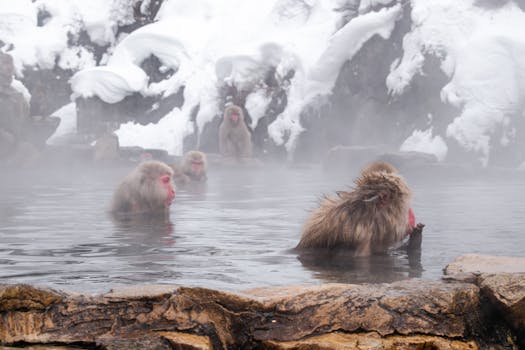
* Winter (December-February): Imagine soaking in an outdoor onsen while snowflakes gently fall around you. Pure bliss. This is often considered the quintessential onsen experience.
* Spring (March-May): Enjoy cherry blossoms (sakura) while soaking, especially in towns like Hakone or those near rivers.
* Summer (June-August): Can be hot and humid, making hot spring soaking less appealing for some, but mountain onsens offer cooler escapes.
* Booking:
* Ryokans: Book well in advance, especially for popular towns and during peak seasons. Websites like Booking.com, Agoda, and Rakuten Travel are good starting points. Many ryokans also have English-language direct booking options.
* Day-Use Onsens: Usually don’t require booking. You just show up, pay an entrance fee, and enjoy.
* What to Pack (Beyond the Obvious):
* Small Modesty Towel: While usually provided, having your own small, quick-drying towel can be handy for day-use onsens.
* Hydrating Lotion/Moisturizer: The mineral waters, while beneficial, can sometimes be drying.
* Slip-on Shoes: Easy to take on and off for changing rooms.
* A Good Book: For relaxing post-soak in your ryokan room or a lounge area.
* Cash: Smaller onsens, especially in rural areas, may only accept cash.
* Language Barrier: While many tourist-friendly onsens and ryokans have English-speaking staff or English signage, it’s always a good idea to have a translation app handy. Learning a few basic Japanese phrases like "Arigato gozaimasu" (Thank you) and "Sumimasen" (Excuse me/Sorry) goes a long way.
* Safety & Health Considerations:
* Stay Hydrated: Drink plenty of water.
* Don't Over-Soak: If you feel dizzy or lightheaded, get out.
* Avoid Alcohol Beforehand: It can increase the risk of dehydration and dizziness.
* Medical Conditions: If you have high blood pressure, heart conditions, or are pregnant, consult your doctor before using onsens. Some onsens have signs recommending against use for certain conditions.
* No Soap in the Main Bath: This is a hygiene and safety rule.
* No Food or Drink in the Bathing Area: Keep it clean.
### The Lingering Peace: Bringing the Onsen Zen Home
My onsen experience in Hakone was more than just a luxurious soak; it was a profound lesson in slowing down, in embracing vulnerability, and in finding tranquility amidst the chaos. I arrived in Japan feeling fragmented, my mind a buzzing hive of unfinished thoughts. I left with a quiet calm that resonated deep within me, a sense of wholeness I hadn't felt in years.
The peace I found wasn't fleeting. It was the kind that lingers, a gentle reminder to seek moments of stillness, to reconnect with nature, and to honor the simple act of self-care. I learned that sometimes, the greatest adventure isn't about conquering mountains or navigating bustling cities, but about immersing yourself in a tradition that washes away your worries and leaves you feeling utterly renewed.
So, if you're feeling the pull of burnout, the need for a true escape, or simply craving an experience that nourishes your soul, I implore you: go find your peace in a Japanese onsen. Let the steaming waters cleanse your body and spirit, let the quietude mend your mind, and let the ancient traditions transport you to a state of pure bliss. It’s an adventure you won’t just remember; it’s one that will change you.
Ready to soak away your worries? Share your dream onsen destination in the comments below, or tag us on Instagram with #TripsoraOnsen if you embark on your own journey to peace!
---
Visual journey

Tags
Share this adventure
Join the travel community
New adventures, cultural insights and travel inspiration, straight to your inbox.
We may receive a commission if you click on a link and buy a product, service or policy, at no extra cost to you. How affiliate links work.
Been there?