

Deep in the Nepalese Himalayas, far from any paved road or cell tower, I braced myself for a complete digital detox. But a surprising discovery in a tiny, ancient village turned my expectations upside down, proving that even in the remotest corners of the world, connection can find you in the most unexpected ways. Join me on a journey to a digital oasis where ancient traditions meet modern convenience, and learn how to find your own hidden gems. ---
## I Found Free Wi-Fi in the Middle of Nowhere: My Himalayan Digital Oasis
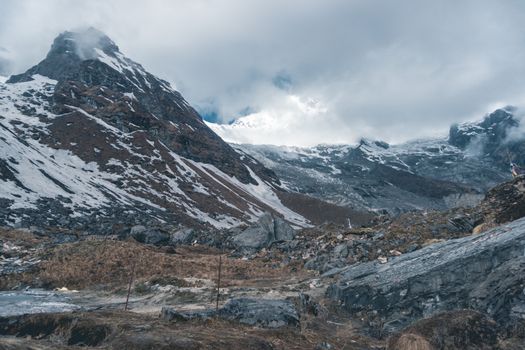
The crisp, thin air bit at my cheeks, carrying the scent of pine and distant woodsmoke. Above me, the snow-capped giants of the Annapurna range clawed at a sky so intensely blue it almost hurt to look. Below, the narrow, rocky trail snaked through terraced fields and dense rhododendron forests, leading deeper into a world that felt ancient, untouched, and utterly disconnected. My phone, a useless brick since we left Pokhara two days ago, confirmed my blissful isolation. This, I thought, was it. The ultimate digital detox. My soul hummed with the promise of unplugging, of truly being present.
Little did I know, the universe had a delightful, utterly baffling surprise waiting for me in the tiny, remote village of Tukchey.
I’m a seasoned traveler, always seeking out the unbeaten path, the places where culture thrives untainted by mass tourism. Connectivity, or lack thereof, is usually a given in these remote havens. I pack satellite messengers for emergencies, offline maps, and enough physical books to last a siege. My expectation for this trekking adventure through the lower Annapurna region was simple: stunning views, incredible culture, and zero internet. So, when I saw it – a hand-painted sign, barely legible, hanging precariously above a small, unassuming teahouse – my jaw practically hit the yak dung-strewn path.
It read: “FREE WI-FI. Best Dal Bhat in Tukchey.”
Free Wi-Fi. In Tukchey. In the middle of nowhere. I blinked. Then I blinked again. Was I hallucinating from altitude sickness? Or had I stumbled upon the most paradoxical digital oasis on Earth? This, friends, is the story of how I found free Wi-Fi where I least expected it, and how it unexpectedly enriched my journey, rather than detracting from it.
### The Journey to Tukchey: Where the World Fades and Wonder Begins
Our trek to Tukchey was an odyssey in itself. We started from a small village accessible by a bumpy jeep ride from Pokhara, then continued on foot. Each step took us further from the hum of modern life, deeper into the embrace of the Himalayas. The path was sometimes steep, sometimes narrow, clinging to the mountainside, offering panoramic views that stole your breath more effectively than the altitude.
Days were spent walking through rhododendron forests alive with birdsong, past cascading waterfalls, and across suspension bridges swaying precariously over roaring rivers. We passed isolated homesteads, where smoke curled lazily from stone chimneys, and children with rosy cheeks waved shyly. The air was pure, the silence profound, broken only by the rhythmic crunch of our boots, the whisper of the wind, and the occasional jingle of yak bells.
Our nights were spent in simple teahouses, warmed by wood-burning stoves, sharing stories with fellow trekkers and local families over steaming mugs of yak butter tea. There was no electricity in many places, just solar lamps or flickering candles. Cell phone signal? A distant memory, a forgotten luxury. This was precisely the experience I cradled – a complete immersion, a forced surrender to the present moment. I had happily embraced the disconnect, savoring every moment of this truly off-grid adventure. So, you can imagine my utter disbelief when Tukchey revealed its secret.
### Tukchey: A Glimpse into Untouched Himalayan Life
Tukchey wasn't on any major trekking map I'd seen. It was a detour, a recommendation from our seasoned local guide, Ram, who promised "authentic village life and views that will make your heart sing." He wasn't wrong. Nestled in a verdant valley, surrounded by towering peaks, Tukchey was a collection of ancient stone houses, their roofs adorned with drying firewood, prayer flags fluttering from every corner. The air here was thick with a sense of timelessness.
Life in Tukchey moved at a different pace. Farmers tended their terraced fields, women spun wool outside their homes, and children chased each other through narrow alleys, their laughter echoing against the mountains. Yaks and goats roamed freely, their bells providing a gentle soundtrack to daily life. There was a small monastery, its vibrant murals depicting ancient tales, and a palpable sense of community and tradition. We were warmly welcomed into a small teahouse run by an elderly couple, their faces etched with a thousand smiles. This was the kind of place you dreamt of when you pictured "the real Nepal."
We spent the afternoon exploring the village, soaking in the serene atmosphere. I helped a local woman carry water from the communal tap, learned a few basic Nepali phrases, and watched a stunning sunset paint the sky in hues of orange and purple over the Machapuchare (Fishtail) peak. As dusk settled, we returned to our teahouse, ready for a hearty dinner and more stories by the fire. It was then, as I was hanging my damp socks to dry, that I spotted it again. That sign. The one I'd dismissed as a mirage.
### The Unveiling: My Digital Oasis in the Mountains
"Ram," I asked, pointing to the sign, "is that… real? Free Wi-Fi?"
Ram chuckled, a deep, rumbling sound. "Ah, yes, Ang Dawa's teahouse. He got a satellite connection a few months ago. Good for trekkers, good for his business. Very slow, sometimes, but it works."
My mind reeled. A satellite connection? Here? It felt like finding a Starbucks on Everest. After finishing my delicious Dal Bhat (which, incidentally, was excellent), I ventured over to Ang Dawa's teahouse. It was even more rustic than ours, a single room with a few wooden benches and a smoky hearth. And there, tucked away in a corner, was a small, dusty router, its tiny lights blinking defiantly in the low light.
"Namaste!" Ang Dawa greeted me, a wizened man with kind eyes and a welcoming smile. "Wi-Fi for you?"
I nodded, still slightly stunned. He scribbled a password on a piece of cardboard. I connected my phone, fully expecting it to fail. But then, it happened. The Wi-Fi symbol appeared. A trickle of signal. I opened my browser. Google loaded. Slowly, painstakingly, but it loaded!
My first impulse wasn't to scroll through social media or check emails. It was pure, unadulterated relief. I sent a quick, triumphant WhatsApp message to my family: "I'M ALIVE! Found Wi-Fi in the Himalayas!" Their immediate reply, full of emojis, was a testament to the power of unexpected connection. Then, I uploaded a single, breathtaking photo of the Machapuchare sunset. Within minutes, my phone buzzed with likes and comments. It wasn't about being constantly connected; it was about sharing a moment, letting loved ones know I was okay, and perhaps, showing the world a glimpse of this incredible, hidden corner. It felt less like breaking my digital detox and more like a gentle, controlled reconnection, a brief acknowledgment of the world I’d left behind, before diving back into the present.
### Why Here? The Story Behind the Signal
Curiosity piqued, I asked Ang Dawa about his internet connection. He explained that a small non-profit, focused on empowering remote communities, had helped him set it up. The satellite dish, a small, almost invisible dish mounted on his roof, was powered by a community solar panel system. He offered it free to trekkers and locals, believing it would help connect Tukchey to the wider world, allowing villagers to check weather forecasts, access educational resources, and even sell their handmade crafts online.
"Many young people leave for the cities," he explained, his eyes scanning the mountains. "They want to be connected. If we have internet, maybe they stay. Maybe they build their life here."
His words resonated deeply. This wasn't just a quirky anomaly; it was a lifeline, a bridge between two worlds. It was a conscious effort to bring progress and opportunity to a place that risked being left behind, all while preserving its unique cultural identity. Ang Dawa saw the internet not as a distraction, but as a tool for empowerment, a way to keep his community vibrant and thriving. It was a beautiful, inspiring vision, and I felt privileged to witness its nascent stages.
### Beyond the Signal: Embracing the Disconnect (Even With Wi-Fi)
The presence of Wi-Fi in Tukchey didn't transform my experience into a screen-gazing marathon. Far from it. Knowing it was there, available if needed, ironically made me appreciate the true digital detox even more. I checked in once, maybe twice, during our three days in Tukchey. The rest of the time, my phone remained tucked away, its battery conserved.
The Wi-Fi became a safety net, a reassuring presence, rather than a constant lure. It allowed me to fully immerse myself in the village life, to truly engage with the people and the landscape, without the underlying anxiety of being completely unreachable. I still spent hours watching the clouds drift over the peaks, helping in the teahouse kitchen, learning traditional songs from Ram, and simply being.
This unexpected encounter taught me a valuable lesson: true digital detox isn't about the absence of technology, but about our conscious choice to engage with it. It's about finding balance, using connection as a tool when necessary, and knowing when to put it away and fully embrace the world around you. Tukchey, with its ancient rhythms and its surprising Wi-Fi, was the perfect classroom for this lesson.
### Planning Your Own Off-Grid (But Maybe Connected) Adventure
Inspired to find your own digital oasis in the middle of nowhere? Here's how you can plan an adventure like mine, and perhaps stumble upon your own surprising connection:
1. Go Off the Beaten Path:
- Seek recommendations: Ask local guides, guesthouse owners, or even other travelers about lesser-known villages or trekking routes. My trip to Tukchey was only possible because Ram, our guide, knew the area intimately.
- Consult local maps: Often, the most authentic experiences are found in places not heavily featured on mainstream tourist maps.
- Embrace detours: Sometimes the most incredible discoveries happen when you veer off your planned route.
2. How to Get There & Getting Around (Nepal Specifics):
- To Pokhara: Fly into Kathmandu (Tribhuvan International Airport - KTM), then take a domestic flight (about 25 minutes) or a tourist bus (6-8 hours) to Pokhara. Flights are quick but can be pricey; buses are budget-friendly but long.
- From Pokhara to Trekking Start: Hire a private jeep or take a local bus to the trailhead. For Tukchey, we took a jeep for about 3 hours and then walked for 2 days. Prices vary (jeep could be $50-100+ depending on distance, local bus much cheaper at a few dollars).
- Trekking: Most remote villages in the Himalayas are only accessible by foot. Hire an experienced local guide (highly recommended for safety, cultural insights, and finding hidden gems like Tukchey) and porters if needed. A guide can cost $30-50/day, porters $20-30/day, excluding tips.
3. Best Time to Visit:
- Spring (March-May): Rhododendrons in bloom, clear skies, pleasant temperatures. Ideal for trekking.
- Autumn (September-November): Post-monsoon, stable weather, spectacular mountain views. This is peak trekking season for a reason.
- Avoid monsoon season (June-August) due to heavy rains and landslides, and extreme winter (December-February) unless you're prepared for very cold temperatures and snow.
4. Budget Tips for Trekking in Nepal:
- Accommodation: Stay in local teahouses. Rooms are basic (often just a bed) and very affordable, sometimes as low as $3-5 per night. They make their money from food.
- Food: Eat Dal Bhat! It's a traditional Nepali meal of rice, lentil soup, and curried vegetables, often with free refills. It's nutritious, delicious, and budget-friendly (around $5-8 per meal). Other local dishes like momos (dumplings) and Tibetan bread are also great.
- Water: Carry a reusable water bottle and purification tablets/filter to avoid buying single-use plastic bottles. Many teahouses offer boiled water for a small fee.
- Bargain (respectfully): For souvenirs or some services, polite bargaining is common, but always be respectful of local livelihoods.
- Carry cash: ATMs are non-existent in remote areas. Bring plenty of Nepali Rupees.
5. Cultural Insights & Local Perspectives:
- Be respectful: Dress modestly, especially in religious sites. Ask permission before taking photos of people.
- Learn basic Nepali: Even "Namaste" (hello/greeting) and "Dhanyabad" (thank you) go a long way.
- Engage with locals: Share stories, ask questions (respectfully), and be open to new experiences. Their hospitality is legendary.
- Support local businesses: Your purchases directly benefit the community.
6. Safety Tips:
- Altitude Sickness: Acclimatize properly. Ascend slowly, stay hydrated, and recognize symptoms. Don't rush your trek.
- Guide/Porter: Highly recommended for navigation, safety, and cultural understanding, especially in less-traveled areas.
- Pack essentials: Layers of clothing, good trekking boots, rain gear, first-aid kit, headlamp, power bank.
- Travel insurance: Always have comprehensive travel insurance that covers high-altitude trekking and medical evacuation.
### The Unexpected Connection: A Story to Share
My time in Tukchey, with its ancient charm and surprising digital pulse, was a profound reminder that travel is about embracing the unexpected. It's about the stories we collect, the people we meet, and the way our perceptions are challenged. Finding free Wi-Fi in the middle of nowhere wasn't just a quirky travel anecdote; it was a window into a community striving for progress while holding onto its roots, a testament to human ingenuity, and a lesson in finding balance in our increasingly connected world.
This experience solidified my belief that the most enriching journeys are often found where you least expect them. So, pack your bags, leave your expectations behind, and go chase your own 'middle of nowhere' adventure. You might just find a digital oasis waiting for you, a place where you can share your incredible story with the world, one slow, satisfying upload at a time.
What's your most unexpected travel discovery? Share your stories in the comments below! And don't forget to tag #TripsoraAdventures and #DigitalOasis if you find your own remote connection!
---
Visual journey


Tags
Share this adventure
Join the travel community
New adventures, cultural insights and travel inspiration, straight to your inbox.
We may receive a commission if you click on a link and buy a product, service or policy, at no extra cost to you. How affiliate links work.
Been there?