
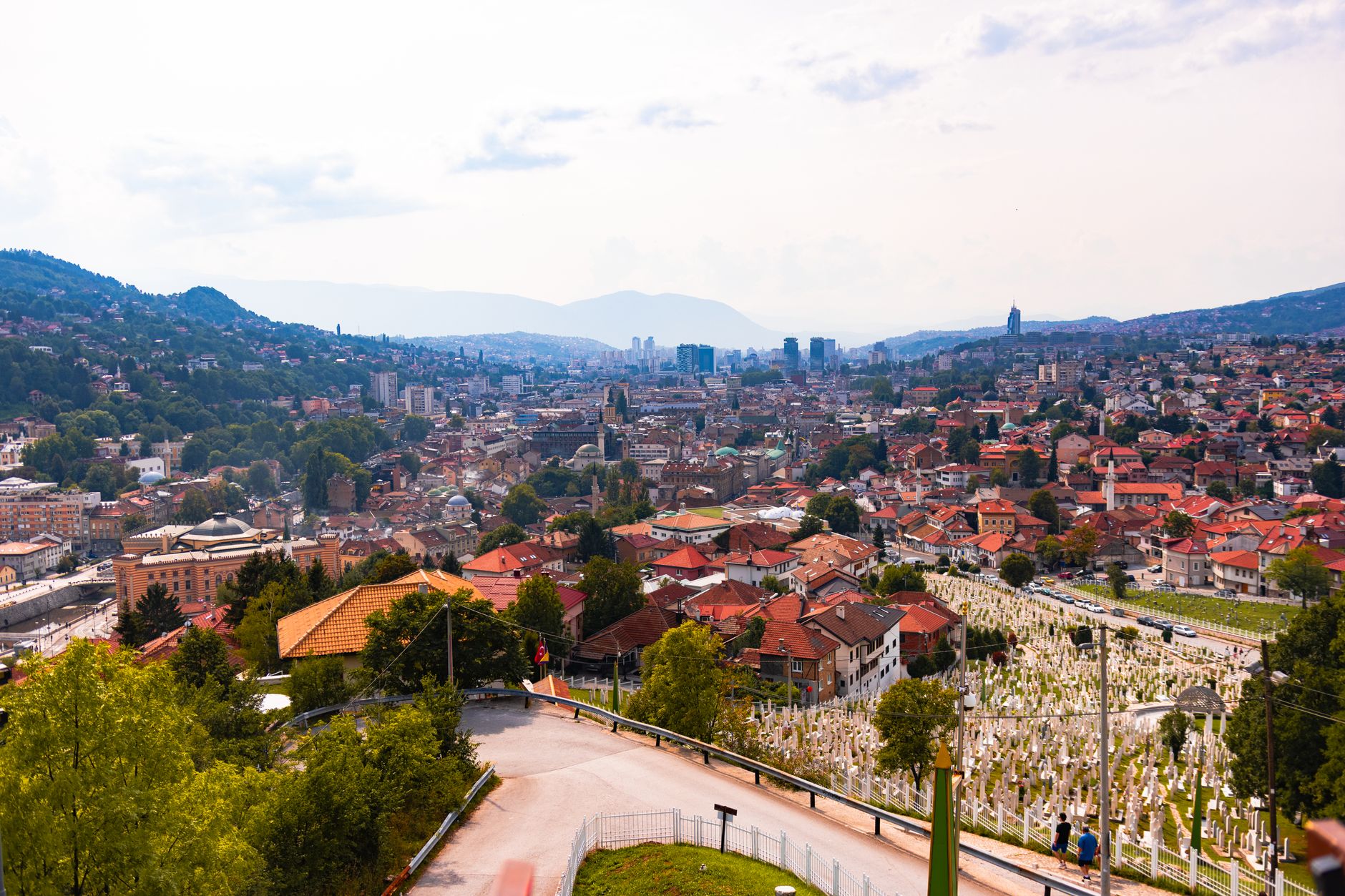
Forget everything you think you know. I ventured into Bosnia and Herzegovina expecting echoes of conflict, but instead discovered a vibrant tapestry of culture, breathtaking landscapes, and heartwarming resilience. This is the unexpected beauty that's captivating the travel world and becoming every influencer's next 'it' destination.
The email landed in my inbox like a challenge: "Tripsora wants you to explore a 'war-torn country' and find the beauty that's inspiring the next wave of travel influencers." My first thought? War-torn? Beauty? The two words felt like oil and water, an uncomfortable juxtaposition. My mind conjured images from documentaries and news reports – grey, somber, scarred. But as a travel blogger, my job is to peel back layers, challenge perceptions, and seek out the extraordinary. So, I booked a flight to Sarajevo, the capital of Bosnia and Herzegovina, with a mix of apprehension and fierce curiosity.
What I found wasn't just beauty; it was resilience. It wasn't just history; it was a vibrant, pulsing present. It wasn't just a destination; it was a profound lesson in humanity, a place so rich in spirit and visual splendor that it’s no wonder it’s rapidly becoming the darling of travel feeds everywhere. This isn’t a story about war, but about what blooms in its aftermath. This is about Bosnia.
### Sarajevo: Where East Meets West in a Coffee Cup
Stepping out of Sarajevo International Airport (SJJ) and into the crisp Balkan air, my initial apprehension began to dissipate. The city, nestled in a valley and surrounded by verdant mountains, immediately felt less daunting than I’d imagined. A short, affordable taxi ride (around 20-25 KM / €10-13) brought me to the heart of the city, and the true magic began.
Sarajevo is often called the "Jerusalem of Europe," and for good reason. Within a few blocks, you can find Catholic cathedrals, Orthodox churches, mosques, and synagogues standing side-by-side, their bells and calls to prayer weaving a unique urban symphony. My first stop was Baščaršija, the Ottoman-era Old Town. The moment I walked onto its cobblestone streets, I was transported. Coppersmiths hammered intricate designs in open-air workshops, the aroma of freshly ground Bosnian coffee mingled with sizzling ćevapi, and vendors hawked colorful carpets and souvenirs. It felt like stepping into a living museum, yet completely alive and buzzing.
I settled into a small, traditional coffee shop, Kahvedžinica Džirlo, for my first Bosnian coffee experience. This isn't just a drink; it's a ritual. Served in a small copper pot (džezva) with a tiny cup (fildžan), a sugar cube, and a piece of Turkish delight, it’s meant to be savored slowly, reflecting the city’s unhurried pace. As I sipped, observing the locals chatting animatedly, I realized this city carries its history with dignity, not despair. Bullet holes still scar some buildings, known as "Sarajevo Roses" – concrete scars filled with red resin, marking where mortar shells claimed lives – but they stand as poignant reminders, not dominant narratives.
Must-Dos in Sarajevo:
* Wander Baščaršija: Get lost in the alleys, buy a copper souvenir, and try some street food.
* War Tunnel Museum (Tunel spasa): A powerful, essential visit. This clandestine tunnel was built by Sarajevans during the siege to connect the besieged city with outside territory. It costs 10 KM (€5) to enter and offers a sobering yet inspiring insight into human resilience. Take a local bus or taxi; it's a bit outside the city center.
* Latin Bridge: The site of Archduke Franz Ferdinand's assassination, which triggered WWI. A small museum nearby explains the history.
* Yellow Fortress (Žuta Tabija): Hike up for panoramic sunset views over the city, especially during the call to prayer. It’s an Instagram moment waiting to happen!
* Food Tour: Consider a guided food tour to dive deep into Bosnian cuisine. I loved the one I took with Sarajevo Funky Tours (around €40-50).
Where I Stayed:
I opted for Hostel Franz Ferdinand (private room for €35/night), which had a fantastic location and a quirky, historical theme. For something more upscale, Hotel Europe (around €100-150/night) offers grandeur right in the city center.
### Mostar: The Iconic Bridge and Beyond
From Sarajevo, a scenic train ride (or bus) will take you south to Mostar. The train journey, especially the "Emerald Route" along the Neretva River, is breathtaking and highly recommended (around 12 KM / €6 one-way, 2.5-3 hours). Mostar is famous for one image that has graced countless travel magazines and, yes, influencer feeds: Stari Most, the Old Bridge.
And for good reason. This magnificent Ottoman bridge, rebuilt after being destroyed during the war, arches gracefully over the emerald-green Neretva River. Watching the local divers leap from its 24-meter height into the icy waters below is a heart-stopping spectacle (they collect donations before jumping, so have some small change ready!).
But Mostar is more than just its bridge. The Old Town, with its cobbled streets, vibrant bazaars (Kujundžiluk), and riverside restaurants, exudes an old-world charm. I spent hours simply strolling, admiring the intricate crafts, and sipping strong coffee by the river, gazing at the bridge from different angles. The blend of Ottoman and Austro-Hungarian architecture, the subtle call to prayer echoing from the mosques, and the cheerful chatter of locals create an atmosphere that’s both serene and lively.
Don't Miss in Mostar:
* Stari Most Dive Show: Witness the legendary Mostar divers.
* Kujundžiluk (Old Bazaar): Shop for local crafts, copperware, and souvenirs.
* Koski Mehmed Pasha Mosque: Climb its minaret (small fee, around 6 KM / €3) for unparalleled views of Stari Most.
* Blagaj Tekija: A short bus or taxi ride (around 20-30 KM / €10-15 for a taxi return) from Mostar, this Dervish monastery is stunningly set into a cliff face by the source of the Buna River. The serene atmosphere and crystal-clear waters are utterly captivating. Try the local trout at one of the riverside restaurants.
Budget Tip:
Mostar is very walkable, so save on transport once you’re there. Eat at local restaurants away from the immediate bridge area for better prices.
### Nature's Masterpiece: Kravica Waterfalls & Beyond
Just an hour's drive from Mostar (best by rental car or organized tour, around €30-50 per person for a tour), you'll find Kravica Waterfalls, a true natural wonder that often gets compared to a "mini Niagara." But unlike its North American counterpart, Kravica allows you to swim right into its refreshing, emerald-green waters.
I visited in late spring, and the waterfalls were roaring, cascading over tuff formations into a vast natural pool. The lush greenery surrounding the falls, the rustic wooden bridges, and the small cafes selling refreshments made it an idyllic escape. It's truly an Instagram dream, with countless nooks and angles for stunning photos. Pack your swimsuit, a towel, and prepare for a refreshing dip! The entrance fee is around 10-15 KM (€5-8), depending on the season.
Beyond Kravica, Bosnia and Herzegovina is a playground for outdoor enthusiasts:
* Hiking: The Dinaric Alps, including Mount Bjelašnica and Prenj, offer incredible hiking trails, from easy walks to challenging multi-day treks.
* Rafting: The Una River in the northwest (near Bihać) is renowned for its thrilling white-water rafting experiences.
* Skiing: In winter, the mountains around Sarajevo (Bjelašnica and Jahorina) transform into affordable ski resorts, remnants of the 1984 Winter Olympics.
The sheer diversity of landscapes – from ancient cities to pristine rivers and majestic mountains – is what truly sets Bosnia apart and makes it so appealing to travelers seeking adventure and natural beauty.
### A Feast for the Senses: Bosnian Hospitality & Cuisine
One of the most profound aspects of my journey was the warmth and generosity of the Bosnian people. Despite their past, there's an incredible resilience and openness that shines through. Language barriers often dissolved with smiles and gestures, and I frequently found myself invited for an impromptu coffee or offered local tips that went beyond any guidebook.
Bosnian cuisine is a delicious blend of Ottoman, Austro-Hungarian, and Mediterranean influences. It's hearty, flavorful, and incredibly comforting.
* Ćevapi: The undisputed national dish. Grilled minced meat sausages served in somun (flatbread) with onions and kajmak (a creamy dairy spread). A must-try! A generous portion costs around 5-7 KM (€2.5-3.5).
Burek: Flaky pastry filled with meat, cheese, spinach, or potatoes. Perfect for a quick, cheap, and satisfying meal. You'll find buregdžinicas* everywhere.
* Klepe: Bosnian dumplings, usually filled with meat and served with a yogurt-garlic sauce.
* Dolma: Stuffed vegetables (peppers, zucchini, cabbage leaves, or vine leaves) with minced meat and rice.
* Bosnian Coffee: As mentioned, it's an experience.
* Rakija: A strong fruit brandy, often offered as a welcome drink. Proceed with caution!
Eating is incredibly affordable. You can have a substantial, delicious meal for €5-10 at local restaurants, and even less at street food stalls. Don't be afraid to venture into smaller, less touristy eateries – that's where you'll find the most authentic flavors and often the friendliest faces.
### Practicalities & Responsible Travel: Your Bosnia Playbook
Ready to pack your bags? Here’s what you need to know to make your trip smooth and meaningful:
Safety First:
Bosnia and Herzegovina is generally a very safe country for tourists. Standard precautions apply, just like anywhere else. Petty crime is rare, and violent crime against tourists is almost unheard of. The main safety consideration, particularly if you venture off marked trails in rural areas, is unexploded ordnance (UXO) from the war. However, all major tourist areas, cities, and marked trails are completely safe. Stick to well-traveled paths, and you'll be fine.
Budget-Friendly Travel:
Bosnia is incredibly affordable compared to Western Europe.
* Accommodation: Hostels start from €10-15, guesthouses/private rooms from €25-40, and mid-range hotels from €50-80.
* Food: As mentioned, you can eat very well on a budget of €10-20 per day.
* Transport: Buses are the most common and efficient way to travel between cities (e.g., Sarajevo to Mostar ~€10-15). Trains are scenic but less frequent.
* Currency: Convertible Mark (BAM). Roughly 1 EUR = 1.95 BAM. Euros are often accepted in tourist areas, but it's good to have BAM for smaller purchases. ATMs are widely available.
Getting There:
* Flights: Sarajevo International Airport (SJJ) is the main hub, with connections across Europe. Mostar (OMO) and Tuzla (TZL) also have smaller international airports.
* Buses: Excellent connections from neighboring countries like Croatia (Dubrovnik, Split, Zagreb) and Serbia (Belgrade).
Getting Around:
* Intercity: Buses are your best friend. They are frequent, reliable, and cheap.
* Within Cities: Cities like Sarajevo and Mostar are very walkable. Taxis are affordable.
* Rental Car: Useful for exploring more rural areas like Kravica Waterfalls or venturing into the mountains. Roads are generally good, but mountain roads can be winding.
Best Time to Visit:
* Spring (April-May) and Autumn (September-October): My personal favorite. Mild weather, fewer crowds, and stunning natural colors. Perfect for city exploration and hiking.
* Summer (June-August): Warm and sunny, ideal for swimming at Kravica and enjoying outdoor cafes. Can be hot and more crowded, especially in Mostar.
* Winter (December-March): Offers skiing opportunities in the mountains and a magical, snow-covered atmosphere in the cities.
Language:
The official languages are Bosnian, Croatian, and Serbian (mutually intelligible). English is widely spoken in tourist areas, especially by younger generations. Learning a few basic phrases like Dobar dan (Good day), Hvala (Thank you), and Molim (Please/You're welcome) will go a long way.
Cultural Sensitivity:
This is paramount. Acknowledge the country's past respectfully, but focus on its present and future. Engage with locals, learn about their culture, and avoid overly dwelling on the war unless a local brings it up. Dress modestly when visiting religious sites.
### The 'Influencer' Effect & Why You Should Go NOW
So, why is Bosnia and Herzegovina suddenly popping up on everyone’s travel radar, from backpackers to luxury travelers, and yes, even on the feeds of prominent travel influencers? It's simple: authenticity, affordability, and unparalleled beauty.
In a world increasingly saturated with "discovered" destinations, Bosnia still feels like a genuine revelation. Its charm isn't manufactured; it's woven into the fabric of its cities, its landscapes, and its people. You can capture that iconic shot of Stari Most, swim in the emerald pools of Kravica, or get lost in the bustling alleys of Baščaršija, knowing that you're experiencing something truly unique and relatively untouched by mass tourism.
But that won't last forever. As the word spreads and more people seek out destinations that offer depth, history, and natural splendor without breaking the bank, Bosnia's profile will continue to rise. This is your chance to experience its captivating magic before it becomes the next major tourist hotspot. You'll not only discover incredible beauty but also gain a profound appreciation for a nation that has overcome adversity with grace and an unwavering spirit.
### Conclusion: A Journey That Transforms
My journey to Bosnia and Herzegovina was more than just a trip; it was a revelation. It shattered my preconceived notions and replaced them with vibrant memories of resilient cities, breathtaking natural wonders, and the most genuinely hospitable people I've ever met. It's a country that whispers tales of the past but lives vibrantly in the present, constantly rebuilding, remembering, and reaching forward.
This isn’t just a place to visit; it’s a place to feel. To understand. To be inspired by. So, challenge your own perceptions. Step off the beaten path and into the heart of the Balkans. Discover the profound beauty that lies not just in its landscapes but in its very soul.
Stop scrolling and start planning. Bosnia and Herzegovina is waiting to surprise, inspire, and utterly captivate you. Have you been? Share your stories below! If not, what's holding you back?
---
Visual journey


Tags
Share this adventure
Join the travel community
New adventures, cultural insights and travel inspiration, straight to your inbox.
We may receive a commission if you click on a link and buy a product, service or policy, at no extra cost to you. How affiliate links work.
Been there?