

My search for an authentic connection to the places I visited led me down an unexpected path: foraging for my own ingredients. What started as a curious experiment culminated in a five-star meal that didn't just tantalize my taste buds but fundamentally transformed how I perceive and experience travel. Get ready to rethink your plate and your next adventure! ---
## I Foraged My Own Ingredients for a 5-Star Meal That Transformed How I Travel
The rain was a soft whisper against the ancient cedars, and the air, thick with the scent of damp earth and pine, tasted alive. My boots sank slightly into the mossy forest floor, a basket swinging lightly in my hand. Suddenly, my guide, a woman with eyes that sparkled with the wisdom of the wild, knelt. "Here," she whispered, "the golden chanterelles are starting to peek." My heart hammered. This wasn't a Michelin-starred restaurant, nor was I browsing a gourmet market. I was deep in the Olympic National Forest, miles from the nearest town, and I was on a mission: to forage every ingredient for a five-star meal.
For years, my travel philosophy had been fairly straightforward: see the sights, eat the local food (usually at highly-rated spots), take the photos, move on. I collected passport stamps and pretty pictures, but lately, something felt… missing. A disconnect. I’d eat incredible dishes, but they often felt like a performance, a curated experience. I craved something deeper, something that truly connected me to the land, its history, and its people. Little did I know, that craving would lead me to a muddy forest floor, a basket full of wild treasures, and a culinary revelation that would transform every trip I took thereafter.
### The Spark: Craving Connection Beyond the Tourist Trail
My "aha!" moment didn't come in a flash, but rather simmered over several trips. I remember sitting in a beautiful cafe in Rome, savoring a pasta dish, yet feeling a strange detachment. I knew the ingredients were Italian, but where exactly had they come from? Who had picked the tomatoes, milled the flour? The globalized food system, while convenient, had created a veil between me and my plate.
I started seeking out farmers' markets, not just for souvenirs, but to talk to the vendors, to understand the seasonality, the effort. I read books about sustainable living and wild edibles. The idea of foraging, once something I associated with survivalists or ancient cultures, began to intrigue me. Could I, a city-dweller who once struggled to keep a houseplant alive, actually find edible treasures in the wild? More importantly, could these wild ingredients truly elevate a meal to something extraordinary, something beyond what I could buy?
The Pacific Northwest, with its incredible biodiversity and a thriving culture of outdoor adventure, seemed like the perfect place to test this theory. I booked a trip to Washington State, not just for the iconic mountains and coastlines, but with a new, audacious goal: to craft a five-star meal using only ingredients I’d gathered myself.
### My First Foray: A Guide's Wisdom (and My Muddy Boots)
I knew this wasn't something to attempt on a whim. Foraging without expert knowledge is dangerous – a delicious mushroom can look identical to a deadly one. So, my first step was to find a seasoned foraging guide. After some research, I connected with Sarah, a local botanist and wild food enthusiast who led small group tours into the Olympic Peninsula. Her half-day "Wild Edibles & Coastal Treasures" workshop cost me $150, and it was the best investment I’ve ever made in my travels.
We met at a trailhead near Olympic National Park, the air crisp and damp. Sarah, with her weather-beaten hat and infectious enthusiasm, immediately put me at ease. She started with the golden rule: "When in doubt, throw it out. And never, ever eat anything you haven't positively identified with at least three different reliable sources." Her words were a sobering reminder of the stakes, but her passion was intoxicating.
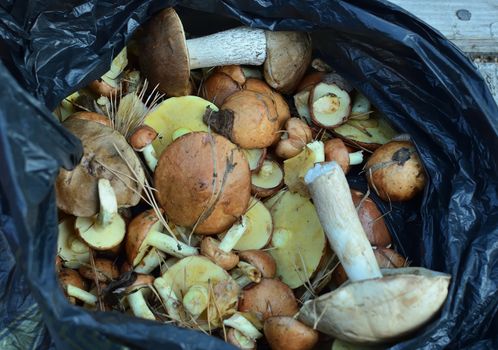
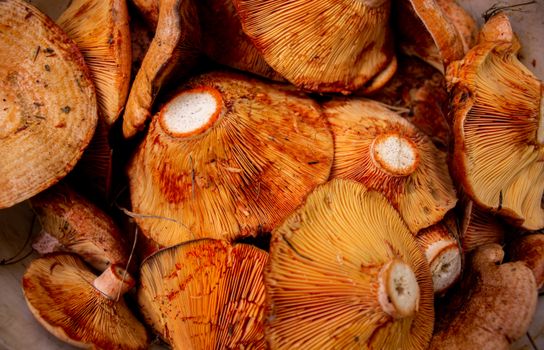
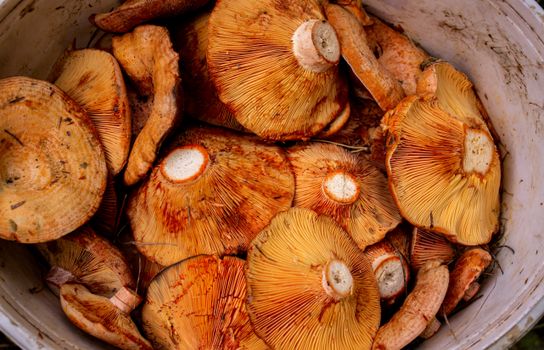
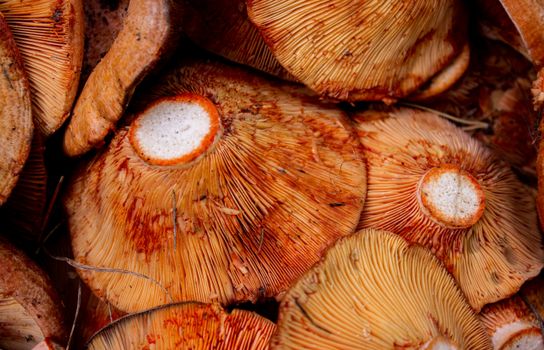
Our journey began in a dense forest. Sarah pointed out the difference between edible and poisonous look-alikes, the sustainable way to harvest (never take more than 10-20% from a patch), and the crucial role each plant played in the ecosystem. We found a small patch of golden chanterelles (my first successful mushroom identification!), their delicate, trumpet-like shapes a vibrant orange against the dark earth. We also gathered stinging nettles, their leaves requiring gloves but promising a nutrient-rich addition to our meal. Further along, we identified miner's lettuce, a delicate green with a mild flavor, and a few hardy wild huckleberries clinging to bushes.
After the forest, we headed to a secluded stretch of coastline. The tide was out, revealing a treasure trove of sea beans (also known as glasswort), their succulent, salty crunch a revelation. Sarah also showed me how to safely and sustainably dig for Pacific littleneck clams in the sand, advising me on local regulations and catch limits. The exhilaration of finding these ingredients, of truly hunting for my food, was unlike any shopping trip I'd ever experienced. My hands were muddy, my boots soaked, but my basket was filling, and my spirit was soaring.
It wasn't without its challenges. I almost mistook a harmless, but bitter, fern for an edible one (Sarah gently corrected me). I got tangled in thorny berry bushes. But every mistake was a lesson, every find a triumph. By the time we finished, I had a respectable haul: a handful of chanterelles, a bag of nettles, a small cluster of miner's lettuce, a pint of huckleberries, a generous amount of sea beans, and a bucket of fresh clams. The raw ingredients, in their unadulterated glory, felt more precious than any gourmet item I’d ever purchased.
### From Wild Earth to Gourmet Plate: The 5-Star Creation
Back at my rustic cabin rental near Forks (a simple, comfortable place with a basic kitchen, about $120/night on Airbnb), the real magic began. The "five-star" element wasn't about elaborate techniques or expensive equipment; it was about the unparalleled freshness, the unique flavors, and the incredible story behind each ingredient.
My menu began to take shape:
* Appetizer: Pan-Seared Foraged Clams with Sea Bean Gremolata. I gently steamed the littleneck clams with a splash of white wine until they opened, then quickly pan-seared them with a little butter and garlic. For the gremolata, I finely chopped the sea beans with lemon zest and a hint of wild garlic (which Sarah had given me from her garden, as it wasn't abundant in the wild that day). The briny clams, the crisp, salty sea beans, and the bright lemon were an explosion of oceanic freshness.
* Main Course: Wild Nettle & Chanterelle Risotto with Toasted Pine Nuts. I blanched the stinging nettles (rendering them harmless) and puréed them into a vibrant green paste. The chanterelles were sautéed until golden and fragrant. Using arborio rice, a good quality vegetable broth, and a splash of local white wine, I slowly cooked the risotto, stirring in the nettle purée and the sautéed mushrooms at the end. A sprinkle of toasted pine nuts added a satisfying crunch. The risotto was earthy, creamy, and deeply flavorful – a true taste of the forest.
* Dessert: Wild Huckleberry & Miner's Lettuce Salad with Maple-Balsamic Glaze. For a light, refreshing dessert, I tossed the delicate miner's lettuce with the sweet-tart huckleberries. I made a simple glaze from local maple syrup and a good quality balsamic vinegar, drizzling it over the top. The unexpected combination of the peppery greens and the sweet berries, elevated by the glaze, was surprisingly sophisticated and cleansing.
The cooking process itself was meditative. Each chop, each stir, was infused with the memory of finding the ingredient. There was a profound sense of gratitude and connection. When I finally sat down to eat, the last rays of sunlight streaming through the cabin window, the meal was unlike anything I'd ever tasted. The flavors were so vibrant, so pure, so real. The earthy notes of the mushrooms, the briny sweetness of the clams, the subtle bitterness of the nettles, the bright pop of the huckleberries – each ingredient sang its own song, harmonizing into a symphony of taste. This wasn't just a meal; it was a narrative, a culmination of effort, respect, and discovery. It was, without a doubt, a five-star experience that no fancy restaurant could replicate.
### The Transformation: How One Meal Changed Everything
That single, foraged meal was a seismic shift in my travel philosophy. It wasn't just about the food, though that was spectacular. It was about the journey, the learning, the connection.
1. Deeper Connection to Place: I no longer just saw the Olympic Peninsula; I tasted it, felt it, understood its rhythms. I learned about its ecosystems, its seasonality, its hidden edible treasures. Every landscape became a potential pantry, every forest a garden.
2. Mindful Eating: Each bite was savored, each flavor appreciated. Knowing the story behind every ingredient, the effort involved in finding it, instilled a profound sense of gratitude and presence. Food became an experience, not just sustenance.
3. Sustainable & Ethical Travel: Foraging, when done responsibly, is the epitome of sustainable eating. It reduces food miles, connects you directly to nature, and encourages respect for the environment. It also made me more conscious of supporting local producers and understanding the provenance of my food, even when not foraging.
4. A New Lens for Exploration: My travel itineraries began to change. Instead of just seeking out popular landmarks, I started looking for local markets, farm-to-table restaurants, and, of course, foraging tours. I sought out experiences that allowed me to interact with the land and its people on a more intimate level. In Italy, I went truffle hunting. In Japan, I learned about sansai (wild mountain vegetables). Every trip became an adventure in culinary discovery.
5. Empowerment and Confidence: There's an incredible sense of accomplishment in providing for yourself, even in a small way. It fostered a new confidence in my ability to connect with nature and to learn new skills.
This meal wasn't just delicious; it was a revelation. It taught me that the most luxurious experiences aren't always found in gilded halls, but often, on a muddy path, under a canopy of ancient trees.
### Your Turn to Forage: Practical Tips for Aspiring Wild Eaters
Inspired to embark on your own foraging adventure? Here are my top tips to get started safely and responsibly:
1. Safety First! Get a Guide: This is non-negotiable. Never eat anything you haven't positively identified with an expert. Many delicious wild edibles have poisonous look-alikes. Invest in a local foraging guide or join a reputable workshop. Expect to pay anywhere from $75-$200 for a half-day tour, depending on location and group size.
2. Start Local, Start Small: You don't need to travel to a remote wilderness. Many edible plants can be found in urban parks (away from pollution), along country roads, or even in your own backyard! Start with easily identifiable plants like dandelions, wild garlic, or common berries.
3. Invest in Knowledge:
* Field Guides: Buy a good quality, region-specific field guide for edible plants and mushrooms. Look for ones with clear photos and detailed descriptions of both edible and poisonous varieties.
* Apps (with Caution): Plant identification apps can be helpful, but they are not foolproof. Always cross-reference with a guide and an expert.
* Workshops & Books: Seek out local foraging workshops or online courses. Read books by reputable wild food experts.
4. Ethical Foraging is Key:
* "Take only what you need, leave the rest." Never over-harvest a patch. A good rule of thumb is to take no more than 10-20% of what's available.
* Respect Private Property: Always get permission before foraging on private land.
* Know Local Regulations: National parks, state forests, and even city parks often have specific rules about foraging. Some require permits, others prohibit it entirely. Do your research!
* Leave No Trace: Don't disturb the environment. Pack out everything you pack in.
5. Simple Cooking is Best: Wild ingredients often have incredibly vibrant, unique flavors. Don't overcomplicate your recipes. Let the natural tastes shine. A simple sauté, a raw salad, or a light infusion is often all you need.
6. Pack the Essentials: A good basket or cloth bag (for breathability), a small knife or scissors, gloves (for thorny or stinging plants like nettles), and bug spray are invaluable.
7. Embrace the Journey: Foraging isn't just about the harvest; it's about connecting with nature, learning, and slowing down. Enjoy the process, the fresh air, and the thrill of discovery.
### Beyond the Plate: The Ripple Effect on My Travels
The influence of that single foraging trip extended far beyond the Olympic Peninsula. It became a new compass for my travels, guiding me towards more immersive and authentic experiences.
On a subsequent trip to Tuscany, instead of just visiting vineyards, I sought out a local family farm that offered a "farm-to-table" experience – literally, we helped harvest vegetables from their garden before cooking them together. In Japan, I found myself drawn to local markets, not just for the beautiful produce, but to observe the seasonal rhythm of their culinary traditions and to understand the specific regions known for particular delicacies. My trips to coastal towns now always include a visit to the local fishmonger, eager to learn about the day's catch and the waters it came from.
I've learned that the most memorable travel experiences aren't always the grandest or the most expensive, but often the ones that engage all your senses, challenge you, and connect you deeply to the essence of a place. Foraging taught me that travel isn't just about seeing new places; it's about experiencing them with all your senses, and sometimes, that means getting your hands a little dirty and truly tasting the wild.
---
This journey, from curious traveler to wild food enthusiast, has made my adventures richer, more meaningful, and infinitely more delicious. It’s a reminder that the world is full of hidden treasures, and sometimes, all it takes is a willingness to look a little closer, listen a little more intently, and perhaps, get a little muddy.
Have you ever foraged? What's your most transformative travel meal or experience? Share your stories and tips in the comments below! And don't forget to share this post with your adventure-loving, food-obsessed friends!
---
Visual journey

Tags
Share this adventure
Join the travel community
New adventures, cultural insights and travel inspiration, straight to your inbox.
We may receive a commission if you click on a link and buy a product, service or policy, at no extra cost to you. How affiliate links work.
Other angles on this trip
These notes are written by AI to show how different kinds of traveller might see this destination. They are not comments from real readers.