

Ever wondered if you could truly conquer a city's legendary food scene in just one day? I put my stomach to the ultimate test in Penang, Malaysia, a city renowned as Asia's food capital, and discovered a symphony of flavors that will inspire your next culinary adventure. Get ready to drool and book your tickets! ---
## Penang Food Frenzy: How I Devoured Asia's Food Capital in One Day
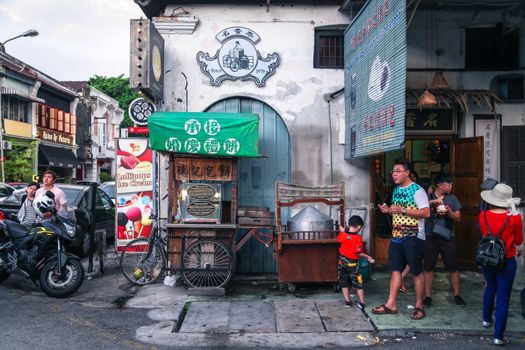
The moment my flight touched down at Penang International Airport, a single thought consumed me: food. Not just any food, but the legendary street food of Penang, Malaysia – a city that consistently tops lists as one of Asia's, if not the world's, best food destinations. My mission? To experience as much of its culinary magic as humanly possible, all within the confines of a single, glorious day.
I know, I know. "One day? Impossible!" many declared. But sometimes, when travel schedules are tight, or you're just passing through, you have to seize the moment with both hands and an empty stomach. I was determined to prove it could be done, to taste the kaleidoscope of Malay, Chinese, Indian, and Nyonya influences that make Penang's food scene so utterly unique. What followed was a whirlwind 24 hours of pure gastronomic bliss, a sensory overload I wouldn't trade for anything. Strap in, fellow foodies, because this is how I conquered Penang's food scene in one unforgettable day, and how you can too!
### The Sunrise Siren Call: Breakfast Bliss at a Kopitiam (8:00 AM)
My alarm clock didn't stand a chance. I was up before the sun, propelled by the sheer anticipation of my first Penang breakfast. The air in Georgetown, Penang's historic capital, was already thick with the promise of spices and sizzling woks. My first stop? A bustling local kopitiam (coffee shop), a true institution in Malaysian culture, where locals gather for their morning fix.
I headed straight for Transfer Road Roti Canai (Jalan Transfer), a legendary spot that often has queues snaking down the street – and for good reason. The magic here happens at a simple roadside stall, where skilled chefs flip and stretch dough with mesmerizing speed. I ordered the classic: a fluffy, crispy Roti Canai served with a trio of curries – a rich chicken curry, a spicy fish curry, and a comforting dahl. The roti was ethereal, perfectly flaky on the outside, soft on the inside, and soaked up the fragrant curries like a dream.
Alongside, I sipped on a strong Kopi O (black coffee with sugar), its robust bitterness cutting through the richness of the curry. The total damage? A mere RM 5-7 (approx. $1.20-$1.70 USD) for a hearty, authentic breakfast. It was more than just a meal; it was an immersion. Observing the locals chat, reading newspapers, and starting their day cemented my belief that food is the ultimate gateway to understanding a culture.
* Tripsora Tip: Don't be shy! Share a table with locals if it's busy. It's part of the experience. And remember to ask for "kurang manis" (less sweet) if you prefer your coffee or tea less sugary.
### Mid-Morning Munchies & Market Magic: A Culinary Detour (10:30 AM)
With breakfast a delicious memory, I decided to take a leisurely stroll through Georgetown's charming streets, soaking in the colonial architecture and vibrant street art. But my stomach, ever the demanding travel companion, soon started rumbling for a second breakfast, or perhaps, a pre-lunch snack.
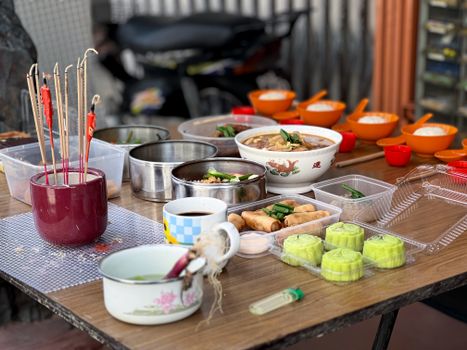
My destination was Chowrasta Market (Jalan Chowrasta), a chaotic yet captivating wet market bursting with fresh produce, spices, and an array of local snacks. This is where you find the heart of Penang's daily life. I navigated through stalls piled high with exotic fruits and fragrant spices, letting my nose guide me to a small stall selling Nyonya Kuih. These colorful, bite-sized cakes and pastries are a testament to the Peranakan (Straits Chinese) heritage, a fusion of Chinese and Malay culinary traditions.
I picked up a few pieces of Kuih Lapis (layered cake) and Pulut Tai Tai (blue glutinous rice with kaya jam). Each bite was a burst of delicate sweetness and unique textures – coconut, pandan, gula melaka (palm sugar). It’s a fantastic way to sample multiple flavors without committing to a full meal, perfect for a one-day food challenge. Expect to pay RM 1-3 per piece ($0.25-$0.75 USD).
* Cultural Insight: Nyonya cuisine is one of Penang's culinary jewels, known for its intricate flavors and vibrant colors. Don't leave without trying some!
* Safety Tip: When buying street food or market snacks, look for stalls with a high turnover of customers – it generally indicates freshness and popularity.
### The Main Event: Lunchtime Legends at Kimberley Street (1:00 PM)
This was it. The moment I had been anticipating most. Penang's hawker centers are legendary, and for lunch, I chose Kimberley Street Food Court (Jalan Kimberley), a bustling enclave that truly comes alive during the day. This isn't just a place to eat; it's a symphony of sights, sounds, and smells. Woks clanging, steam rising, the chatter of excited diners – it’s an assault on the senses in the best possible way.
My first mission: Assam Laksa. This iconic Penang dish is a sour, spicy, fish-based noodle soup that is utterly addictive. I found a stall with a long queue (always a good sign!) and ordered a bowl. The broth, infused with tamarind (assam), lemongrass, and galangal, was rich and complex, teeming with shredded fish, thick rice noodles, pineapple, cucumber, mint, and a dollop of pungent shrimp paste. The first spoonful was a revelation – a perfect balance of sour, spicy, and savory that made my taste buds sing. It costs around RM 6-8 ($1.50-$2.00 USD).
Next up, the king of Penang street food: Char Koay Teow. This stir-fried flat rice noodle dish is deceptively simple but incredibly difficult to master. I watched in awe as the chef, wielding a giant wok over a roaring flame, wok-fried the noodles with shrimp, cockles, bean sprouts, chives, and egg, all coated in a savory dark soy sauce. The result was a smoky, slightly charred, intensely flavorful plate of noodles – pure comfort food perfection. A plate usually costs RM 8-10 ($2.00-$2.50 USD).
* Personal Anecdote: My eyes widened with each spoonful of Assam Laksa. It wasn't just food; it was an experience. The heat, the tang, the freshness – it was everything I'd imagined and more. I understood then why people travel halfway across the world for this dish.
* Budget Tip: Eating at hawker centers is incredibly affordable. You can easily have a multi-dish meal for under $5 USD.
* How to Order: Find an empty table, note the table number, go to the stalls you want to order from, tell them your table number, and they'll bring the food to you. Pay when the food arrives.
### Afternoon Delights: Sweetness & Siestas (3:30 PM)
After the intensity of lunch, a slight food coma began to set in. It was the perfect time for something sweet and refreshing. There's only one place to go for this in Penang: Penang Road Famous Teochew Chendul (Lebuh Keng Kwee). This legendary stall has been serving its icy dessert for generations, and the queue, even in the scorching afternoon heat, is a testament to its fame.
Chendul
(or Cendol) is a quintessential Southeast Asian dessert, and Penang's version is arguably the best. It's a vibrant concoction of shaved ice, pandan-flavored green jelly noodles, sweet red beans, and lashings of rich coconut milk and sticky gula melaka (palm sugar syrup). The cool, creamy sweetness was the perfect antidote to the tropical humidity and a delightful palate cleanser after the spicy lunch. A bowl will set you back about RM 4-6 ($1.00-$1.50 USD).
Post-chendul, I wandered through Armenian Street, admiring the famous street art murals by Ernest Zacharevic and other local artists. This gentle exploration, punctuated by occasional sips of fresh coconut water from a street vendor (RM 5/ $1.20 USD), was a lovely way to digest and prepare for the evening's culinary escapades.
* Getting Around: Georgetown is highly walkable, especially the heritage zone. For slightly longer distances, Grab (Southeast Asia's version of Uber/Lyft) is readily available and very affordable. You could also try a traditional trishaw for a unique experience (negotiate price beforehand, usually RM 30-50 for a short ride).
### Sunset Sips & Dinner Feasts: Hawker Heaven Reimagined (7:00 PM)
As the sun began to dip, painting the sky in hues of orange and purple, Penang transformed. The heat mellowed, and the city hummed with a renewed energy. For dinner, I wanted a slightly different hawker experience, one with a more expansive feel. I headed to Gurney Drive Hawker Centre, a sprawling outdoor food court right by the sea.
Gurney Drive offers an overwhelming array of choices, a true feast for the eyes before it even hits your plate. I decided to dive into some more classics, starting with Hokkien Mee, Penang's famous prawn noodles. This fiery bowl of yellow noodles and vermicelli in a rich, spicy prawn broth, topped with prawns, slices of pork, and a hard-boiled egg, was incredibly satisfying. The depth of flavor from the prawn heads simmered in the broth was phenomenal.
Next, I couldn't resist the allure of Satay – skewers of marinated chicken and beef grilled over charcoal, served with a rich, peanut dipping sauce and fresh cucumber and onion. The smoky char on the meat, combined with the creamy, slightly spicy peanut sauce, was heavenly. I also indulged in an Oyster Omelette (Oh Chien), a crispy, starchy omelette studded with plump, briny oysters. Each dish was a testament to the diverse culinary tapestry of Penang, costing between RM 8-15 ($2.00-$3.70 USD) per serving.
* Best Time to Visit: Hawker centers like Gurney Drive truly come alive in the evenings. The cooler temperatures and vibrant atmosphere make for an unforgettable dining experience.
* Cultural Insight: The sheer variety of food in Penang reflects its multicultural heritage, with Chinese, Malay, and Indian communities each contributing their unique flavors and dishes to the city's culinary landscape.
* Safety Tip: While Penang is generally safe, always be aware of your surroundings, especially in crowded areas like hawker centers. Keep an eye on your belongings.
### Beyond the Plate: Practical Tips for Your Penang Food Journey
Embarking on a one-day food quest in Penang might seem daunting, but with a little planning and a lot of enthusiasm, it's incredibly rewarding. Here are my top tips to make your gastronomic adventure a success:
1. Hydrate, Hydrate, Hydrate! Penang is hot and humid. Drink plenty of water throughout the day. Fresh coconut water is readily available and wonderfully refreshing.
2. Come Hungry, Stay Hungry: Pace yourself. Order smaller portions if possible, or share dishes with travel companions to try more variety.
3. Be Adventurous: Don't stick to what you know. Penang's magic lies in its unique fusion flavors. Try something new! Ask locals for recommendations – they're usually delighted to share their favorites.
4. Embrace the Hawker Culture: Don't expect white tablecloths. Eating street food is an authentic, immersive experience. Hygiene standards are generally good, but trust your gut – if a stall looks dirty, move on.
5. Cash is King (or Queen): While some larger establishments might accept cards, most hawker stalls and smaller eateries are cash-only. Have plenty of small denominations.
6. Getting Around:
* From the Airport: The Rapid Penang bus (Route 401E) is a budget-friendly option to Georgetown (approx. RM 2.70, 45-60 min). Taxis and Grab are also available (approx. RM 40-50).
* In Georgetown: Walking is the best way to explore the heritage zone. For longer distances, Grab is your best friend – efficient and affordable. Trishaws offer a charming, though slower, way to see the sights.
7. Best Time to Visit: Penang is a year-round destination. The dry season (December to February) offers slightly cooler temperatures, but the food scene is vibrant regardless. Weekends can be busier at hawker centers.
8. Accommodation: From budget hostels in the heritage zone (e.g., The 80s Guesthouse) to boutique hotels (e.g., Cheong Fatt Tze - The Blue Mansion) and larger chains, Penang offers options for every budget. Staying in Georgetown puts you right in the heart of the action.
9. Capture the Moments: Penang is incredibly photogenic, especially its food! Get those Instagram-worthy shots, but remember to savor the moment before reaching for your phone. Use hashtags like #PenangFood #StreetFoodPenang #FoodieAdventure.
### The Last Bite: A Satisfied Soul (10:00 PM)
As the day drew to a close, my stomach was content, my senses were overloaded, and my heart was full. I had done it. I had tasted the very essence of Penang in a single, exhilarating day. From the crispy Roti Canai that kicked off my morning to the fiery Hokkien Mee that capped off my evening, every dish was a story, every bite a journey through centuries of culinary heritage.
Penang isn't just a city; it's a living, breathing menu. Its food scene is a testament to cultural harmony, a place where diverse traditions blend seamlessly to create something truly extraordinary. You'll leave with a happy belly, a camera roll full of vibrant memories, and an insatiable desire to return.
So, what are you waiting for? Forget the diet, pack an extra pair of stretchy pants, and book that ticket. Penang is calling, and trust me, you won't want to miss a single delicious moment. Your ultimate food adventure awaits!
What's your favorite Penang dish? Share your must-try recommendations in the comments below!
---
Visual journey


Tags
Share this adventure
Join the travel community
New adventures, cultural insights and travel inspiration, straight to your inbox.
We may receive a commission if you click on a link and buy a product, service or policy, at no extra cost to you. How affiliate links work.
Been there?