
Forget what you think you know about tropical getaways. I just returned from an adventure that completely defied expectations, proving that true winter magic isn't confined to frost-kissed European villages. Prepare to be amazed as I share how I stumbled upon crisp mountain air, cozy firesides, and even "snow" in the most unlikely of sun-drenched places, inspiring you to redefine your next winter escape. ---
"Tropical winter" – the words themselves sound like an oxymoron, a whimsical paradox conjured by a daydreamer. For years, my travel narrative revolved around sun-drenched beaches, humid rainforests, and the relentless pursuit of warmth. The idea of bundling up in a sweater, sipping hot chocolate by a crackling fire, or even seeing a hint of frost in a country synonymous with year-round summer felt utterly alien. Yet, a whisper of a rumor, a fleeting Instagram post, ignited a spark of curiosity: could I truly experience winter magic in a tropical country? Could I trade my flip-flops for boots without leaving the equator?
That burning question led me down an unexpected rabbit hole, far from the pristine shores I usually frequented. It led me to the Philippines, a nation of over 7,000 islands, famed for its sapphire waters and vibrant marine life. But I wasn't headed for Boracay or Palawan. My destination was the towering Cordillera Central mountain range in Luzon, a region whose very existence challenges the conventional tropical narrative. My mission: to discover if the "summer capital" could truly deliver a taste of winter, and what an unforgettable journey it turned out to be!
### The Myth of Perpetual Summer: My Quest for Tropical Chill
Like many, my perception of the tropics was a flat, one-dimensional postcard of endless sunshine. But the Earth is a magnificent, complex sphere, and even within the equatorial belt, altitude plays a crucial, transformative role. As you ascend, temperatures drop, and ecosystems shift dramatically. This simple geographical truth was the key to unlocking my tropical winter adventure.
My research pointed me towards the Cordillera Administrative Region in the northern part of Luzon. Here, nestled among peaks that scrape the sky, are towns and cities renowned for their cool climate. The most famous among them is Baguio City, often dubbed the "Summer Capital of the Philippines." But could a "summer capital" truly offer a winter experience? My skepticism was palpable, yet my wanderlust was stronger. I packed a light jacket, a few sweaters, and a scarf – items that usually gather dust in my tropical-centric travel wardrobe – and boarded a bus from Manila. The journey itself, winding through increasingly green and mountainous landscapes, was the first hint that I was embarking on something truly different. The air grew perceptibly cooler with every kilometer, and by the time I stepped off the bus in Baguio, a refreshing, almost crisp breeze greeted me. I knew, then, that I was onto something special.
### Baguio: The "Summer Capital" with a Winter Soul
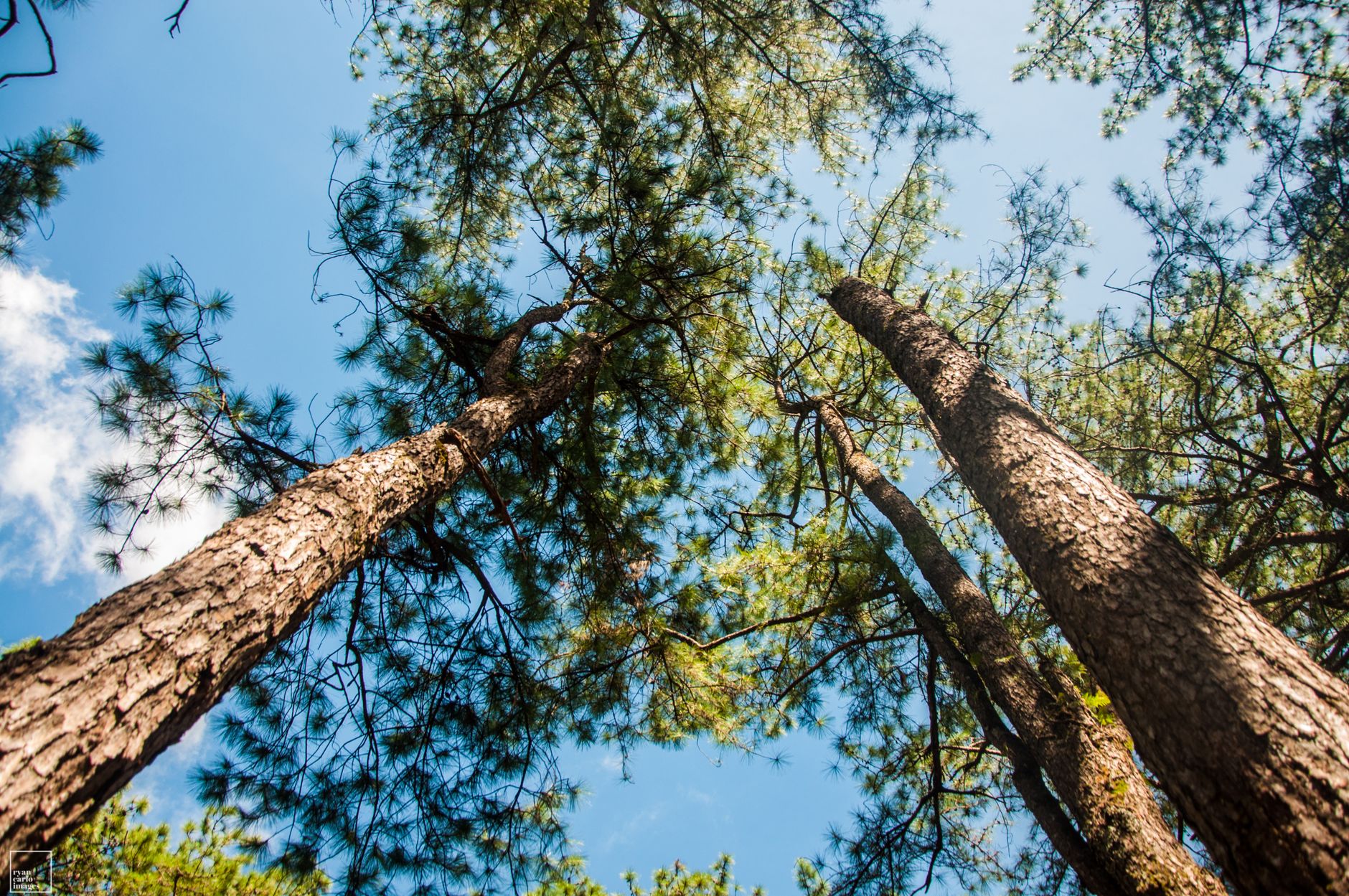
Baguio City immediately captivated me with its unique charm. Unlike the bustling, humid cities of the lowlands, Baguio felt like a breath of fresh air – literally. Pine trees, tall and stately, lined the streets, their scent mingling with the crisp mountain air. The average temperature here hovers around 19-20°C (66-68°F) during the day, dropping to a cool 10-12°C (50-54°F) at night, especially from November to February. It might not be "snow-level" cold, but for a tropical country, it's a significant dip that justifies sweaters, jackets, and even a beanie.
My first morning in Baguio began with a visit to Burnham Park, the city's green heart. Locals jogged, families pedaled boats on the man-made lake, and street vendors sold their wares. The crisp morning air, though not biting, was invigorating, a stark contrast to Manila's perpetual warmth. I rented a bicycle for a mere ₱50 (approx. $0.90 USD) an hour, cycling past flower beds and enjoying the cool breeze.
One of my favorite discoveries was Baguio's thriving ukay-ukay (thrift store) scene. Due to the cooler climate, there's a fantastic selection of pre-loved winter wear – jackets, scarves, gloves – often imported from Korea or Japan, available at incredibly low prices. I snagged a stylish, surprisingly warm fleece jacket for just ₱200 (approx. $3.50 USD), which became my trusty companion for the rest of the trip. This is a brilliant budget tip for anyone wanting to embrace the cold without overpacking!
Food in Baguio is an experience in itself. The city is famous for its strawberries. I indulged in strawberry taho (silken tofu with brown sugar syrup and fresh strawberries) from a street vendor for ₱50, a warm, comforting treat. Local coffee shops abound, serving rich, aromatic brews perfect for warding off the morning chill. I found myself drawn to a cozy cafe near Session Road, savoring a hot cup of Benguet coffee and watching the mist roll in over the mountains – a truly Instagram-worthy moment.
Practical Tip for Baguio:
* How to Get There: From Manila, take a comfortable 4-6 hour bus ride. Victory Liner and Genesis Transport are popular choices, with fares ranging from ₱500-₱800 (approx. $9-14 USD). Book in advance, especially on weekends.
* Where to Stay: Baguio offers everything from budget hostels (e.g., Guesthouses around Mines View Park for ₱500-₱1000/night) to mid-range hotels like The Manor at Camp John Hay (₱3000-₱6000/night) for a more luxurious experience.
* Getting Around: Taxis are affordable and plentiful (minimum fare ₱50). Jeepneys are the cheapest option for specific routes (₱12-₱20). Walking is also a great way to explore the city center.
### Beyond the City: Journeying to the Misty Peaks of Sagada
Baguio was just the warm-up. My true quest for "tropical winter" led me further into the Cordillera, to the mystical town of Sagada. Getting there is an adventure in itself. From Baguio, I took a van from the Dangwa terminal. The journey, approximately 5-6 hours, is breathtakingly scenic, winding through pine forests, terraced mountainsides, and often shrouded in a veil of mist. The van fare was around ₱450 (approx. $8 USD).
Sagada is smaller, more rugged, and even cooler than Baguio. Perched high in the mountains, it exudes an ancient, spiritual vibe. The air here is noticeably crisper, and the mornings can be genuinely cold, often dipping below 10°C (50°F). My guesthouse, a humble but charming place with wooden interiors and a view of the mountains, offered thick blankets and hot water – absolute necessities.
The town is famous for its unique burial traditions, most notably the hanging coffins of Echo Valley. This cultural insight into the indigenous Igorot people's beliefs was fascinating and humbling. The cool, damp air and the ancient, moss-covered cliffs added to the solemn, yet beautiful, atmosphere. It felt like stepping into another world, far removed from the tropical clichés.
### Embracing the Cold: Activities and Adventures in the Highlands
Sagada truly allowed me to lean into the "winter" experience, albeit a tropical version.
1. Sunrise at Kiltepan Peak: This is a non-negotiable experience. Waking up at 4 AM, bundling up in layers (including my new ukay-ukay jacket), and taking a jeepney to Kiltepan Peak was an act of faith. But standing there in the pre-dawn chill, watching the first rays of sun pierce through a sea of clouds, revealing the majestic Cordillera mountain range, was utterly magical. The cold air made the steaming cup of coffee I held feel like the greatest luxury. This is where I truly felt the "winter magic" – a chill that invigorated, not numbed.
2. Spelunking in Sumaguing Cave: This wasn't a cold-weather activity per se, but it was an incredible adventure that benefited from the cool ambient temperatures. With a local guide (mandatory, ₱800 for a group of 4, so ₱200/person), we descended into the vast, slippery depths of Sumaguing Cave. It involved crawling through narrow passages, sliding down slick rocks, and marveling at incredible rock formations. It was physically demanding and exhilarating, a perfect way to stay warm!
3. Hiking to Bomod-ok Falls (Big Falls): Another adventure that makes you appreciate the cool climate. The trek involves a scenic downhill walk through rice terraces and local villages, culminating in a refreshing dip in the cool waters of Bomod-ok Falls. The crisp air made the hike enjoyable, and the water, though cold, was incredibly invigorating after the trek.
4. Pine Forest Walks: Simply wandering through the vast pine forests surrounding Sagada felt like being in a temperate zone. The scent of pine needles, the soft crunch underfoot, and the dappled sunlight created a serene, almost meditative atmosphere. This is where I truly felt the "forest bathing" experience, a calm and cool escape.
5. Strawberry Picking: While Sagada isn't as famous for strawberries as Baguio, some farms offer picking experiences during the cooler months, adding a touch of rustic charm to the trip.
Safety Tip:
Always hire accredited local guides for activities like caving and hiking in Sagada. Not only do they ensure your safety, but they also provide invaluable cultural and historical insights, directly supporting the local community. Guide fees are standardized and reasonable.
### A Taste of Highland Warmth: Culinary Delights and Cozy Comforts
The cool climate of the Cordillera region gives rise to a distinct and incredibly comforting cuisine. After a day of exploring, there's nothing better than a hearty, warm meal.
1. Pinikpikan: This is a traditional Igorot chicken dish, often prepared by "beating" the chicken (hence the name) before cooking to tenderize the meat and release its flavor. It's cooked with local vegetables and etag (smoked pork), creating a rich, smoky, and incredibly warming stew – perfect for a chilly evening. I tried it at a local eatery in Sagada for around ₱250 (approx. $4.50 USD), and it was a revelation.
2. Etag: This smoked, salt-cured pork is a staple in the highlands. It's often added to stews or simply fried. Its intensely savory flavor is a unique taste of the region.
3. Fresh Vegetables: Due to the cooler climate, the Cordillera region is a major producer of fresh, organic vegetables. Salads here are incredibly fresh and vibrant, a welcome counterpoint to the richer dishes.
4. Coffee Culture: Both Baguio and Sagada boast excellent local coffee. The Arabica beans grown in the region are rich and flavorful. Spending an afternoon in a cozy cafe, sipping a hot brew, perhaps with a slice of blueberry cheesecake (another Baguio specialty), felt like a true winter comfort. I particularly loved the small, independent cafes in Sagada, where the coffee was often brewed from beans roasted just down the road.
Budget Tip:
Eating at local carinderias (small, family-run eateries) is the most authentic and budget-friendly way to savor local cuisine. A full meal can cost as little as ₱100-₱150 (approx. $1.80-2.70 USD).
### Cultural Threads and Local Perspectives: The Heart of the Highlands
Beyond the cool weather and stunning landscapes, what truly enriched my "tropical winter" experience was the deep dive into the indigenous Igorot culture. These communities have a profound connection to their land and traditions, which are evident in their daily lives.
I learned about their intricate weaving techniques, their ancestral rituals, and their deep respect for nature. Visiting a local weaving center in Sagada, I watched women meticulously craft colorful textiles, each pattern telling a story. These aren't just souvenirs; they are pieces of history and identity.
The Igorot people are resilient, warm, and welcoming. Engaging with local guides, like Manong Jose who led me through Sumaguing Cave, offered invaluable insights into their way of life. They live in harmony with the challenging mountain environment, and their knowledge of the land is unparalleled. Understanding their perspective made the "winter magic" even more profound – it wasn't just about the temperature, but about the unique culture that thrives in it.
Cultural Sensitivity:
When visiting indigenous communities, always be respectful of their customs and traditions. Ask for permission before taking photos of people, dress modestly, and be mindful of your impact on their sacred sites. Supporting local businesses and guides directly contributes to the preservation of their culture.
### Planning Your Tropical Winter Escape: Logistics & Best Time to Visit
So, convinced yet that a tropical country can deliver a dose of winter magic? Here's how to plan your own unforgettable trip:
* Best Time to Visit: The coolest months in the Cordillera region are November to February. Temperatures are at their lowest, and the air is crisp and dry. December and January can be particularly chilly, especially in the early mornings and late evenings. March to May is the summer season, which is still cooler than the lowlands but less "wintery."
* How to Get There:
* Manila to Baguio: As mentioned, direct buses are the most convenient. Book online or at major bus terminals (Pasay, Cubao).
* Baguio to Sagada: Take a van from the Dangwa terminal in Baguio. They depart frequently, usually once full.
* Getting Around:
* Baguio: Taxis and jeepneys are readily available. Walking is great for exploring the city center.
* Sagada: The town is walkable. For attractions outside the center (Kiltepan, Bomod-ok Falls, Echo Valley), you can hire tricycles or join group tours (which often use jeepneys).
* Accommodation:
* Baguio: From budget hostels (₱500/night) to charming boutique hotels and luxury resorts like The Manor.
* Sagada: Predominantly guesthouses and homestays (₱300-₱1000/night), offering a more rustic and local experience. Book in advance during peak season.
* Packing List: This is crucial!
* Layers are key: T-shirts, long-sleeved shirts, sweaters, fleece jacket, waterproof/windproof outer shell.
* Bottoms: Jeans, comfortable hiking pants.
* Footwear: Comfortable walking shoes or hiking boots, warm socks.
* Accessories: Scarf, beanie, gloves (especially for early morning excursions).
* Essentials: Sunscreen (even though it's cool, the sun can be strong at altitude), insect repellent, power bank, basic first-aid kit.
Budget vs. Luxury: This trip can be tailored. Staying in hostels and eating at carinderias* keeps costs low. Opting for nicer hotels and dining at cafes will increase your budget. Even on a mid-range budget, this is a very affordable "winter" escape compared to traditional cold-weather destinations.
My journey to the Cordillera region of the Philippines completely reshaped my understanding of travel. It was a powerful reminder that some of the most profound experiences lie just beyond our preconceived notions. I came seeking a paradox – a tropical winter – and found so much more: stunning landscapes, a rich culture, heartwarming hospitality, and an invigorating chill that felt utterly magical.
This wasn't just a trip; it was a sensory symphony of crisp pine-scented air, the taste of warm strawberry taho, the sight of mist swirling over ancient mountains, and the feeling of cozy comfort by a crackling fire. It proved that you don't need snow to experience the magic of winter; sometimes, all it takes is a shift in perspective and an ascent to higher ground.
So, if you're tired of the same old beach vacations and crave an adventure that will surprise and delight you, I urge you to consider a tropical winter escape. Pack your sweaters, open your mind, and prepare to be utterly enchanted. The mountains are calling, and they promise a kind of magic you never knew existed.
Have you experienced a "winter" in an unexpected tropical location? Share your stories and tips in the comments below! And don't forget to share this post with your fellow wanderlusters – let's inspire more people to discover the hidden chills of the tropics!
---
Visual journey


Tags
Share this adventure
Join the travel community
New adventures, cultural insights and travel inspiration, straight to your inbox.
We may receive a commission if you click on a link and buy a product, service or policy, at no extra cost to you. How affiliate links work.
Been there?