

Forget everything you think you know about African safaris being reserved for the ultra-rich. I embarked on a journey that defied expectations, proving that an unforgettable, 'luxury' safari experience is absolutely achievable on a budget. Prepare to have your perceptions shattered and your wanderlust ignited as I reveal the secrets to seeing the Big Five without breaking the bank.
The very mention of "African Safari" usually conjures images of opulent lodges, private planes, and price tags that could buy a small car. For years, I, like many, relegated it to the "someday when I win the lottery" bucket list category. It was a dream wrapped in velvet ropes, seemingly out of reach for a budget-conscious traveler like myself. But what if I told you that I not only experienced the heart-pounding thrill of an authentic safari, witnessed the majestic Big Five, and slept under a blanket of a million stars – all while proving everyone wrong about the sky-high costs?
This isn't a fairy tale; it's my real-life adventure. I didn't stay in a five-star lodge with a private plunge pool, but I had an experience so rich, so profound, and so authentically luxurious in its own right, that I wouldn't trade it for anything. My mission was simple: find a way to chase the wild heart of Africa without emptying my savings account. And spoiler alert: I succeeded, spectacularly.
The Great Safari Myth: Why We Think It's Unattainable
Let's address the elephant in the room – the perception that safaris are exclusively for the elite. This myth is perpetuated by glossy brochures showcasing ultra-exclusive reserves, infinity pools overlooking watering holes, and gourmet chefs catering to every whim. While these experiences undoubtedly exist and are incredible, they represent only one facet of the safari world. The truth is, African nations, particularly in East Africa, are actively making their natural wonders accessible to a wider range of travelers.
My journey began with intense research, fueled by a stubborn refusal to believe that seeing a lion in its natural habitat was reserved for a select few. I scoured blogs, forums, and travel agencies, comparing prices, itineraries, and experiences. What I discovered was a vibrant, often overlooked, world of budget-friendly safari options that promised the same breathtaking wildlife encounters, just with a different style of accommodation and travel. It required a shift in perspective: redefining "luxury" not by thread counts and butler service, but by the sheer unadulterated privilege of being amidst the wild.
Unlocking the Secret: Where & When to Go Wild for Less
The first crucial step to an affordable safari is choosing the right destination and timing. While countries like Botswana and South Africa offer incredible safaris, they often come with a higher price tag due to their focus on private concessions and exclusive lodges. For budget-conscious travelers seeking the classic East African experience, Tanzania and Kenya are your golden tickets.
My adventure took me to Tanzania’s Northern Circuit, renowned for its incredible density of wildlife and iconic parks like the Serengeti, Ngorongoro Crater, Tarangire, and Lake Manyara. These parks are world-class, but the key to affordability lies in how you visit them.
* Shoulder Seasons are Your Savvy Friend: Forget peak season (June-October) when prices soar and crowds swell. I opted for the shoulder season, specifically late November/early December. The short rains had just begun, painting the savanna in vibrant greens, bringing newborn animals, and scattering the tourist hordes. Wildlife viewing was still phenomenal, often with dramatic skies as a bonus, and prices for tours and flights were significantly lower. The other sweet spot can be March-May, just before the long dry season.
* Park Selection Strategy: While the Serengeti and Ngorongoro are non-negotiable for their sheer scale and spectacle, consider including lesser-known gems. Tarangire National Park, with its massive elephant herds and ancient baobab trees, offered breathtaking encounters without the Serengeti price tag for an extra day. Lake Manyara National Park provided a lush contrast with its tree-climbing lions and flamingo-filled lake, often as a cost-effective stopover.
The Art of the Savvy Safari: Planning Your Affordable Adventure
This is where the rubber meets the road. My "luxury on a budget" safari wasn't about cutting corners on safety or experience, but about making smart, informed choices.
1. Embrace the Local Experts: This was perhaps the single most important decision. Instead of booking through an international tour operator with hefty markups, I researched and contacted reputable local Tanzanian safari companies. They have lower overheads, direct access to resources, and an unparalleled understanding of the terrain. I spent weeks cross-referencing reviews on TripAdvisor and travel forums, emailing multiple companies for quotes, and asking detailed questions about inclusions (park fees, guide salary, food, vehicle maintenance).
2. Group Power: Traveling solo on a budget safari can be expensive as you bear the full cost of the vehicle and guide. I joined a small group safari (4-6 people) organized by a local company. This drastically reduced the per-person cost for the 4x4 safari vehicle, fuel, driver-guide, and cook. The camaraderie of a small group also added an unexpected layer of fun and shared wonder. If you're traveling solo, many local operators can place you in a group.
3. Camping is Your Upscale Budget Lodge: This is where the magic truly happened. Instead of $1000+/night luxury lodges, I opted for public campsites within the national parks. Don't picture flimsy tents and freeze-dried meals. My safari included a dedicated support team: an experienced driver-guide and a skilled camp cook. We slept in comfortable, spacious dome tents (provided by the tour company) with proper mattresses and sleeping bags. The camp cook prepared incredible, fresh meals – from hearty breakfasts before sunrise game drives to delicious dinners under the stars, complete with hot tea and coffee. The "luxury" here was the immersive experience: the sounds of the savanna at night (distant lion roars, hyena calls), the uninterrupted star-gazing, and the feeling of being truly connected to the wild. Hot bucket showers were basic but felt like a spa treatment after a dusty day!
4. All-Inclusive, All Important: Ensure your chosen package is genuinely all-inclusive. Mine covered park entry fees (which are substantial!), vehicle, fuel, guide, cook, all meals, camping fees, and tents/sleeping gear. The only extras were tips for the guide/cook and personal drinks/souvenirs. Transparency is key.
My 'Luxury' Experience: Redefining Opulence in the Wild
My days on safari were a symphony of sensory delights. Waking before dawn to the sound of birdsong and the distant calls of the wild, the air crisp and cool, a hot cup of Tanzanian coffee in hand.
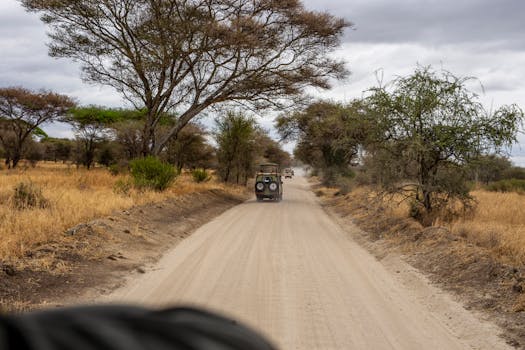
* The Game Drives: Our sturdy 4x4 Land Cruiser, with its pop-up roof, became our private viewing platform. Our guide, a man named Joseph, possessed an encyclopedic knowledge of the bush. He could spot a leopard camouflaged in a tree from a mile away and explain the intricate social dynamics of a lion pride. Each game drive was a treasure hunt. We witnessed a cheetah chase down its prey, a herd of elephants bathing in a muddy river, hippos grunting in crowded pools, and the graceful stride of giraffes against a fiery sunset. The "Big Five" (lion, leopard, elephant, rhino, buffalo) were all ticked off, but it was the unexpected moments – a mother warthog scurrying with her piglets, a vibrant lilac-breasted roller in flight, the sheer vastness of the Serengeti plains – that truly took my breath away.
* Camp Life & Culinary Delights: Returning to camp each evening was a comforting ritual. Our cook, a magician named Paul, would have a delicious meal waiting: fresh soups, rice, ugali, stews, vegetables, and fruit. We'd gather around a folding table, sharing stories and laughter with our fellow travelers from around the world. As darkness fell, the stars emerged in a dazzling display I'd never seen before, undimmed by city lights. The sounds of the night were a constant, thrilling lullaby. One night, a hyena snuffled around our tents; another, we heard lions roaring just a few kilometers away. It was raw, real, and utterly exhilarating. This, I realized, was my luxury – an unfiltered, immersive connection with nature.
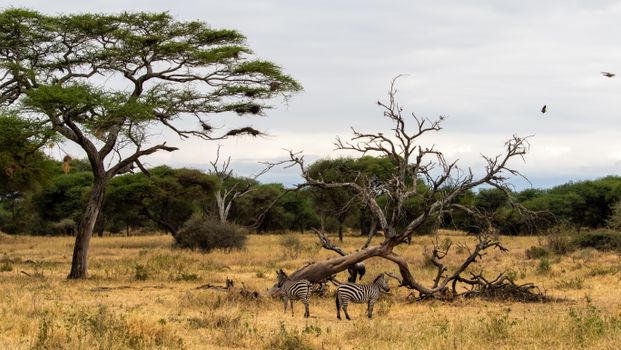
* The Ngorongoro Crater: This UNESCO World Heritage site felt like a lost world. Descending into the caldera, we entered an Eden teeming with wildlife – lions, zebras, wildebeest, flamingos, and even the elusive black rhino. It was a microcosm of Africa's diverse ecosystems, offering unparalleled game viewing in a single day.
Beyond the Big Five: Cultural Immersion & Responsible Tourism
A safari isn't just about the animals; it's about the people and the culture.
* Maasai Village Visit: We had the opportunity to visit a Maasai village near the Ngorongoro Conservation Area. This was a chance to learn about their semi-nomadic lifestyle, traditions, and vibrant culture. While some commercialization exists, choosing an ethical operator ensures that a portion of your fee directly benefits the community. It was a humbling experience, highlighting the delicate balance between tradition and modernity.
* Local Interactions: Our guide Joseph was a wealth of information, not just about wildlife but also about Tanzanian life, history, and customs. Engaging with him and other locals at roadside stops or markets added depth to the journey.
* Ethical Travel: On a budget safari, it's even more crucial to be a responsible traveler. Support local businesses, respect cultural norms, avoid littering, and maintain a safe distance from wildlife. Ask your operator about their commitment to conservation and fair wages for their staff.
The Nitty-Gritty: My Budget Breakdown & Your Action Plan
So, what did this "luxury on a budget" safari actually cost? While prices fluctuate, here's a realistic example based on my experience and current research for a 5-7 day Northern Circuit camping safari (shared among 4-6 people):
* Safari Package (all-inclusive camping): $200 - $350 USD per person, per day. (My 6-day safari came in around $1500 USD, or $250/day). This covers park fees, guide, cook, food, vehicle, camping fees, tents, etc.
* International Flights: This is often the biggest variable. I flew into Kilimanjaro International Airport (JRO). By booking several months in advance and being flexible with dates, I found round-trip flights from Europe for around $700-$900 USD. From North America, expect $1000-$1500+. Use flight comparison sites and consider flying into a major hub like Nairobi (NBO) and then taking a budget regional flight or bus to Arusha (Tanzania's safari capital).
* Visa: ~$50-$100 USD (e.g., US citizens pay $100 for Tanzania, EU citizens often $50). Apply in advance online.
* Tips for Guide/Cook: Crucial and expected. Budget around $20-$30 USD per day for the guide and $10-$15 USD per day for the cook (per group, then divided).
* Miscellaneous (drinks, souvenirs, pre/post-safari accommodation): ~$100-$200 USD.
Total Estimated Cost for a 6-Day Safari:
Around $2500 - $3500 USD per person, including international flights, visa, tips, and a few extra nights in Arusha. Compare this to luxury safaris that can easily run $800-$1500+ per day without flights!
Your Action Plan for an Affordable Safari:
1. Redefine Luxury: Embrace the authentic, immersive experience over opulent amenities.
2. Choose Your Destination Wisely: Focus on Tanzania or Kenya for East African adventures.
3. Timing is Everything: Aim for shoulder seasons (Nov-Dec, Mar-May) for better prices and fewer crowds.
4. Go Local: Research and book directly with reputable local tour operators.
5. Group Up: Join a small group safari or gather friends/family to share costs.
6. Camp Out: Opt for public camping safaris – they offer incredible value and immersion.
7. All-Inclusive Clarity: Get a detailed breakdown of what's included in your package.
8. Flight Hacks: Book early, be flexible, and consider alternative arrival airports.
9. Budget for Tips: Factor this essential cost into your planning.
10. Vaccinations & Insurance: Don't skimp on health and safety. Consult your doctor for necessary vaccinations (e.g., Yellow Fever) and malaria prophylaxis. Comprehensive travel insurance is a must.
Your Unforgettable Journey Awaits
Standing on the vast plains of the Serengeti, watching a pride of lions bask in the morning sun, I felt a profound sense of awe and gratitude. It wasn't just a safari; it was a revelation. It proved that dreams, even seemingly extravagant ones, are within reach with a little research, a dose of flexibility, and a willingness to redefine what "luxury" truly means.
This wasn't just a budget safari; it was my luxury safari. The luxury of waking up to the sounds of the wild, of expert guidance, of incredible food prepared with care, of sharing an adventure with new friends, and of witnessing nature's raw, untamed beauty up close. It was an experience that enriched my soul, challenged my perceptions, and left an indelible mark on my heart.
Stop letting the perceived cost hold you back. The African wilderness is calling, and it's more accessible than you ever imagined. Start planning your own "luxury on a budget" safari today, and prepare to prove everyone wrong.
Visual journey


Tags
Share this adventure
Join the travel community
New adventures, cultural insights and travel inspiration, straight to your inbox.
We may receive a commission if you click on a link and buy a product, service or policy, at no extra cost to you. How affiliate links work.
Been there?