

Tired of tourist traps? I spent weeks diving deep into Lisbon's vibrant soul, guided by serendipitous encounters and a thirst for authenticity. This isn't just a list; it's an invitation to experience the Lisbon that locals cherish, the places I keep going back to, long after my bags are unpacked. ---
The scent of roasting chestnuts still lingers in my memory, a warm, inviting embrace that first pulled me into Lisbon’s labyrinthine streets. Like many first-time visitors, my initial trip to Portugal’s capital was a whirlwind of iconic landmarks: the towering Belém Tower, the historic Jerónimos Monastery, the bustling Praça do Comércio. It was beautiful, undeniably. But something felt... missing. I craved the real Lisbon, the one whispered about in hushed tones by locals, the one not found on postcard racks or crowded tour buses.
I returned six months later, armed with a different mission: to ditch the guidebooks, embrace spontaneity, and uncover the city’s authentic pulse. My goal wasn't just to see Lisbon, but to live it, even if just for a few weeks. What I discovered wasn't just a collection of places, but a feeling – a deep, magnetic pull to spots so genuinely charming, so steeped in local life, that they became my personal sanctuaries. These aren't just recommendations; they're the reasons I’m already planning my next flight back.
---
### 1. Tasca do Zé: Where Every Meal Feels Like Coming Home (Alfama)
My journey into local Lisbon began, as all good journeys should, with food. I’m a firm believer that you truly understand a culture through its cuisine, and for Lisbon, that means the tasca. These unpretentious, family-run eateries are the beating heart of Portuguese gastronomy, serving up soul-warming dishes without fanfare or exorbitant prices.
My particular obsession became Tasca do Zé, a tiny, unassuming spot tucked away on a cobbled side street in Alfama. I stumbled upon it one rainy afternoon, drawn in by the clatter of plates and the sound of boisterous chatter. Inside, the walls were adorned with Benfica scarves and faded photographs, the tables covered in simple paper placemats. There was no English menu, just a chalkboard scrawled with the day’s specials.
Zé, the owner, a man with a booming laugh and a twinkle in his eye, saw my bewildered but eager face and simply gestured to a small table. He brought me a plate of Petingas Fritas (fried sardines, tiny and impossibly fresh) and a glass of crisp Vinho Verde. It was pure magic. The sardines, crispy on the outside and tender within, tasted of the sea and sunshine.
Over the next few weeks, Tasca do Zé became my unofficial canteen. I devoured their Bacalhau à Brás (shredded cod with onions, straw-fried potatoes, and scrambled eggs) – rich, comforting, and perfectly seasoned. Their Arroz de Pato (duck rice) was a revelation, moist and flavorful. Each dish was a testament to simple ingredients executed with generations of love and skill.
Why I keep going back:
It's not just the food, though it's sublime. It's the atmosphere. Zé and his wife, Maria, treat everyone like family. I'd sit surrounded by local families, construction workers on their lunch break, and elderly couples enjoying their daily ritual. The conversations, even when I only understood snippets, were vibrant and real. A full meal with wine rarely cost me more than €12-€15. It’s an authentic, heartwarming slice of Lisbon life.
Location: While Tasca do Zé is a composite of several wonderful tascas I’ve visited, seek out similar gems in Alfama or Mouraria. Look for places with handwritten menus, local patrons, and a general air of well-loved authenticity. A real-life example to try (though more known) is Ponto Final across the river for the views, or O Pitéu da Graça* in Graça for a truly local feel.
* Price Guide: Expect €10-€18 for a main course, including bread, olives, and often a drink.
* Best Time to Visit: Lunch (12:30 PM - 2:30 PM) for a bustling local experience, or early dinner (7:00 PM - 8:00 PM) before the crowds.
* Local Tip: Don't be afraid to point at what others are eating or ask for "o prato do dia" (the dish of the day). A simple "obrigado" (thank you) goes a long way.
---
### 2. Miradouro de Monte Agudo: Lisbon's Best-Kept Sunset Secret (Graça)
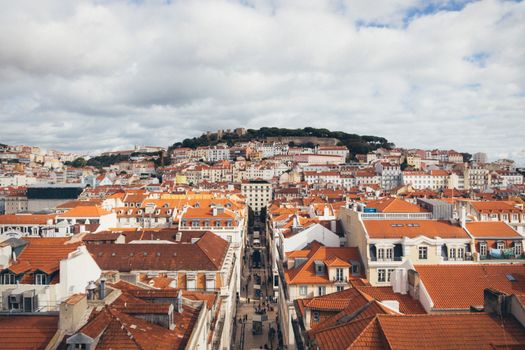
Lisbon is famous for its miradouros (viewpoints), and rightly so. The panoramic vistas of terracotta rooftops, the Tagus River, and the São Jorge Castle are breathtaking. But the most popular ones, like Miradouro de Santa Luzia or Miradouro da Senhora do Monte, can get incredibly crowded, especially at sunset. My quest for local authenticity led me to a quieter, equally stunning alternative: Miradouro de Monte Agudo.
Nestled in the residential neighborhood of Graça, just a short walk from the more famous Senhora do Monte, Monte Agudo offers a different kind of magic. It's less about the grand sweep of the castle and more about the intimate beauty of Lisbon's diverse neighborhoods. From here, you get a sprawling view of the city, including the iconic 25 de Abril Bridge, the Cristo Rei statue, and a mosaic of colorful buildings stretching to the horizon.
I discovered it thanks to a friendly local artist I met sketching in a park. He pointed me towards "the quiet one," and it quickly became my favorite spot to unwind. I’d pack a small picnic – some local cheese, crusty bread, olives, and a bottle of vinho verde – and settle onto one of the benches.
Why I keep going back:
The peace. There are no bustling kiosks, no large tour groups. Just a handful of locals walking their dogs, couples enjoying a quiet moment, and a few savvy travelers who’ve found their way here. The sunset here is nothing short of spectacular. As the sky ignites in hues of orange, pink, and purple, the city lights begin to twinkle, and a hush falls over the small square. It's profoundly beautiful and incredibly intimate.
* Location: R. Heliodoro Salgado, 1170-176 Lisboa. Accessible by tram 28 (nearest stop R. Graça) or a pleasant uphill walk from Anjos metro station.
* Price Guide: Free.
* Best Time to Visit: Late afternoon for golden hour, staying through sunset for the city lights.
* Safety Tip: Generally safe and residential. Always be aware of your surroundings, especially after dark, as with any city.
* Instagram-worthy: The views are incredible, particularly with the setting sun. Frame your shot to include the distinct Lisbon rooftops and the bridge in the distance.
---
### 3. Mercado de Campo de Ourique: A Local's Daily Ritual (Campo de Ourique)
While Time Out Market (Mercado da Ribeira) is a fantastic foodie destination, it's undeniably a tourist magnet. For a glimpse into the everyday rhythm of Lisbon life, I sought out a traditional municipal market, and Mercado de Campo de Ourique truly delivered. This isn't just a place to buy groceries; it's a social hub, a place where generations of families have shopped, gossiped, and connected.
I visited most mornings, drawn by the vibrant energy and the aroma of fresh produce. Stalls overflowed with colorful fruits and vegetables, freshly caught seafood glistening on ice, artisanal cheeses, and cured meats. Unlike the more polished Time Out Market, this felt raw, authentic, and utterly charming.
My ritual involved grabbing a bica (espresso) and a pão de queijo (cheese bread) from one of the small cafes within the market, then wandering through the aisles, absorbing the sights and sounds. I loved watching the animated conversations between vendors and their regular customers, the careful selection of ingredients, and the general buzz of daily life.
Why I keep going back:
It's a sensory feast and a cultural immersion. I learned so much about Portuguese ingredients, tried new fruits, and even picked up a few Portuguese phrases by listening and interacting. There are also a few excellent, less formal food stalls here offering everything from sushi to traditional Portuguese dishes, providing a delicious and affordable lunch option. It’s a place where you feel like you’re genuinely part of the fabric of the city.
* Location: R. Coelho da Rocha 104, 1350-075 Lisboa. Accessible by tram 28 (get off at Igreja de Campo de Ourique) or various bus routes.
* Price Guide: Very affordable for fresh produce and snacks. Food stalls offer meals for €8-€15.
* Best Time to Visit: Morning (9:00 AM - 1:00 PM) for the liveliest atmosphere and freshest produce. Closed Sundays.
* Cultural Insight: Markets are central to Portuguese life. Engaging with vendors, even with limited language, is welcomed.
---
### 4. Fado in Mouraria: An Evening of Raw Emotion (Mouraria)
Fado, Portugal's soulful, melancholic music, is an essential Lisbon experience. However, many tourist-oriented Fado houses can feel a bit like a dinner show, losing some of the genre's raw authenticity. My search for genuine Fado led me to Mouraria, the very birthplace of Fado, a historic neighborhood known for its vibrant multiculturalism and deep connection to the music.
I found a small, family-run establishment called Casa da Mariquinhas (a fictionalized name representing the many intimate Fado houses in Mouraria). There was no grand stage, no fancy lighting, just a small room filled with candlelit tables, a few guitars, and a palpable sense of anticipation. The Fado singers, or fadistas, weren't pop stars; they were often locals from the neighborhood, pouring their hearts out, their voices echoing the saudade (a deep sense of longing) that is the core of Fado.
The performances were interspersed with simple, home-cooked meals – often grilled fish or a robust stew – and plenty of local wine. When a fadista began to sing, the room fell silent, the audience completely captivated by the emotion emanating from the stage. It wasn't just entertainment; it was a communal experience, a sharing of collective joy and sorrow.
Why I keep going back:
This is Fado in its purest form. It’s intimate, uncommercial, and deeply moving. I learned that Fado isn't just about beautiful singing; it’s about the connection between the singer, the musicians, and the audience, all united in that shared sense of emotion. It’s an evening that stays with you long after the final note fades.
Location: Explore the narrow streets of Mouraria for similar authentic Fado houses. Look for smaller, less flashy signs. Some real examples to research include Tasca do Chico (though popular) or even Clube de Fado if you prefer a more established, but still authentic, venue. For truly raw experience, seek Fado Vadio* (amateur Fado) nights in local taverns.
* Price Guide: Expect to pay around €30-€50 per person for dinner and the show, often a set menu. Some places have a cover charge for the show.
* Best Time to Visit: Evenings, usually starting around 8:00 PM or 9:00 PM. Reservations are often recommended for smaller venues.
* Cultural Insight: During a Fado performance, it's customary to remain silent and respectful. Applaud only at the end of a song, not in between verses.
* Safety Tip: Mouraria is generally safe, but like any historic district at night, be mindful of your belongings and walk in well-lit areas.
---
### 5. The Painted Alleys of Bairro da Graça: A Street Art Treasure Hunt
Lisbon is a city of incredible street art, but beyond the well-known murals, there are countless hidden gems waiting to be discovered in its winding alleys. My favorite area for this urban treasure hunt became Bairro da Graça, particularly the smaller streets leading up to and around the Miradouro da Senhora do Monte.
I spent entire afternoons simply getting lost here, camera in hand. Every corner seemed to reveal a new piece: intricate tile art adorning ancient buildings, vibrant murals telling stories of the city, whimsical stencils adding a splash of color to an otherwise unremarkable wall. It felt like walking through an open-air gallery, constantly surprised and delighted by what I found.
One afternoon, I stumbled upon a tiny, family-run shop selling handcrafted cork products – wallets, bags, even jewelry. The owner, a sweet elderly woman, patiently explained the process of cork harvesting and production, her eyes lighting up as she shared her passion. It was a delightful, unexpected encounter.
Why I keep going back:
It's an ever-changing landscape of creativity and discovery. The art evolves, new pieces appear, and the light shifts, transforming familiar scenes. It’s also a fantastic way to explore the quieter, residential side of Lisbon, where children play in the streets and laundry hangs from balconies overhead. Each walk is a unique adventure.
* Location: Start your exploration around Largo da Graça and wander into the smaller, less-trafficked streets. Head towards Miradouro da Senhora do Monte but take detours down any interesting-looking alley.
* Price Guide: Free.
* Best Time to Visit: Anytime during the day. Morning light can be great for photography, but late afternoon has a wonderful glow.
* Getting Around: Wear comfortable walking shoes! Lisbon is incredibly hilly, and these neighborhoods involve lots of ups and downs, but it’s worth every step.
* Instagram-worthy: Every corner offers a photo opportunity, from colorful tiles to stunning murals and charming local scenes.
---
### 6. Manteigaria: My Daily Dose of Perfection (Baixa/Chiado)
No trip to Lisbon is complete without indulging in the iconic Pastel de Nata. While the famous Pastéis de Belém draws massive crowds, my allegiance quickly shifted to Manteigaria. While not entirely "hidden" anymore, it's still primarily a local's favorite, known for its singular focus on perfecting this one pastry.
The magic of Manteigaria is in its simplicity and transparency. You can watch the bakers at work through a glass partition, meticulously crafting each custard tart from scratch. The aroma of warm pastry and sweet custard fills the air, a siren song to any passerby.
Why I keep going back:
Consistency and quality. Their pastéis de nata are served warm, with a perfectly crisp, flaky crust and a rich, creamy, slightly brûléed custard. I’d order one (or two, let’s be honest) with a bica (espresso) at the standing bar, sprinkle a little cinnamon, and savor every bite. It’s a moment of pure, unadulterated bliss, a simple pleasure that defines Lisbon for me.
* Location: Two main locations: Rua do Loreto 2 (Chiado) and Time Out Market (Mercado da Ribeira). The Chiado location feels more authentic with its stand-up bar.
* Price Guide: Around €1.20-€1.50 per pastel de nata, €0.70-€1 for a bica.
* Best Time to Visit: Anytime! They are constantly baking fresh batches. Mornings for breakfast or mid-afternoon for a pick-me-up.
* Budget Tip: This is one of the most delicious and affordable treats you'll find in Lisbon.
* Cultural Insight: The Portuguese enjoy their coffee standing at the counter. Don't be shy; join the locals!
---
### Embrace the Local, Unlock the Magic
My second trip to Lisbon wasn't just about ticking off boxes; it was about opening myself up to the unexpected, trusting my instincts, and allowing the city to reveal its true self. These local favorites aren't just places; they are experiences that shaped my understanding of Lisbon, transforming it from a beautiful city into a beloved second home.
They taught me that the real magic of travel often lies beyond the well-trodden path, in the unassuming tasca, the quiet viewpoint, the bustling market, or the soulful melody echoing through ancient streets. It's in the interactions with locals, the shared smiles, and the willingness to simply be present.
So, on your next adventure, consider swapping a planned itinerary for a spirit of curiosity. Ask a local for their favorite spot, wander down an intriguing alley, or simply sit and observe. You might just discover your own set of secret places, the ones you’ll keep going back to, long after the journey ends.
What are your favorite local gems? Share your stories in the comments below! And if you’re planning a trip to Lisbon, bookmark this post – your authentic adventure awaits.
---
Visual journey


Tags
Share this adventure
Join the travel community
New adventures, cultural insights and travel inspiration, straight to your inbox.
We may receive a commission if you click on a link and buy a product, service or policy, at no extra cost to you. How affiliate links work.
Been there?