
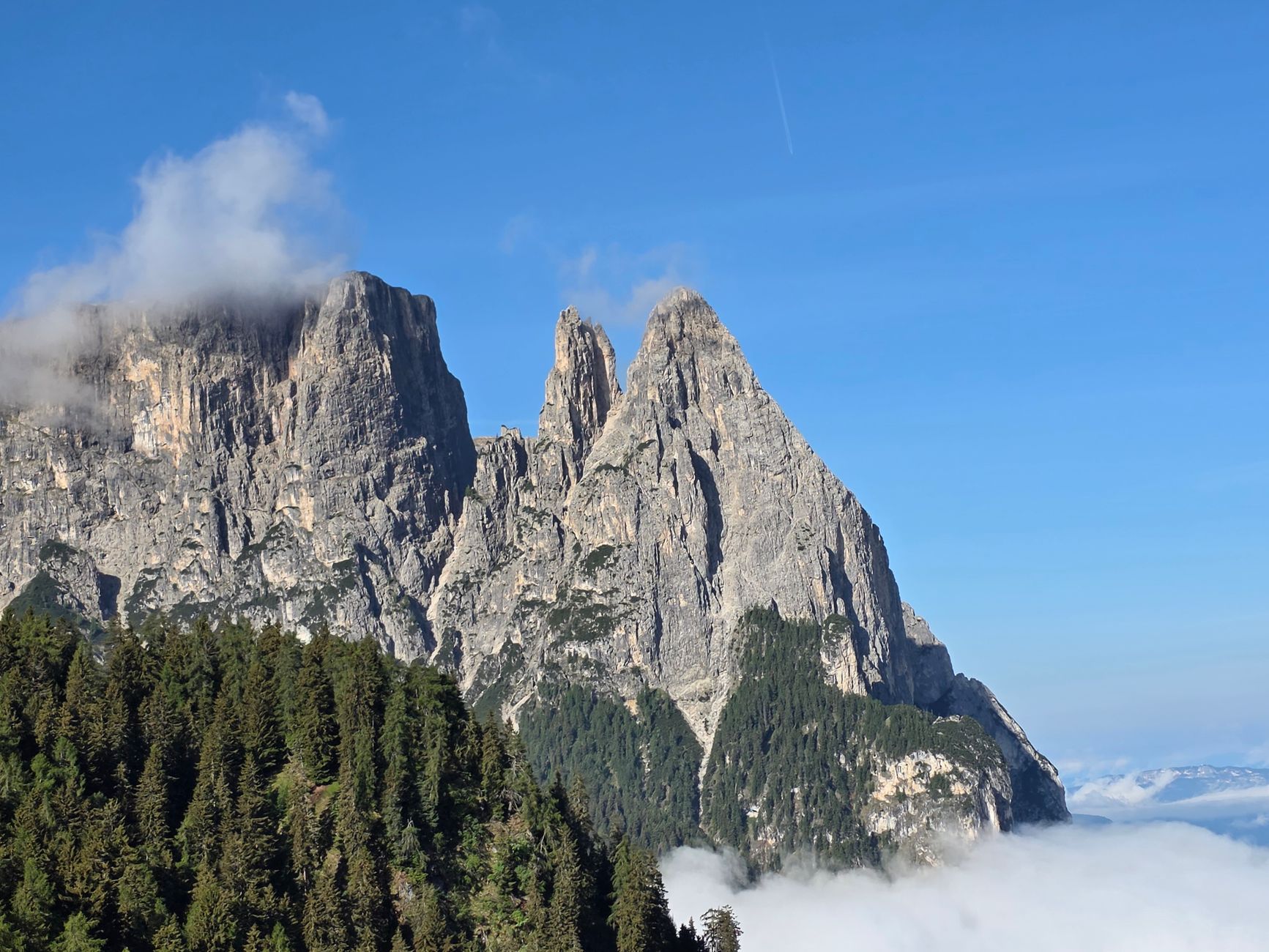
Everyone talks about skydiving for the ultimate thrill, but I sought a different kind of rush—one that offered control and sustained challenge. What I found high in the dramatic peaks of the Italian Dolomites was an experience so profound, it not only delivered the adrenaline I craved but fundamentally reshaped how I approach every journey. ---
The wind whipped around me, a playful but firm hand pushing against my chest. Below, a dizzying chasm plunged thousands of feet, speckled with miniature pine trees and impossibly blue glacial lakes. Above, jagged peaks pierced the cerulean sky, their ancient rock faces scarred with history. My hands, encased in worn leather gloves, gripped the cold steel cable running along the rock, my carabiners clipped securely. My heart hammered, not from fear, but from a potent cocktail of exhilaration, awe, and a deep, primal sense of being utterly alive.
This wasn't a freefall. This wasn't a tandem jump with someone else in charge. This was me, suspended hundreds of meters up, traversing an "iron path" in the Italian Dolomites. And in that moment, I realized I’d found the rush I’d been chasing for years – a rush so profound, so utterly transformative, that it made skydiving seem… well, almost quaint. And it changed how I travel forever.
### The Skydiving Myth & My Search for a Different Kind of Rush
For years, skydiving sat on my mental bucket list, a glittering, intimidating badge of courage that "true adventurers" were supposed to earn. Friends raved about it, Instagram feeds were flooded with blurry, ecstatic post-jump selfies. "The ultimate thrill!" they’d proclaim. "You have to do it!"
But something always held me back. It wasn't the height itself; I've always loved mountain vistas and towering cityscapes. It wasn't the speed; roller coasters are a blast. It was the lack of control, the feeling of being strapped to a stranger, falling passively. I wanted a thrill I could earn, a challenge where my own grit, strength, and decision-making were paramount. I wanted the adrenaline, yes, but I also craved a deeper engagement, a sustained battle of wills against an epic landscape.
I spent countless hours researching alternatives: bungee jumping (too quick), white-water rafting (fun, but not the same vertical exposure), cliff diving (also too quick). I yearned for something that combined the breathtaking views of a mountain trek with the heart-pounding intensity of climbing, all while feeling accessible enough for someone with decent fitness but no hardcore climbing experience.
Then, a casual conversation with a seasoned traveler in a hostel in Slovenia sparked an idea. "Ever heard of Via Ferrata?" he'd asked, showing me grainy photos on his phone of people clinging to sheer rock faces. "It's huge in the Dolomites." My curiosity was piqued. A quick search revealed a world I never knew existed: fixed-cable routes, iron ladders, suspension bridges, all built into the side of majestic mountains. This was it. This was my skydiving alternative.
### Discovering the Iron Path: What is Via Ferrata?
Imagine a hiking trail that decided to go vertical. That’s essentially a Via Ferrata, or "iron path" in Italian. Originating during World War I to help soldiers traverse the treacherous Dolomite peaks, these routes are now incredible adventures for outdoor enthusiasts. You’re clipped into a steel cable that runs the length of the route, using fixed rungs, ladders, and bridges to ascend and traverse exposed rock faces. It’s a spectacular hybrid of hiking and climbing, offering access to views normally reserved for experienced mountaineers.
The Dolomites, a UNESCO World Heritage site in northeastern Italy, are the undisputed capital of Via Ferrata. Their dramatic, pale limestone peaks, carved by ancient glaciers, are a playground of vertical challenges and unparalleled beauty. I chose Cortina d'Ampezzo as my base, a charming alpine town nestled in a valley, surrounded by these colossal natural cathedrals. It felt like stepping into a postcard, but I wasn't just there to admire the view; I was there to conquer it.
### My Dolomite Awakening: The First Ascent
My first Via Ferrata was a "warm-up" on the Via Ferrata Col dei Bos. I rented my gear – harness, helmet, two lanyards with carabiners specifically designed for Via Ferrata, and a pair of sturdy gloves – from a local shop in Cortina. The shopkeeper, a weathered man with eyes that crinkled at the corners, gave me a reassuring nod. "Buona fortuna," he’d said, "It will be unforgettable."
I opted to go with a local guide for my first few routes, a decision I highly recommend for beginners. Marco, my guide, was a jovial, experienced mountain guide whose calm demeanor was infectious. He patiently explained the "clipping in and out" technique, emphasizing the golden rule: always be clipped to the cable with at least one carabiner.
The initial approach hike was exhilarating, winding through fragrant pine forests. But then, the trees thinned, and the sheer rock face loomed. My heart began to pound. Looking up, I saw the glint of the steel cable, disappearing into the clouds. This was it.
The first few meters were a mix of awkward fumbling and sheer terror. My hands felt clumsy, my legs wobbly. I focused intently on Marco's instructions: "Three points of contact always. Look for the next rung. Trust the cable." The exposure was immediate and immense. A thousand feet below, the valley floor seemed to shrink with every upward step.
Then, something shifted. As I found my rhythm, clipping and unclipping, placing my feet, pulling myself up, a profound sense of focus took over. The fear didn't vanish entirely, but it transformed into a sharp, invigorating awareness. My senses were on high alert: the rough texture of the rock against my fingertips, the metallic tang of the cable, the rush of wind in my ears, the dizzying expanse of the panorama unfolding behind me.
Midway through, we traversed a section with a small, rickety-looking suspension bridge spanning a gap between two pinnacles. My legs turned to jelly. "Just look at the next step," Marco encouraged. With a deep breath, I stepped onto the planks, feeling them sway beneath me. My eyes were fixed on the other side, my hands gripping the guide ropes. Each step was a tiny victory. As I reached the other side, I let out a whoop of triumph that echoed across the valley.
That’s when the rush hit. It wasn't a sudden jolt, but a sustained, powerful surge of adrenaline mixed with immense satisfaction. It was the feeling of overcoming a challenge, of pushing my physical and mental limits, of being utterly present in a moment of sublime beauty and potent danger. It was the "same rush" as skydiving, perhaps even more so, because I was the one doing it, not just experiencing it. I was in control, navigating the vertical world with my own two hands and feet.
### Beyond the Rush: A Deeper Connection to Travel
Reaching the summit of Col dei Bos was a moment of pure euphoria. The views were indescribable – a 360-degree tapestry of jagged peaks, verdant valleys, and distant, snow-capped giants. I felt a connection to the mountains, to the history of the men who built these paths, and to myself, that I'd never experienced before.
This Via Ferrata didn't just give me an adrenaline fix; it fundamentally changed how I approach travel. Before, I was often a passive observer – ticking off landmarks, snapping photos, rushing from one "must-see" to the next. After the Dolomites, I craved active engagement. I realized that the most memorable experiences aren't always about seeing something, but about doing something, about pushing boundaries and immersing myself fully in a place.
My travel philosophy shifted:
1. Seek the Challenge: Instead of just visiting a national park, I now look for the most challenging hike or the most unique way to experience its landscape.
2. Embrace the Unfamiliar: I'm more open to trying local sports, learning traditional crafts, or venturing off the well-trodden tourist path.
3. Prioritize Experience Over Sightseeing: A curated meal with a local family now holds more appeal than a Michelin-starred restaurant. A multi-day trek trumps a bus tour.
4. Value the Journey, Not Just the Destination: The struggle, the effort, the moments of doubt and triumph on the path are as valuable as the panoramic view from the summit.
This shift has led me to incredible adventures: scaling active volcanoes in Guatemala, navigating ancient Inca trails in Peru, sea kayaking through remote fjords in Norway. Each experience builds on the last, enriching my understanding of the world and my own capabilities.
### Planning Your Own High-Altitude Adventure: Tips for Aspiring Thrill-Seekers
If my story has sparked a fire in your belly, here’s how you can plan your own Via Ferrata adventure:
#### 1. Choose Your Destination (and Season!):
* The Dolomites, Italy: Unrivaled for variety, history, and stunning scenery. Cortina d'Ampezzo, Alta Badia, and Val Gardena are excellent bases.
* Other European Hotspots: Austria, Switzerland, France (especially the French Alps), and Slovenia also have fantastic routes.
* Best Time to Go: Late spring (late May/June) through early autumn (September/early October) for good weather and snow-free routes. July and August are peak season.
#### 2. Gear Up:
You’ll need specialized equipment, which can be rented or purchased.
* Harness: A standard climbing harness.
Via Ferrata Lanyards: Crucial! These have two carabiners attached to elasticated arms and an energy absorber. Do NOT use regular climbing quickdraws.*
* Helmet: Essential for protection from falling rocks and bumps.
* Gloves: Leather or cycling gloves protect your hands from the cable and rock.
* Sturdy Hiking Boots: With good ankle support and grip.
* Small Backpack: For water, snacks, a light jacket, and a first-aid kit.
* Cost: Gear rental is typically €30-50 per day for the full kit. Purchasing your own can range from €200-€400.
#### 3. Assess Your Fitness & Experience:
* Physical Fitness: You don't need to be a rock climber, but good general fitness, strength in your arms and legs, and a head for heights are vital.
* Fear of Heights: Via Ferratas are exposed. If you have severe vertigo, this might not be for you. However, many people find the security of the cable and harness helps manage milder fears.
* Start Easy: Begin with easier, shorter routes (rated 1A or B) to get comfortable with the gear and technique before tackling more challenging ones. Guidebooks (like those by Cicerone) or local tourism offices are invaluable for route grading.
#### 4. Consider a Guide (Highly Recommended for Beginners!):
* For your first few routes, hiring a certified local mountain guide is highly recommended. They provide safety, instruction, local knowledge, and can boost your confidence.
* Cost: A private guide can cost €300-€500 per day, but many offer group tours at a lower per-person rate.
#### 5. Safety First, Always:
* Weather: Mountain weather can change rapidly. Check forecasts carefully and be prepared for rain, cold, or even unexpected snow, even in summer. Thunderstorms are particularly dangerous on exposed routes.
* Know Your Limits: Don't push yourself beyond your comfort zone. It's okay to turn back.
* Stay Hydrated & Fueled: Carry plenty of water and energy-rich snacks.
* Tell Someone: Inform your hotel or a friend about your planned route and expected return time.
#### 6. Budgeting for Your Adventure:
* Accommodation: From budget hostels (€30-50/night) to charming alpine hotels (€80-200+/night).
* Food: Italy offers delicious and relatively affordable food. Local "rifugios" (mountain huts) often serve hearty meals.
* Transportation: A rental car offers the most flexibility for reaching trailheads in the Dolomites. Public transport is available but can be less frequent.
* Miscellaneous: Park fees (rare for Via Ferrata), guidebooks, maps.
### The Unforgettable Payoff: Views, Victories, and a New Way to See the World
My time in the Dolomites wasn’t just about the adrenaline. It was about the incredible camaraderie forged with fellow adventurers on the narrow paths, sharing snacks and words of encouragement. It was about the silence of the high mountains, broken only by the wind and the clink of carabiners. It was about the taste of fresh water from a mountain spring and the warmth of a coffee at a rifugio perched precariously on a ridge.
I went on to tackle more challenging routes, like the Via Ferrata Ivano Dibona, which follows a ridge over a dramatic gorge, offering views of the famous Tre Cime di Lavaredo. Each route presented new challenges, new fears to overcome, and new vistas to etch into my memory.
The Dolomites taught me that true adventure isn't always about the biggest, most hyped-up thrill. It's about finding what resonates with you, what pushes your personal boundaries, and what leaves you with a lasting sense of accomplishment and a changed perspective.
That feeling, high on an iron path, with the world spread out beneath me, was more profound than any quick jump could ever be. It was sustained, earned, and deeply personal. It didn't just give me a rush; it gave me a new lens through which to view every future journey.
Now, when I plan a trip, I don't just ask, "What should I see?" I ask, "What can I do? What challenge can I embrace? How can I truly connect with this place?" This new approach has transformed my travels from a series of passive observations into a tapestry of active, unforgettable experiences.
So, next time you're contemplating that skydiving leap, consider this: maybe your ultimate rush, your truly transformative adventure, is waiting for you not in a freefall from a plane, but on an "iron path" high in the heart of some of the world's most magnificent mountains.
What's your 'Via Ferrata'? What adventure has changed how you travel? Share your stories in the comments below!
---
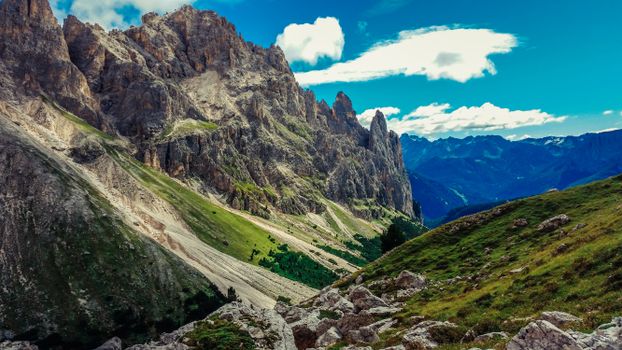
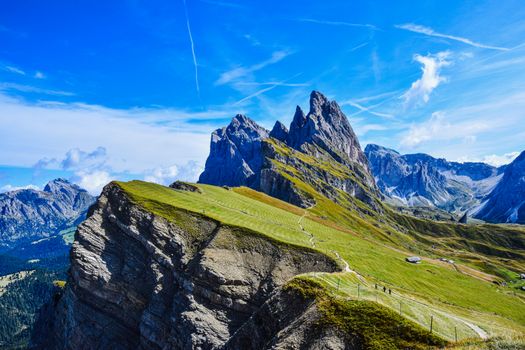
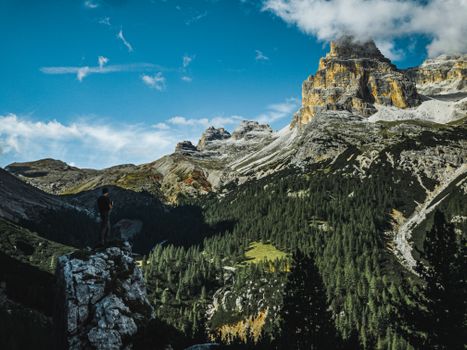
Visual journey


Tags
Share this adventure
Join the travel community
New adventures, cultural insights and travel inspiration, straight to your inbox.
We may receive a commission if you click on a link and buy a product, service or policy, at no extra cost to you. How affiliate links work.
Other angles on this trip
These notes are written by AI to show how different kinds of traveller might see this destination. They are not comments from real readers.