

Imagine disconnecting from the world, your phone, and even your own voice for ten days straight. I did it, and it was nothing short of life-changing. Dive into my unfiltered experience of a silent meditation retreat, and find out if this radical journey to inner peace is for you. ---
The incessant hum of notifications was my life's soundtrack. Emails pinging, social media feeds scrolling, the constant pressure to be "on" – it had become a relentless torrent, eroding my peace and leaving me perpetually frazzled. I was a professional travel blogger, for crying out loud, supposedly living the dream, yet I felt more chained to my devices than ever. My mind, a chaotic marketplace of to-do lists and fleeting thoughts, yearned for an escape, a true reset. And then, an idea, whispered by a friend, took root: a 10-day silent meditation retreat. My initial reaction? A mix of terror and intrigue. Ten days? Silent? No phone? It sounded utterly insane, yet utterly compelling. This wasn't just a trip; it was a desperate plea from my soul for a digital detox, a mental declutter, and perhaps, a genuine encounter with myself.
Little did I know, it would be the most challenging, uncomfortable, and ultimately, profoundly transformative experience of my life.
### The Great Escape: Why Sri Lanka Called My Name
Deciding on a silent retreat is one thing; choosing where to surrender your voice is another. I wanted somewhere that felt both deeply spiritual and geographically accessible. My research quickly led me to Vipassana, a traditional Buddhist meditation technique meaning "to see things as they really are." These retreats, often held in dedicated centers worldwide, are typically run on a donation basis, making them incredibly accessible, which was a huge bonus for my budget-conscious travel style.
After comparing a few options, Sri Lanka emerged as the perfect destination. The island nation, steeped in ancient Buddhist traditions, offered a rich cultural context for such a journey. The idea of meditating amidst lush tropical landscapes, far from the urban cacophony, was incredibly appealing. I chose a center near Kandy, nestled in the central highlands – a place known for its serene beauty and spiritual significance. (For those curious, I attended a retreat inspired by the Goenka tradition, and while I won't name the exact center to respect their privacy, there are many reputable Vipassana centers like the Kaduboda Vipassana Centre in Sri Lanka that follow similar principles.)
Getting There:
My journey began with a flight into Bandaranaike International Airport (CMB) in Colombo. From there, I took a pre-booked taxi directly to the center, a scenic three-hour drive past emerald tea plantations and bustling towns. You could also opt for a train to Kandy and then a local tuk-tuk or bus, which is a more budget-friendly and adventurous option, but I preferred the directness for my pre-retreat jitters.
Cost Breakdown:
Flights to Sri Lanka vary wildly but expect anywhere from $600-$1200 USD from major international hubs. The Vipassana retreat itself is run purely on a donation basis, meaning you contribute what you can afford after completing the course, based on the benefits you received. This model is truly remarkable, ensuring access for everyone regardless of financial means. My only other costs were travel to and from the center, and a small amount for basic toiletries.
### Day Zero: The Rules, The Reality, The Silence Begins
I arrived at the center on a sunny afternoon, a bundle of nerves and anticipation. The air was thick with the scent of frangipani and damp earth. The center itself was simple but meticulously clean: separate dormitories for men and women, a communal dining hall, and a large meditation hall. No frills, no distractions – exactly as it should be.
The first order of business was registration, followed by a mandatory orientation. This is where the rules were laid out, firmly but gently:
* Noble Silence: Absolutely no communication – no talking, no eye contact, no gestures, no reading, no writing, no phones. This was the big one.
* Five Precepts: To abstain from killing, stealing, sexual misconduct, lying, and intoxicants.
* Full Attendance: Every meditation session, every discourse.
* Segregation: Men and women were kept completely separate.
* Simple Living: Basic vegetarian food, no outside food, no entertainment.
Then came the moment of truth: handing over my phone, laptop, and anything that could connect me to the outside world. It felt like severing a limb, a painful but necessary amputation. As the sun dipped below the horizon, casting long shadows across the grounds, the Noble Silence officially began. The last words I heard were the instructions from the assistant teacher, and then… quiet. A profound, unsettling, deafening quiet.
### The Rollercoaster of Days 1-4: Mind Games & Body Aches
The first few days were brutal. Pure, unadulterated agony – both physical and mental.
The daily schedule was relentless:
* 4:00 AM: Wake-up gong (a jarring sound in the silence).
* 4:30 AM - 6:30 AM: Meditate in the hall or in your room.
* 6:30 AM - 8:00 AM: Breakfast & rest.
* 8:00 AM - 9:00 AM: Group meditation in the hall.
* 9:00 AM - 11:00 AM: Meditate in the hall or in your room.
* 11:00 AM - 1:00 PM: Lunch & rest.
* 1:00 PM - 2:30 PM: Meditate in the hall or in your room.
* 2:30 PM - 3:30 PM: Group meditation in the hall.
* 3:30 PM - 5:00 PM: Meditate in the hall or in your room.
* 5:00 PM - 6:00 PM: Tea break (fruit for new students, plain tea for old students).
* 6:00 PM - 7:00 PM: Group meditation in the hall.
* 7:00 PM - 8:15 PM: Discourse (video lecture by S.N. Goenka).
* 8:15 PM - 9:00 PM: Group meditation in the hall.
* 9:00 PM: Retire to your room.
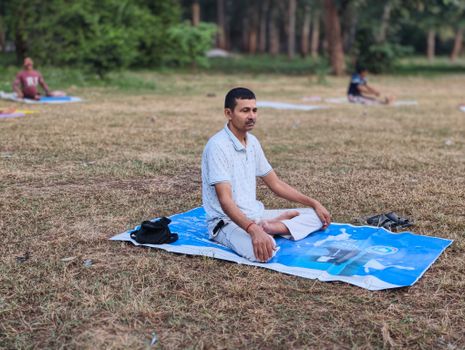
My body rebelled. Sitting cross-legged for hours on end, even with a cushion, was excruciating. My knees screamed, my back ached, and my legs went numb. I fidgeted constantly, desperate for movement, for a stretch, for anything to alleviate the discomfort.
But the physical pain was a mere backdrop to the real torment: my mind. Without the usual distractions, my "monkey mind" went absolutely wild. Every embarrassing moment from my past, every unresolved conflict, every future worry, every silly song lyric I'd ever heard – it all surfaced, playing on a relentless loop. I planned entire blog posts, conversations with friends, even imaginary arguments. I hated it. I fantasized about packing my bag and bolting. There were moments I truly thought I was going insane. The silence, instead of being peaceful, amplified every chaotic thought.
The only breaks were the simple, nourishing meals – delicious vegetarian Sri Lankan curries, rice, and fresh fruit. Eating in silence was a strange experience. I found myself savoring every bite, noticing textures and flavors I'd usually rush past. This was one of the first small shifts, an unexpected moment of mindfulness.
### The Breakthrough: Days 5-7 – Deeper Dives & Subtle Shifts
Just when I thought I couldn't take another minute, something shifted. It wasn't a dramatic lightning bolt, but a subtle, almost imperceptible softening. Around Day 5, the constant mental chatter began to quiet, if only for fleeting moments. The technique, which initially focused on observing the breath, then progressed to observing sensations throughout the body, started to make sense.
I began to understand the core Vipassana teaching: Anicca, the impermanence of all things. The pain in my knee? It would arise, intensify, and then, if I just observed it without reacting, it would eventually lessen or move. The restless thoughts? They were just thoughts, arising and passing, like clouds in the sky. I wasn't my thoughts, and I wasn't my pain. I was the observer.
This was a profound realization. I started to see patterns in my own mental landscape, how I clung to pleasant sensations and recoiled from unpleasant ones, creating my own suffering. I had moments of incredible clarity, where it felt like layers of grime were being scrubbed from my perception. I cried during one meditation session, not out of sadness, but from a release of old, pent-up emotions I hadn't even known I was carrying.
The food tasted even better. The rustle of leaves outside the meditation hall became a symphony. A tiny spider meticulously weaving its web on the windowpane became an object of fascination. I was present, truly present, perhaps for the first time in years. This wasn't just about silence; it was about learning to listen – to my body, to my mind, to the world around me, with a profound new awareness.
### Emerging Transformed: Days 8-10 & The Return to Sound
The final days were spent refining the practice, deepening the awareness of subtle sensations throughout my body. There was a growing sense of peace, a quiet confidence replacing the earlier turmoil. I wasn't "enlightened," but I felt significantly lighter, clearer, and more grounded.
On the morning of Day 10, the Noble Silence was lifted. The assistant teacher announced that we could now speak. It was an overwhelming moment. The first few voices were soft, almost hesitant, like baby birds trying out their wings. Then, a crescendo of chatter, laughter, and shared stories erupted. It was beautiful, chaotic, and strangely jarring after so much quiet. People shared their struggles, their breakthroughs, their tears. The sense of camaraderie, built in shared silence, was immense. We had all gone through something together, a collective journey into ourselves.
My first conversation was simple, a polite exchange with my fellow meditator about the weather. But even that felt profound. I noticed how quickly I slipped back into old habits, how easy it was to judge, to project, to get caught up in external narratives. The retreat wasn't a cure-all, but it had given me a powerful tool: the ability to observe, to pause, to choose my reaction rather than being swept away by it.
### Is a Silent Retreat For You? Practical Tips for Your Journey
Emerging from the retreat, I felt like a different person. Not a completely new person, but a more authentic, less cluttered version of myself. My mind felt spacious, my senses heightened, and my appreciation for simple things immense. If you're considering this radical journey, here's my unfiltered advice:
1. Research, Research, Research:
* Tradition Matters: Vipassana (Goenka tradition) is widely available and structured. Other traditions (Zen, Tibetan, etc.) may have different approaches. Choose one that resonates.
* Center Reputation: Look for established centers with clear guidelines and experienced teachers. Read reviews.
* Location: While I loved Sri Lanka, centers exist globally. Choose a location that feels right for you.
2. Prepare Mentally & Physically:
* Manage Expectations: This isn't a spa vacation. It's hard work. Don't expect instant enlightenment.
* Physical Readiness: You'll be sitting for long periods. If you have chronic back or knee issues, consult your doctor. Practice sitting cross-legged for short periods beforehand.
Mental Health: If you have severe anxiety, depression, or other mental health conditions, discuss it with your therapist or doctor before* committing. These retreats can bring up intense emotions.
3. Pack Smart & Light:
* Comfortable Clothing: Loose, modest clothing is essential. Think cotton, breathable fabrics. Shoulders and knees must be covered. (Culturally sensitive for Sri Lanka and most centers).
* Meditation Cushion/Bench: While centers provide them, bringing your own can be a game-changer if you have specific needs.
* Alarm Clock: You'll need one for the early morning gongs. A simple, non-phone alarm is crucial.
* Toiletries: Basic, unscented toiletries.
* Water Bottle: Stay hydrated.
* Notebook (for after the retreat): You'll want to jot down insights once silence lifts.
4. Embrace the Discomfort:
* It Will Be Hard: The first few days are often the toughest. Don't give up. The breakthroughs often come when you push past the initial resistance.
* Observe, Don't React: This is the core teaching. Notice thoughts, emotions, and physical sensations without judgment or attachment.
* Talk to the Teacher: If you're genuinely struggling or have questions about the technique, you can meet with the assistant teacher during designated times.
5. Post-Retreat Integration:
* Ease Back In: Don't jump straight back into your old frantic pace. Give yourself a few days of quiet reflection before fully re-engaging with the world.
* Continue the Practice: The retreat is just the beginning. Even 10-15 minutes of daily meditation can help maintain the clarity and peace you gained.
* Digital Re-entry: Be mindful when you get your phone back. Don't immediately drown yourself in notifications. Set boundaries.
Best Time to Visit Sri Lanka for a Retreat:
The dry seasons (December to March for the west and south coasts/hill country, and April to September for the east coast) are ideal for comfortable travel and avoiding monsoons. Book your retreat slot well in advance, as popular centers fill up quickly.
Getting Around Sri Lanka:
For a deeper dive into the island post-retreat, explore local buses and trains – they're incredibly cheap and offer stunning views. For convenience, ride-sharing apps like PickMe are widely available in cities, and hiring a car with a driver is also an option for longer distances.
My 10-day silent meditation retreat was not a vacation; it was an expedition into the uncharted territory of my own mind. It showed me the immense power of stillness, the profound wisdom of my own body, and the quiet resilience of the human spirit. It’s an experience that will challenge you, push you to your limits, and ultimately, gift you with a clarity and peace that few other journeys can.
Are you ready to unplug, truly disconnect, and embark on the ultimate adventure of self-discovery? I promise, the quiet is louder than you think, and the transformation is worth every silent moment.
What's your biggest fear about going silent? Or have you done a retreat before? Share your thoughts and stories in the comments below! Let's inspire each other to find our own paths to inner peace.
---
Visual journey


Tags
Share this adventure
Join the travel community
New adventures, cultural insights and travel inspiration, straight to your inbox.
We may receive a commission if you click on a link and buy a product, service or policy, at no extra cost to you. How affiliate links work.
Been there?