
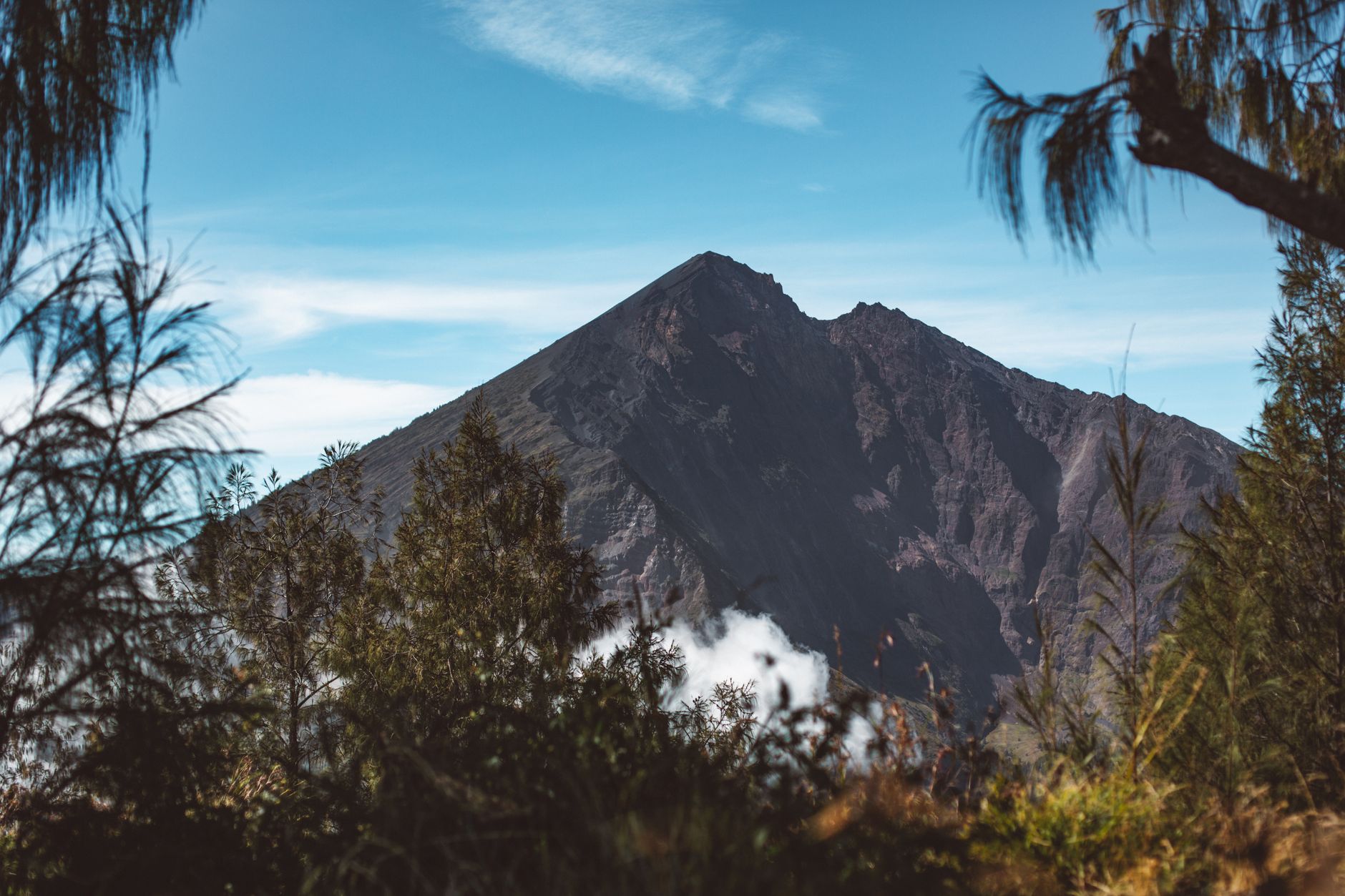
I never thought I'd climb a mountain like Mount Rinjani. It felt impossible, a distant dream for seasoned adventurers, not me. But standing on its formidable summit, gazing into the caldera of an active volcano, I realized this incredible journey is a hidden gem that demands more attention from the world.
## The Echo of Doubt and the Call of Rinjani: Conquering My Impossible Mountain
The photo sat on my desktop for months, a constant, nagging challenge. A turquoise crater lake nestled within a massive caldera, framed by the jagged, imposing peak of a volcano. Mount Rinjani. Every time I looked at it, a familiar voice in my head whispered, "Impossible." It wasn't Everest, or Kilimanjaro, but for me, a regular traveler with a love for hiking but no mountaineering background, Rinjani felt like an insurmountable barrier. The stories of its brutal ascent, the steep volcanic scree, the sheer altitude – they all painted a picture of a feat beyond my capabilities.
Yet, that photo also held an irresistible pull. Its raw beauty, the promise of an epic adventure, the chance to truly push my limits. I’d spent years writing for Tripsora, sharing tales of far-flung beaches and bustling cityscapes, but this was different. This was a challenge that felt deeply personal, a chance to prove to myself that "impossible" was just a word. And so, with a mixture of trepidation and fierce determination, I booked my flight to Lombok, Indonesia, ready to face the mountain that felt like my impossible dream. It turns out, it’s a dream that deserves far more attention than it currently gets.
### The Majestic Beast of Lombok: Why Rinjani Should Be on Your Radar
Mount Rinjani, standing at 3,726 meters (12,224 feet), is the second-highest volcano in Indonesia and the undisputed crown jewel of Lombok. While Bali often steals the limelight, Lombok offers a rugged, untamed beauty, and Rinjani is its beating heart. This isn't just a hike; it's a multi-day expedition that takes you through diverse ecosystems, from dense tropical rainforests to savanna grasslands, before culminating in an exposed, lunar-like ascent to the summit.
What makes Rinjani truly captivating is not just its height, but its dramatic caldera, home to the stunning crescent-shaped Segara Anak (Child of the Sea) lake. Within this lake, a new volcano, Barujari, actively smolders, occasionally puffing smoke – a constant, humbling reminder of the raw power beneath your feet. For the local Sasak people, Rinjani is a sacred place, a dwelling for gods and spirits, and pilgrimage to the lake for ritual bathing and making offerings is a deeply ingrained tradition.
The "impossible" feeling often comes from its reputation for being incredibly steep, especially the final summit push through loose volcanic scree. It’s physically demanding, no doubt, but with the right preparation and mindset, it is absolutely achievable for anyone with a good level of fitness and a strong will. And the reward? Views that will etch themselves into your soul, sunrises that redefine beauty, and a profound sense of accomplishment that few other treks can offer. It’s an experience often overshadowed by more famous peaks, but one that truly deserves its moment in the spotlight.
### Gearing Up for Glory: Preparing for Your Rinjani Expedition
Successfully tackling Rinjani isn't about being an elite athlete; it's about smart preparation. Trust me, every bit of effort you put in beforehand pays dividends on the trail.
1. Physical Conditioning:
Six to eight weeks before your trip, incorporate regular cardio (running, cycling, swimming) 3-4 times a week. Focus on building leg strength with squats, lunges, and step-ups. Most importantly, do practice hikes – ideally on varied terrain with some elevation gain, wearing the backpack you intend to use. This gets your body used to sustained effort and your feet accustomed to your boots.
2. Mental Fortitude:
This is perhaps even more crucial. Rinjani will test your limits. There will be moments of doubt, exhaustion, and perhaps even tears. Cultivate a positive mindset, practice visualization, and remind yourself why you're doing this. Breaking the trek into smaller, manageable goals helps immensely.
3. Essential Gear List (Don't Skimp!):
* Sturdy Hiking Boots: Broken in, waterproof, with good ankle support. This is non-negotiable.
* Layers, Layers, Layers: The weather changes dramatically from hot rainforest to freezing summit. Think moisture-wicking base layers, a warm fleece, and a waterproof/windproof outer shell.
* Headlamp with spare batteries: For those pre-dawn summit pushes.
* Trekking Poles: An absolute godsend, especially on descents through scree. They save your knees and provide stability.
* Water Bladder/Bottles: At least 2-3 liters capacity. Hydration is key.
* Snacks: Energy bars, nuts, dried fruit – your guides provide meals, but personal snacks are great for quick boosts.
* Sun Protection: Hat, sunglasses, high-SPF sunscreen.
* First-Aid Kit: Blister plasters, pain relievers, antiseptic wipes, any personal medications.
* Small Backpack (Daypack): For your personal items during the trek.
* Camera Gear: You'll want to capture every breathtaking moment. Protect it from dust and rain!
* Cash: For tips for your incredible guides and porters.
4. Choosing a Tour Operator:
This is paramount for Rinjani. You cannot trek without a licensed guide. Opt for reputable companies with good reviews that prioritize safety, ethical treatment of porters, and environmental responsibility. I went with Rinjani Trekking Center (RTC), based out of Senaru, after reading countless positive reviews. They provided excellent equipment (tents, sleeping bags, mattresses), delicious food, and knowledgeable guides and porters. Expect to pay anywhere from $180 - $350 USD per person for a 2-day/1-night or 3-day/2-night package, depending on the route, group size, and level of amenities. This usually includes park fees, guide, porters, food, water, and camping gear.
5. Acclimatization:
If you're coming from sea level, consider spending a day or two in Senaru or Sembalun (the main starting points) to adjust to the slightly higher altitude before starting the trek. This can help mitigate altitude sickness.
### The Ascent: Every Step a Story, Every View a Reward
My Rinjani journey was a 3-day, 2-night adventure starting from Sembalun, aiming for the summit, then descending to the lake, and finally exiting via the challenging Torean route.
Day 1: Sembalun to Crater Rim (2,639m)
We started early from Sembalun, a cool morning breeze sweeping across the savanna. The initial hours were deceptively gentle, a pleasant walk through grasslands, past Pos 1, 2, and 3. Our guides, Budi and Rizal, were incredible, sharing stories and jokes, while the porters, with seemingly superhuman strength, effortlessly carried huge baskets of food, water, and tents on bamboo poles. Lunch was a feast of noodles, rice, and fresh fruit prepared trailside.
The real challenge began after lunch. The path steepened dramatically, weaving through dense forests and then up a relentless series of switchbacks. My calves burned, my breath hitched, but the views unfolding behind us, of Lombok stretching out to the sea, pushed me forward. We reached the Sembalun Crater Rim (Pelawangan Sembalun) late in the afternoon, utterly exhausted but utterly awestruck. The campsite was perched precariously on the rim, offering a panoramic view of the caldera, the shimmering Segara Anak lake below, and the ominous Rinjani summit looming above. As the sun dipped below the horizon, painting the sky in fiery hues, I felt a surge of nervous excitement. Tomorrow was summit day.
Day 2: Summit Push (3,726m) & Descent to Segara Anak Lake (2,000m)
The alarm blared at 2 AM. It was pitch black, and the air was frigid. After a quick coffee and biscuits, we started our ascent. This was the "impossible" part. The path was pure volcanic scree – two steps forward, one slide back. It was relentless, soul-crushing, and seemingly endless. My headlamp beam danced on the shifting sand, illuminating only a few feet ahead. Each step was a battle against gravity and my own dwindling energy.
The wind howled, whipping volcanic ash into my face. I remember thinking, "Why am I doing this?" But then, I'd look up and see the faint lights of other trekkers snaking their way up, a testament to shared struggle. Budi, my guide, kept a steady pace, offering encouragement and a gentle hand when I stumbled.
Just as despair began to creep in, a sliver of orange appeared on the horizon. The sky slowly bled from inky black to deep violet, then brilliant orange and gold. The world below began to reveal itself – the crater lake, the surrounding islands, Bali in the distance. The sunrise from Rinjani's summit is, without exaggeration, one of the most magnificent sights I have ever witnessed. All the pain, all the doubt, melted away in that moment of pure, unadulterated triumph. I had done it. I had climbed my impossible mountain.
The descent from the summit was equally brutal on the knees, a long, slippery slide down the scree. After a well-deserved breakfast back at the rim, we began the long, steep descent into the caldera to Segara Anak lake. The path was challenging, requiring careful footing, but the reward was immense. Camping by the pristine lake, soaking weary muscles in the natural hot springs nearby – it was pure bliss. The stars at night here are unbelievably bright, a celestial show far removed from city lights.
Day 3: Lake to Torean Exit
Our final day was a long, beautiful, and at times harrowing descent via the Torean route. This route is less trafficked and incredibly scenic, passing through lush valleys, along riverbeds, and past stunning waterfalls. It's also known for being quite steep and slippery in parts, making trekking poles indispensable. The last few hours felt endless, but the thought of a hot shower and a cold Bintang kept me going. We emerged, dusty and tired, but transformed, greeted by our driver with a triumphant smile.
### Beyond the Summit: Culture, Conservation, and Community
My Rinjani trek was more than just a physical challenge; it was a deep dive into local culture and a powerful lesson in community and conservation.
The Heart of the Sasak People:
Our guides and porters were predominantly Sasak, the indigenous people of Lombok. Their strength and resilience were inspiring. Watching them navigate treacherous terrain with 20-30kg baskets of supplies on their shoulders, often in flip-flops, while still smiling and offering help, was humbling. They are the backbone of the Rinjani trekking industry, and their knowledge of the mountain, its flora, and fauna is invaluable. Learning a few basic Bahasa Indonesia phrases like "Terima kasih" (thank you) or "Apa kabar?" (how are you?) always brought a warm smile.
Spiritual Significance:
Rinjani holds profound spiritual meaning for the Sasak. The lake, Segara Anak, is considered sacred, a place for rituals and offerings to the mountain spirits. Our guides respectfully pointed out offerings left by other trekkers and shared stories of the mountain's mystical power. This cultural layer adds immense depth to the physical journey.
Conservation Efforts:
The increasing popularity of Rinjani has brought challenges, particularly with waste management. Reputable tour operators like RTC are committed to "Leave No Trace" principles, ensuring all rubbish is carried out. There are ongoing efforts by local communities and NGOs to educate trekkers and clean up the mountain. As travelers, it's our responsibility to support these initiatives by choosing ethical operators and packing out everything we pack in. The beauty of Rinjani depends on it.
### Practicalities & Planning Your Rinjani Adventure
Ready to plan your own "impossible" climb? Here are the essential details:
Best Time to Visit:
The dry season, from April to November, is ideal. The weather is generally clear, and the trails are less slippery. Avoid the monsoon season (December to March) when heavy rains can close the park due to safety concerns.
Routes & Duration:
* Sembalun Route (Summit Route): Most popular for summit attempts (2 days/1 night or 3 days/2 nights). Starts higher, less forest, more open savanna.
* Senaru Route (Crater Rim Route): Often used for those not aiming for the summit, or combined with Sembalun. Starts lower, more rainforest.
* Torean Route: The most challenging and longest, often used for descent or by experienced trekkers. Offers stunning scenery but requires a high level of fitness.
Permits and Costs:
A permit (park entrance fee) is mandatory and usually included in your tour package. As mentioned, packages generally range from $180 - $350 USD per person, covering guides, porters, food, water, tents, sleeping bags, and park fees. Budget travelers can look for larger group tours, which tend to be slightly cheaper per person. Always clarify what's included before booking. Tipping your guide and porters is customary and highly recommended – they work incredibly hard. A good guideline is 10-15% of the tour cost, split between the team.
Accommodation Before/After:
* Senaru: Charming village with guesthouses, waterfalls, and a cooler climate. Great for pre-trek relaxation.
* Sembalun: Smaller village, closer to the summit trail.
* Senggigi/Kuta (Lombok): Coastal towns for post-trek relaxation, beaches, and massages.
Getting There:
Fly into Lombok International Airport (LOP) in Praya. From there, you can arrange a taxi or shuttle transfer to Senaru or Sembalun (approx. 2.5-3 hours). Many tour operators will include airport transfers in their packages.
Budget Tips:
* Group Tours: Join a larger group to reduce per-person costs.
* Negotiate: Don't be afraid to haggle respectfully with tour operators, especially if booking locally.
* Bring Snacks: While food is provided, bringing your own high-energy snacks can save money and ensure you have what you like.
* Refill Water: Some operators provide purified water. If not, bring purification tablets to save on bottled water.
Safety Tips:
* Stay Hydrated: Drink plenty of water.
* Listen to Your Guide: They know the mountain best.
* Altitude Sickness: Be aware of symptoms (headache, nausea, dizziness). Descend if symptoms worsen.
* Pack Smart: Ensure you have appropriate gear for all weather conditions.
* Travel Insurance: Always have comprehensive travel insurance that covers trekking at altitude.
### The Unforgettable Summit: Your Turn to Conquer
Standing on the summit of Mount Rinjani, wind-whipped and utterly spent, I felt a sense of accomplishment I hadn't anticipated. It wasn't just about reaching the top; it was about every single step, every moment of doubt overcome, every shared laugh with my guides. It was about witnessing a sunrise that painted the world in colors I didn't know existed, and sleeping under a blanket of a million stars.
Rinjani is a challenge, yes, but it’s also an invitation. An invitation to discover your own strength, to immerse yourself in stunning natural beauty, and to connect with a culture deeply intertwined with its environment. It's a mountain that may feel impossible at first glance, but it’s incredibly achievable, and its unique blend of physical challenge, breathtaking scenery, and spiritual significance makes it a truly underrated gem that deserves to be on every adventurer's bucket list.
Don't let the word "impossible" deter you. If I can climb Rinjani, so can you. It's a journey that will transform you, leaving you with memories, stories, and a newfound belief in your own capabilities. So, what are you waiting for? Plan your Rinjani adventure now, and discover the impossible mountain that's waiting to change your life.
Have you tackled Rinjani or another challenging trek? Share your stories and tips in the comments below!
---
Visual journey


Tags
Share this adventure
Join the travel community
New adventures, cultural insights and travel inspiration, straight to your inbox.
We may receive a commission if you click on a link and buy a product, service or policy, at no extra cost to you. How affiliate links work.
Been there?