
I used to think festivals were just for spectators, until I dove headfirst into the technicolor chaos of Holi in Pushkar. This isn't just a festival; it's a soul-stirring embrace of community, joy, and vibrant culture that I wish I'd discovered years ago. Prepare to get messy, make friends, and redefine your idea of travel. ---
The truth is, for years, my travel style was rather... observed. I’d wander through bustling markets, hike scenic trails, and marvel at ancient architecture, always with a respectful distance. Festivals? They were grand spectacles to be admired from afar, perhaps captured through a camera lens, but rarely engaged with on a personal level. I worried about being an outsider, about cultural faux pas, about simply getting in the way.
Then came Pushkar, India, and the festival of Holi. And oh, how I wish I’d known sooner. I wish I’d known that stepping out of my comfort zone, getting utterly drenched in color, and dancing alongside strangers would be one of the most profoundly joyful and connecting experiences of my life. This wasn’t just a festival; it was an invitation – a loud, colorful, exhilarating invitation to become part of something truly magical.
The Sacred & The Spectacular: Pushkar's Pre-Holi Hues
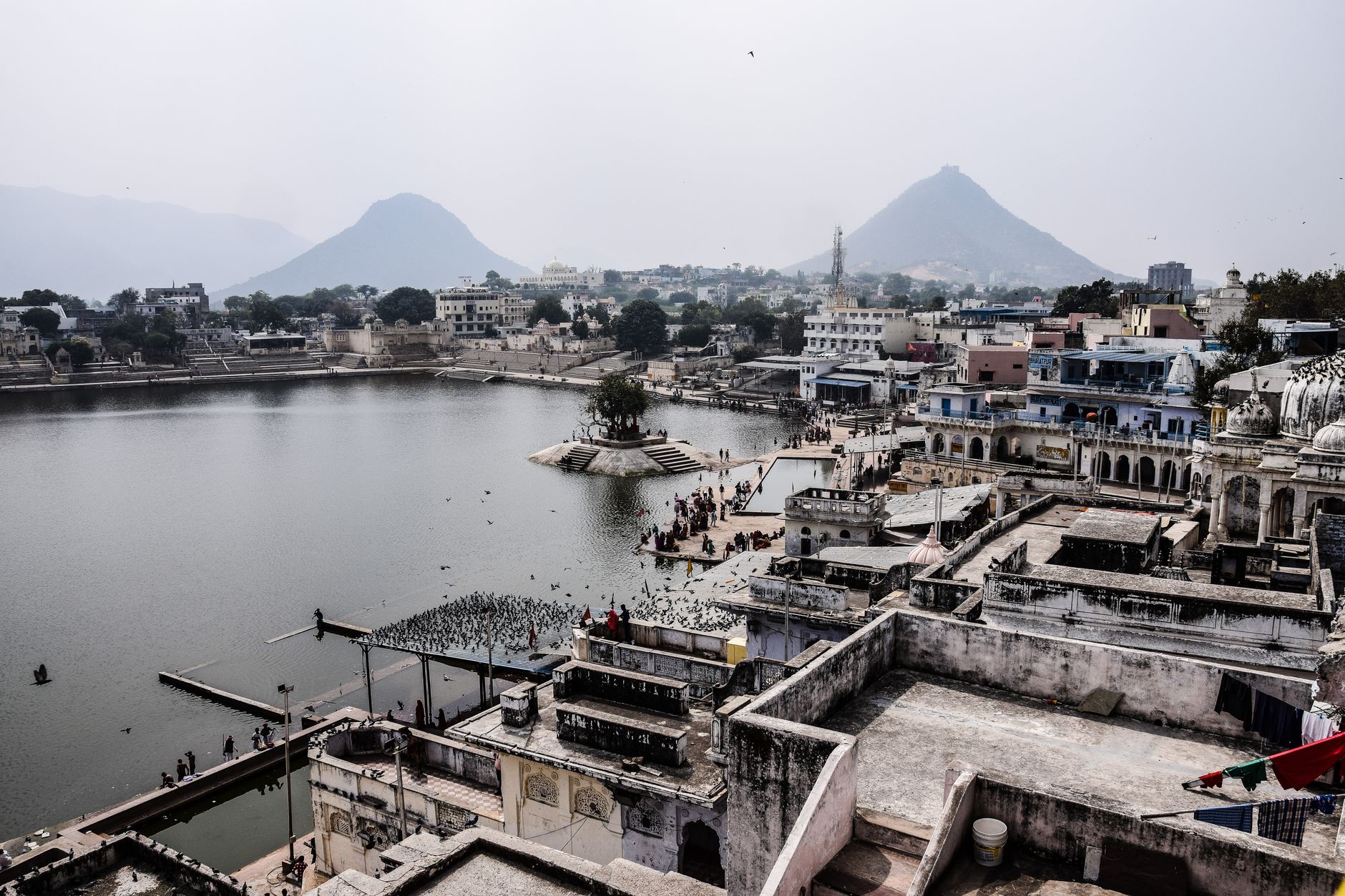
Pushkar itself is a revelation, a town wrapped around a sacred lake, dotted with hundreds of temples, and steeped in mythology. It's one of the oldest cities in India, a pilgrimage site for Hindus, and home to the world's only Brahma Temple. Its winding lanes, bustling bazaars, and serene ghats usually hum with a spiritual calm. But as Holi approaches, that calm gives way to an electric anticipation.
My journey to Pushkar wasn't specifically for Holi. I was en route to explore more of Rajasthan when a fellow traveler, a seasoned India hand, casually mentioned, "You have to be in Pushkar for Holi. It’s insane. In the best way." My initial reaction was a mix of intrigue and trepidation. "Insane" wasn't usually in my travel itinerary. But the seed was planted.
Days before the main event, the town began to transform. Shops displayed mountains of vibrant gulal (dry colored powder) and buckets of liquid dyes. Street vendors sold water pistols and balloons. Laughter seemed to echo louder, and a tangible buzz filled the air. The first evening, Holika Dahan, saw bonfires lit across town, symbolizing the triumph of good over evil. I joined a small crowd near a smaller bonfire, watching as locals offered prayers and threw offerings into the flames. The warmth of the fire, the rhythmic chanting, and the shared sense of tradition were my first gentle nudge into the immersive world of an Indian festival. It was beautiful, spiritual, and a stark contrast to the explosion of color that awaited.
My First Taste of Technicolor Joy: Diving into the Rainbow Riot
The next morning, Rangwali Holi, dawned with an energy I’d never experienced. I peered out of my guesthouse window to see small groups already smearing each other with color. Taking a deep breath, I donned the oldest, whitest t-shirt I owned (a rookie mistake, as I soon learned dark colors hide the stains better!) and headed out.
The main square, near the Brahma Temple Road, was already a pulsating canvas of humanity. Music blared from massive speakers – a mix of Bollywood beats and traditional folk. People were dancing, singing, and, of course, throwing color with wild abandon. For a moment, I froze, a deer in headlights, overwhelmed by the sheer sensory overload.
Then, a young boy, no older than seven, with a mischievous grin and eyes sparkling with gulal, approached me. Before I could react, he smeared a handful of bright pink powder across my cheek, shouting, "Happy Holi!" His innocent joy was infectious. My hesitation melted away. Another group, laughing heartily, pulled me into their circle, dabbing my hair with blue, my forehead with yellow, and my arms with green. Soon, I was a walking rainbow, indistinguishable from the locals.
I danced. Oh, did I dance! With strangers who felt like instant friends, their smiles wider than the Pushkar Lake. We shared sips of thandai (a refreshing, milky drink often laced with almonds and spices), and our laughter mingled with the pounding bass. The feeling wasn't just exhilarating; it was liberating. All my preconceived notions of being an outsider vanished. In that moment, covered head-to-toe in every shade imaginable, I was simply there, part of the vibrant, joyous chaos. It was a profound sense of belonging that no amount of solo sightseeing could ever replicate.
The Unforgettable Feast of Friendship & Bhang
Beyond the public revelry, Holi in Pushkar also offered a glimpse into the intimate warmth of local hospitality. Later that afternoon, after the main square's frenzy had somewhat subsided, I was invited by a family I’d briefly met earlier to join them for lunch. Their home, a modest but immaculately kept dwelling down a quiet lane, smelled of spices and sweet treats.
Sitting cross-legged on the floor, sharing a simple yet delicious meal of puri, aloo sabzi, and homemade sweets, was another peak experience. They introduced me to their relatives, insisted I try their special homemade gujiya (a sweet dumpling), and generously offered me a small glass of bhang lassi – a traditional cannabis-infused yogurt drink often consumed during Holi. While not for everyone, I took a small sip, feeling the heady, earthy sweetness, and observing its mild, calming effect on the merrymakers around me. (A word of caution here: bhang can be potent, so always consume with extreme moderation and only from trusted sources, if at all).
Their openness and genuine desire to share their culture were incredibly moving. We spoke about their lives, their traditions, and the significance of Holi to them. It wasn't just about throwing colors; it was about renewing bonds, forgiving past grievances, and celebrating the arrival of spring with a heart full of joy. This wasn't something I could have 'observed' from a distance. It was an experience I had to live, breathe, and taste.
Holi Hacks: Surviving and Thriving in the Rainbow Riot
If you're now itching to experience Holi in Pushkar (and you absolutely should be!), here are some practical tips I learned the hard way (and the easy way, thanks to generous locals):
1. Dress for Disaster (Glorious Disaster!): Forget fashion. Wear old, dark clothes that you don't mind getting permanently stained. Full sleeves and long pants are advisable to minimize skin exposure to dyes.
2. Oil Up, Buttercup: Before stepping out, liberally apply coconut oil or any heavy moisturizer to your skin and hair. This creates a barrier, making it much easier to wash off the colors later.
3. Protect Your Valuables: Leave anything precious at your guesthouse. For your phone, invest in a waterproof pouch or use multiple Ziploc bags. Carry minimal cash in a waterproof wallet. Sunglasses are a must to protect your eyes from powder and liquid.
4. Embrace the Water (and the Chaos): Expect to get wet, covered in color, and possibly even gently 'ambushed' with water balloons. Go with the flow!
5. Safety First, Fun Always:
* Stay in a group: Especially for solo female travelers, it's safer and more enjoyable to experience Holi with new friends or a trusted group.
* Be mindful of your surroundings: While the atmosphere is generally joyful, crowds can be dense. Keep an eye on your belongings.
* Consent is key: Most interactions are friendly, but if someone is being overly aggressive with color or touch, firmly but politely assert your boundaries. "Bura na mano, Holi hai!" (Don't mind, it's Holi!) is a common phrase, but it doesn't excuse inappropriate behavior.
Bhang caution: If you choose to try bhang lassi*, do so responsibly, from a reputable source, and in very small quantities. Know your limits.
6. Hydrate and Refuel: The energy of Holi can be exhausting. Drink plenty of water and try the local snacks.
7. Best Spots in Pushkar: The main square (near the Brahma Temple Road) is the epicenter of the most boisterous celebrations. Many guesthouses also organize their own, slightly more controlled, Holi parties which can be a good option for a first-timer.
Beyond the Gulal: Pushkar's Enduring Charm
After the riot of colors, Pushkar slowly returns to its serene self. The aftermath is almost as striking as the festival itself – streets awash in a mosaic of faded pinks, blues, and yellows, gradually washed away by time and rain.
Take a day or two after Holi to explore the town's quieter side. Walk around the sacred Pushkar Lake, admiring the 52 ghats. Visit the unique Brahma Temple, the Savitri Temple (requiring a cable car ride or a hike for panoramic views), and the bustling local market.
* Accommodation: Pushkar offers a range of guesthouses and hotels. For a truly local feel, consider a homestay. Prices can range from INR 500-1500 per night for a decent guesthouse, going up to INR 2000-5000+ for more comfortable hotels. During Holi, prices surge, and booking well in advance (3-6 months) is crucial.
Food: Pushkar is a vegetarian-only town due to its sacred status. Indulge in delicious local thalis, Israeli cafes (surprisingly popular!), street food like kachori and samosa, and of course, endless varieties of lassi*. Meals typically cost INR 100-300 at local eateries.
* Getting Around: Pushkar is small enough to explore on foot. Auto-rickshaws are readily available for longer distances or when you're tired.
Plan Your Own Psychedelic Pilgrimage
Ready to add Pushkar Holi to your bucket list? Here’s how to make it happen:
* When to Go: Holi falls on the full moon day in the Hindu month of Phalguna, usually in March. The exact date varies each year based on the lunar calendar, so check specific dates well in advance.
* How to Get There:
* By Air: The nearest airport is Jaipur International Airport (JAI). From Jaipur, Pushkar is about a 3-4 hour drive. You can hire a private taxi (approx. INR 2000-3000) or take a local bus (approx. INR 150-250).
* By Train: The nearest major railway station is Ajmer Junction. From Ajmer, Pushkar is a short 30-minute ride by local bus or auto-rickshaw (approx. INR 150-250 for an auto). Ajmer is well-connected to major Indian cities like Delhi, Mumbai, and Jaipur.
* By Bus: Pushkar has good bus connectivity from nearby cities like Jaipur, Udaipur, and Delhi.
* Accommodation: As mentioned, book your stay as early as possible. Many travelers opt for guesthouses with rooftop cafes for good views and a relaxed atmosphere. Staying near the main market or lake makes it easy to access the festivities.
* Budgeting: For a comfortable, mid-range experience including accommodation, food, local transport, and some souvenirs, budget around INR 1500-3000 per day (excluding flights). You can certainly do it cheaper by staying in budget guesthouses and eating street food.
* Cultural Etiquette: Outside of Holi, dress modestly, especially when visiting temples or sacred sites. Always remove your shoes before entering temples. Ask for permission before taking photos of people.
Don't Just Travel, Experience.
My Holi experience in Pushkar shattered all my preconceived notions about travel. It taught me that sometimes, the most profound connections are made when you let go of your inhibitions, dive headfirst into the unknown, and allow yourself to be embraced by a culture. It wasn't just about the colors or the music; it was about the shared humanity, the universal language of joy, and the incredible warmth of the local people.
I wish I’d known sooner that true travel isn't just about seeing new places, but about feeling them, tasting them, and becoming a part of their story, even if just for a day. So, what are you waiting for? Stop observing, start participating.
What festival will you dive into next? Share your thoughts in the comments below, or better yet, start planning your own technicolor adventure to Pushkar!
---
Visual journey


Tags
Share this adventure
Join the travel community
New adventures, cultural insights and travel inspiration, straight to your inbox.
We may receive a commission if you click on a link and buy a product, service or policy, at no extra cost to you. How affiliate links work.
Been there?