
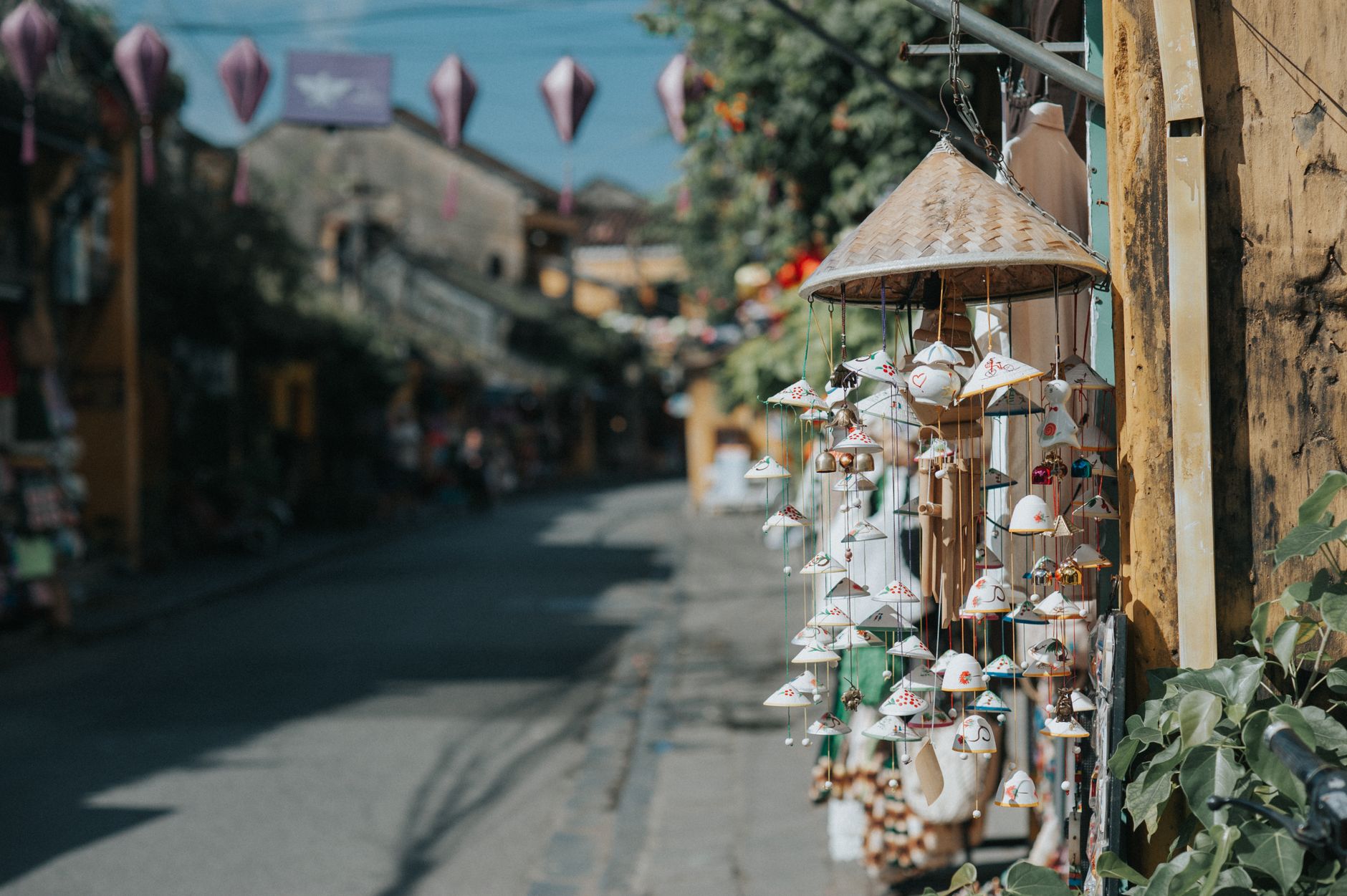
Ever wonder what truly authentic travel feels like beyond the guidebook? I traded crowded landmarks for forgotten traditions, celebrating local holidays with neighbors in Italy, Vietnam, and Mexico. Prepare to be inspired to discover the heart of a destination, one vibrant, community-led celebration at a time.
The year was 2017, and I was sitting in a bustling café in Florence, scrolling through my phone, meticulously planning my itinerary. Uffizi Gallery, Ponte Vecchio, Duomo… all the iconic boxes were being ticked. I was doing it right, right? I was seeing Italy. Or so I thought.
A sudden, raucous cheer from outside broke my concentration. Curious, I stepped out to see a procession winding its way through a narrow alley, led by a band playing lively, slightly out-of-tune music. People, not tourists, but local Florentines, were laughing, singing, and some even dancing with an abandon I hadn't yet witnessed in the polished tourist zones. A woman holding a basket of fresh focaccia offered me a piece with a warm smile and a gesture that clearly said, "Join us!"
That impromptu moment, witnessing a tiny, unlisted neighborhood celebration for a local patron saint, changed everything. It wasn't in any guidebook, didn't have a hashtag, and certainly wasn't drawing international crowds. It was just… life. And it was utterly captivating.
Since then, my travel philosophy has shifted dramatically. I’ve become a seeker of the unseen, a celebrator of the un-talked about. I’ve discovered that the most profound and authentic travel experiences often unfold when you step away from the grand narratives and into the intimate embrace of local holidays, shared not with fellow travelers, but with the very people who call these places home. These aren't just events; they are living testaments to culture, history, and community spirit. And trust me, they are infinitely more rewarding than another selfie at a crowded landmark.
### The Magic of the Unseen: Why Go Local?
We all crave authenticity when we travel. We want to "live like a local," yet so often we end up following the well-worn paths laid out for us by commercial tourism. But what if the real magic lies just a few streets over, in a celebration so intrinsically local that it hasn't been diluted by tourist dollars or Instagram trends?
Celebrating local holidays with neighbors means stepping into a different rhythm. It means understanding a community's values, its history, its joys, and even its sorrows, through shared rituals. You're not just observing; you're participating. You're not just seeing a culture; you're feeling its pulse. The food tastes better, the music resonates deeper, and the connections you make are richer because they are forged in genuine human interaction, not transactional tourism.
These experiences are often free or incredibly budget-friendly, focusing on community participation rather than commercial gain. They offer unparalleled photographic opportunities – not just of beautiful scenes, but of genuine human emotion and connection. And perhaps most importantly, they leave you with stories that no "top 10 must-see" list could ever deliver.
Let me take you on a journey to a few of these unforgettable moments.
### Italy's Coastal Secret: Festa di San Giovanni in Tellaro, Liguria
Imagine a tiny, jewel-box village clinging to the rugged Ligurian coast, its pastel houses tumbling down to the shimmering sea. This is Tellaro, often overshadowed by its more famous Cinque Terre neighbors. I stumbled upon its annual Festa di San Giovanni Battista (Feast of St. John the Baptist) in late June – a celebration where the sea itself plays a starring role.
My journey began with a scenic train ride to La Spezia (around €5-8 from Pisa or Genoa), followed by a local bus to Tellaro (€2-3). The village, usually a quiet haven, was abuzz with activity. Locals were decorating their balconies with colorful flags and intricate paper lanterns. The air hummed with anticipation, thick with the scent of salty sea air and freshly baked focaccia.
On the evening of June 24th, as dusk painted the sky in hues of orange and purple, the entire village gathered. What unfolded next was pure magic. Instead of a land procession, the statue of St. John the Baptist was carried by fishermen in a beautifully adorned boat, accompanied by a flotilla of smaller fishing vessels, all lit with flickering lanterns. The procession glided across the moonlit bay, a silent, reverent spectacle, while onlookers on the shore held candles, their faces illuminated by the soft glow.
Later, bonfires were lit on the rocky beach – not just any bonfires, but massive, carefully constructed pyres. Families gathered around, sharing homemade focaccia di Recco (a thin, cheesy focaccia that’s a local specialty, often costing €5-10 for a generous slice) and local white wine, singing old Ligurian songs. Children chased each other, their laughter echoing against the ancient stone walls. I found myself sharing a bottle of wine with an elderly couple, Nonna Maria and Nonno Enzo, who, despite the language barrier, communicated volumes with their smiles and the shared warmth of the fire. Enzo, a retired fisherman, recounted tales of storms weathered and bountiful catches, his eyes twinkling in the firelight.
Practical Tip:
To find events like this, look for local tourism office websites for smaller towns, or simply ask at your accommodation (B&Bs are often best for this!) about any upcoming "feste" or "sagre" (festivals or food fairs). Prices for local food are very reasonable, often just a few euros for incredible quality.
### Mekong Delta's Lantern Glow: Têt Trung Thu (Mid-Autumn Festival) in Can Tho, Vietnam
My next immersion took me to the serene, water-laden landscapes of Vietnam's Mekong Delta, specifically to a small village on the outskirts of Can Tho. I was there during Têt Trung Thu, the Mid-Autumn Festival, celebrated typically in September or early October. While big cities like Hanoi and Ho Chi Minh City have their grand displays, I wanted to experience it at its heart: within a family and local community.
I booked a homestay in a quiet village just outside Can Tho (around $15-25/night, including some meals), a place recommended by a fellow traveler who swore by its authentic charm. My hosts, the incredibly kind Mai family, welcomed me like an old friend. They were preparing for the festival, a time traditionally for family reunions and celebrating the harvest, especially for children.
The days leading up to the festival were a whirlwind of activity. I helped Mai's mother wrap bánh Trung Thu (mooncakes), a dense, sweet pastry filled with lotus seeds, salted egg yolks, or various pastes. Learning to fold the intricate patterns of the banana leaves was a meditative, fragrant experience. Each mooncake, lovingly crafted, felt like a piece of art (they cost about $1-3 each at local markets, but homemade are priceless).
On the evening of the full moon, the village transformed. Children, dressed in their finest clothes, paraded through the narrow pathways and over small bridges, carrying vibrant, homemade lanterns. Dragons and lions made of paper and bamboo danced to the rhythmic beat of drums, their movements surprisingly agile. The air was filled with the sweet scent of incense, the playful shouts of children, and the soft glow of countless lanterns, some shaped like stars, others like fish or rabbits, bobbing gently in the warm night.
I joined the Mai family, walking with their youngest daughter, Linh, who clutched her star-shaped lantern with fierce pride. We shared plates of fresh fruit and, of course, mooncakes, under the vast, moonlit sky. The simplicity, the pure joy of the children, and the quiet dignity of the elders were deeply moving. It wasn't about fireworks or grand spectacles; it was about family, tradition, and the passing of cultural heritage to the next generation.
Getting There & Around:
Can Tho is easily accessible by bus from Ho Chi Minh City (approx. 3-4 hours, $5-10). To get to smaller villages, local taxis or xe om (motorbike taxis) are readily available and affordable. Bargain politely for prices.
### Oaxaca's Barrio Beat: Fiesta de la Virgen de la Soledad, Mexico
My last unforgettable local dive brought me to Oaxaca City, Mexico, a place renowned for its vibrant culture, but often for its more famous festivals like Day of the Dead or Guelaguetza. I found myself there in mid-December, not for the international draw, but for a barrio fiesta honoring the city's patron saint, La Virgen de la Soledad (Our Lady of Solitude). This is a celebration deeply rooted in the heart of the Xochimilco neighborhood, one of Oaxaca’s oldest.
I was staying in a charming Airbnb in Xochimilco (around $30-50/night for a private room), and my host, Elena, a warm woman with a penchant for storytelling, was my guide. She explained that while the main Basilica de la Soledad has its ceremonies, the real soul of the fiesta happens in the surrounding streets and homes.
The days leading up to December 18th were filled with the sounds of preparations: women grinding corn for tamales, men setting up colorful papel picado (perforated paper banners) across the streets, and children practicing their traditional dances. The air was thick with the aroma of mole – rich, complex sauces that are a Oaxacan specialty – and roasting meats.
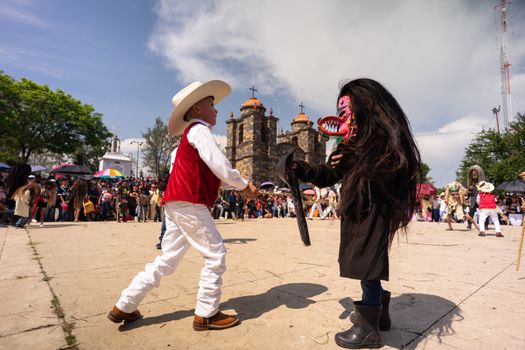
On the main day, the streets of Xochimilco exploded with color and sound. Competing brass bands (often called bandas de viento) filled the air with lively cumbias and traditional Oaxacan tunes. Giant mojigangas (papier-mâché puppets) danced through the crowds, their larger-than-life heads bobbing to the rhythm. Street vendors offered everything from tlayudas (crispy tortillas topped with beans, cheese, and meat, about $3-5) to sweet nieves (sorbets).
Elena took me to a neighbor's home, where a small, intimate calenda (procession) was forming. We joined in, walking with a group carrying offerings to the Virgin, the scent of copal incense filling the air. Later, we shared a feast of tamales, mole negro, and mezcal with Elena's extended family. I learned about the history of the neighborhood, the challenges they faced, and the unwavering faith that united them. The music, the food, the communal spirit – it was an intoxicating blend that left me feeling more connected to Oaxaca than any museum ever could.
Safety Tip:
While generally safe, crowded festivals anywhere can attract pickpockets. Keep your belongings secure and be aware of your surroundings, especially at night. Always ask permission before photographing people, especially during religious ceremonies.
### How to Unlock These Experiences: Your Actionable Guide
So, how do you find these hidden gems and integrate yourself respectfully? It's easier than you think, and it doesn't require a huge budget or a meticulously planned itinerary.
1. Be Flexible with Your Dates: Research local calendars. Many small festivals are tied to agricultural cycles, religious holidays, or historical events, and dates can shift slightly year to year. A quick Google search for "[Country/Region] local festivals [month]" can yield surprises.
2. Go Beyond the Capital Cities: While major cities have their charms, the most authentic local celebrations often thrive in smaller towns, villages, and specific neighborhoods (barrios, quartieri).
3. Book Local Accommodation: Stay in guesthouses, homestays, or locally-owned B&Bs. Your hosts are your best resource! They live there, they know what's happening, and they can often connect you directly to community events. Ask them, "Are there any local feste, fiestas, or celebrations happening while I'm here?"
4. Learn Basic Phrases: Even a few words in the local language ("hello," "thank you," "please," "delicious") can open doors and show respect. Duolingo or Google Translate are your friends.
5. Observe and Participate Respectfully: Watch what locals do. If they’re clapping, clap. If they’re dancing, try a few steps. Offer help if appropriate (e.g., setting up chairs if asked). Always ask permission before taking photos of people, especially children or during sacred moments.
6. Embrace the Food: Local festivals are often a culinary wonderland. Don't be shy – try the street food, the homemade specialties. It's usually incredibly fresh, affordable, and a huge part of the cultural experience. Budget for street food: often €1-5 per item.
7. Wander with Purpose (and Openness): Sometimes, the best way to find these events is to simply wander. Follow the sound of music, the scent of cooking, or a small procession. Be open to serendipity.
### Making the Most of Your Local Holiday Dive
Once you've found yourself amidst a local celebration, here are a few extra tips to ensure a meaningful and memorable experience:
* Dress Appropriately: For religious or traditional events, conservative clothing is usually best. Cover shoulders and knees as a sign of respect.
* Support Local Artisans: Many festivals feature local craftspeople. A purchase is not just a souvenir; it's a direct way to support the community and its traditions.
* Be a Guest, Not a Spectator: While you are an outsider, try to engage. Smile, make eye contact, accept invitations (within reason and safety parameters). You'll be amazed at the warmth and hospitality you receive.
* Prioritize Connection Over Perfection: Your photos might not be perfectly framed, and you might miss some details. That's okay. Focus on the moment, the feeling, the people. The memories will be far more vivid than any perfectly filtered shot.
* Stay Hydrated and Energized: Festivals can be long and often involve a lot of walking, standing, and dancing. Carry water and snacks, especially if you're exploring in warm climates.
* Leave No Trace: Be mindful of your environmental impact. Dispose of waste properly and respect the local environment.
### A Deeper Way to Travel
My experiences celebrating local holidays with neighbors have transformed my understanding of travel. They have taught me that the true essence of a place isn't found in its famous landmarks, but in the everyday magic, the shared laughter, the ancient rituals, and the simple generosity of its people. These are the moments that weave themselves into the fabric of your memory, leaving indelible marks and stories you’ll recount for years.
So, next time you're planning a trip, consider dedicating a portion of it to seeking out these hidden gems. Talk to locals, venture beyond the tourist brochures, and allow yourself to be swept up in the authentic rhythm of a community's celebration. It’s an act of respect, an adventure in itself, and a profound way to truly connect with the world.
Are you ready to trade the beaten path for the beating heart? Go forth, explore, and let us know what incredible local holidays you discover! Share your stories with #TripsoraLocalCelebrations and inspire others to dive deeper.
Visual journey

Tags
Share this adventure
Join the travel community
New adventures, cultural insights and travel inspiration, straight to your inbox.
We may receive a commission if you click on a link and buy a product, service or policy, at no extra cost to you. How affiliate links work.
Been there?