

For years, I mastered the art of skiplagging, saving a fortune on flights by bailing on the last leg. But my secret travel hack had a hidden cost, and now, my days of hidden-city ticketing are over. Read on to discover why I can't travel the same way anymore and the surprising consequences I faced. ---
The crisp morning air of Barcelona hit me like a revelation. I’d just stepped off a flight that, on paper, was supposed to continue to Rome. But here I was, phone tucked discreetly away, heart thumping with a mix of thrill and mild paranoia, ready to explore the Gothic Quarter. This was my life for a glorious period: a master of the "hidden-city" ticket, or as it's more commonly known, skiplagging. I’d saved thousands, visited countless cities on a shoestring, and felt like a travel genius who’d cracked the code. But like all good secrets, this one had an expiry date. And now, my days of skipping the last leg are firmly in the past. My travel game has changed forever, and honestly, it’s for the better.
### The Allure of the Loophole: How I Discovered My "Secret Hack"
It started innocently enough, a casual conversation in a hostel common room in Budapest. A seasoned backpacker, with a mischievous glint in his eye, shared his ultimate budget travel hack: "Why pay full price for a direct flight to your destination when a connecting flight beyond it, with a layover in your desired city, is cheaper?" My mind was blown. It sounded like magic, like getting a free upgrade to first class just by knowing a secret handshake.
The premise is simple: Airlines sometimes price connecting flights cheaper than direct flights to the layover city to compete with other routes or hubs. So, if you want to fly from City A to City B, but a ticket from City A to City C (with a layover in City B) is significantly cheaper, you book the A-C ticket and simply get off at City B, skipping the final leg to City C. My first successful attempt was a flight from London to Berlin, with a layover in Amsterdam. The direct flight to Amsterdam was £150, but the flight to Berlin via Amsterdam was only £90. You can bet I was strolling through Amsterdam's canals, smug as could be, for a fraction of the cost.
The thrill wasn't just in the savings, though that was a huge part of it. It was the feeling of outsmarting the system, of uncovering a hidden pathway to more adventures. For a budget-conscious traveler like me, it felt like unlocking a cheat code for endless exploration.
### My Golden Era: Skiplagging Adventures and Savvy Savings
For a solid two years, skiplagging became my go-to strategy for short trips and spontaneous getaways. I became a connoisseur of flight routes, always on the hunt for those sweet, sweet layover deals.
One memorable trip involved flying from New York City to Miami. A direct flight was pushing $300. But a flight from NYC to Cancún, Mexico, with a layover in Miami, was a mere $180! I packed a small carry-on, made sure my passport was tucked away for the "international" segment I wouldn't be taking, and landed in Miami with an extra $120 in my pocket. That's a fancy dinner and a couple of mojitos right there! I spent a blissful weekend soaking up the South Beach sun, entirely oblivious to the plane that had continued its journey to Mexico without me.
Another time, I managed to snag a flight from Frankfurt to Lisbon for just €70 by booking a connecting flight to Marrakech, Morocco, that stopped in Lisbon. The direct flight to Lisbon was almost double that! I spent four incredible days exploring the Alfama district, sampling pasteis de nata, and riding Tram 28, all thanks to my "secret" ticket. It wasn’t just about the money; it was about the freedom it afforded. Suddenly, weekends in new cities felt entirely within reach.
I developed a strict set of rules for skiplagging:
1. Carry-on only: Absolutely no checked luggage, as it would be checked through to the final destination (City C), not your desired layover (City B).
2. One-way only or separate return: Always book a one-way ticket for the skiplagging segment, or ensure your return flight is booked separately and doesn't rely on the "skipped" itinerary. Airlines will often cancel all subsequent flights in your itinerary if you miss a leg.
3. No loyalty programs: Avoid linking your frequent flyer number. Accumulating miles or status makes you more visible to airlines and could put your hard-earned benefits at risk.
4. Discretion: Never, ever mention your intentions to airline staff. Act like a normal passenger.
These rules kept me safe and sound for a while, allowing me to explore places like Dublin via a flight to Glasgow, or Rome via a flight to Athens. The world felt smaller, more accessible, and my wallet felt a lot happier.
### The Red Flags Emerge: When the Airlines Started Noticing
The travel industry isn't stupid. This "hack" isn't a secret to them. Airlines view skiplagging as a breach of their contract of carriage, essentially costing them money by taking advantage of their pricing structures. They call it "hidden-city ticketing" and they do not like it.
My first brush with potential trouble was subtle. I was flying from San Francisco to Portland, Oregon, but had booked a flight to Vancouver, Canada, with a layover in Portland, saving about $75. As I approached the gate in SFO, the agent paused, looked at my boarding pass, then looked at me. "Mr. [My Last Name], heading to Vancouver?" she asked, her tone flat. "Yes, ma'am," I replied, my voice a little too high, trying to project an air of nonchalance. She just nodded, but the interaction left a knot in my stomach. Had they flagged something? Was I on a list?
Over time, I started noticing more sophisticated checks. Some airlines would re-route flights, making my intended layover no longer feasible. Others would specifically mention the final destination during boarding calls, seemingly trying to catch anyone who looked confused. The thrill began to be replaced by a low hum of anxiety. Each successful skiplag felt less like a triumph and more like a gamble. I was constantly looking over my shoulder, fearful of what might happen if I got caught.
The convenience of linking family bookings, or even having a simple checked bag, became impossible. My travel became entirely solo, and utterly reliant on my small backpack. While I championed minimalist travel, this felt less like a choice and more like a constraint. The "freedom" was slowly eroding.
### The Day My Travel World Changed: Consequences and Penalties
The turning point came on a trip I had planned to visit friends in Denver. A direct flight from Chicago was expensive, so I booked a flight from Chicago to Seattle, with a layover in Denver. It was a perfect plan, or so I thought.
I boarded the flight, settled in, and upon landing in Denver, I confidently headed for the exit. As I scanned my boarding pass at the jet bridge, the scanner beeped loudly, and a stern-faced gate agent appeared. "Sir, your connecting flight to Seattle is boarding in 10 minutes from Gate B23," she stated, blocking my path. My heart sank. "Oh, I... I decided to stay here," I stammered, trying to sound convincing.
Her expression didn't change. "That's not how our tickets work, sir. You are booked to Seattle. Skipping a leg is a violation of our terms and conditions." She then informed me that not only was my return flight to Chicago (booked on the same airline, a mistake I knew better than to make but had done out of convenience) immediately cancelled without refund, but my frequent flyer account had been flagged, and all accumulated miles were frozen and under review. The airline was also considering invoicing me for the difference between the full direct fare to Denver and what I had paid.
The blood drained from my face. The "savings" on that one trip were immediately dwarfed by the cost of a new, last-minute return flight and the potential loss of years of accrued miles – miles I had hoped to use for a dream trip to Japan. The feeling wasn't just embarrassment; it was a profound sense of foolishness and regret. My carefully constructed world of travel hacks crumbled. I felt like a criminal, exposed and vulnerable. This wasn't just a minor inconvenience; it was a significant financial hit and a stain on my travel record with a major airline. My "secret" had finally caught up to me, and the hidden cost was far greater than any perceived saving. I realized then that I couldn't travel the same way anymore. The peace of mind was gone, replaced by a constant fear of being "caught" again.
### Beyond Skiplagging: Smarter, Safer Ways to Save on Flights
After that incident, I vowed to change my approach. The anxiety and the potential penalties simply weren't worth it. I've spent the last year exploring legitimate, stress-free ways to save on flights, and I'm happy to report that smart travel doesn't have to involve bending the rules.
Here are my go-to strategies now:
* Be Flexible with Dates and Destinations: This is truly the golden rule of budget travel. Instead of fixing on a specific date, use tools like Google Flights' "Explore" map or Skyscanner's "Everywhere" feature to see where you can go cheaply. Flying mid-week or during the shoulder season (just before or after peak season) can save you hundreds. I recently flew to Portugal in late September for half the price of a July trip, and the weather was still glorious!
* Set Price Alerts: Almost every major flight comparison site (Google Flights, Kayak, Hopper) allows you to set up email alerts for specific routes. I tracked a flight to Thailand for months and snagged a round-trip ticket for $650 when it dipped during a flash sale.
* Consider Alternative Airports: Sometimes flying into a smaller, secondary airport near your destination can be significantly cheaper. For example, flying into London Stansted (STN) or Luton (LTN) instead of Heathrow (LHR) or Gatwick (LGW) can often save you a good chunk, especially with budget carriers. Just factor in the cost and time of transport to the city center.
* Leverage Loyalty Programs (Legitimately!): Now that my frequent flyer account is back in good standing, I strategically use airline loyalty programs and co-branded credit cards. Signing up for travel credit cards with generous welcome bonuses can earn you tens of thousands of miles, often enough for a free international flight. I just used points to book a business class flight to Japan, a trip I once dreamt of, without any illicit tactics.
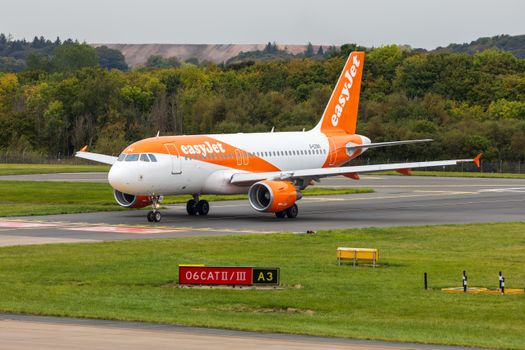
Embrace Budget Airlines (with caveats): Airlines like Ryanair, EasyJet, Spirit, and Frontier offer incredibly low base fares. Just be aware of their strict baggage policies, seat selection fees, and other add-ons. If you travel light and don't need frills, they can be fantastic for short-haul flights. Always calculate the final* cost, including all fees, before booking.
* Book in Advance (but not too far): Generally, booking 2-3 months in advance for international flights, and 1-2 months for domestic flights, yields the best prices. Booking too early (6+ months) or too late (within a few weeks) usually means higher fares.
* Utilize Incognito Mode/VPN: While not a guaranteed hack, some believe that clearing your browser cookies or using incognito mode can prevent dynamic pricing (where prices increase if you repeatedly search for the same flight). It’s worth a shot!
### The Ethical Traveler: My New Philosophy
My skiplagging saga taught me a profound lesson about the true cost of "saving." The anxiety, the potential penalties, and the ethical grey area simply aren't worth the perceived savings. Travel, for me, is now about peace of mind. It’s about transparency, respect for the system, and building a positive relationship with airlines.
Beyond the personal consequences, there's also an ethical dimension. Airlines operate on thin margins, and while their pricing strategies can be frustrating, deliberately circumventing them affects their bottom line, potentially leading to higher fares for everyone or fewer route options. As travelers, we are part of a global ecosystem. Being a responsible, ethical traveler means understanding and respecting the rules, even when they seem inconvenient.
Moreover, legitimate bookings offer a safety net. In cases of flight cancellations, delays, or emergencies, an airline will rebook you or offer assistance if you're traveling on a valid itinerary. If you've skipped a leg, you're on your own. Imagine being stranded in a foreign city with no onward flight and no airline support – a nightmare scenario I now actively avoid.
The feeling of stepping off a flight, knowing I’m exactly where I’m supposed to be, with no fear of retribution, is incredibly liberating. I can check a bag, use my frequent flyer miles, and engage with airline staff without a shred of anxiety. My travel experiences are richer now because they're built on honesty and respect, not on a precarious secret.
So, while the thrill of the "hack" was undeniable, the long-term benefits of legitimate, smart travel far outweigh the fleeting satisfaction of beating the system. My travel days of skipping the last leg are well and truly over, and I wouldn't have it any other way.
Have you ever been tempted by skiplagging, or perhaps even tried it? What are your favorite legitimate ways to save on flights? Share your stories and tips in the comments below! And for more ethical travel hacks and inspiring destinations, make sure to subscribe to Tripsora. Let's travel smarter, together!
---
Visual journey



Tags
Share this adventure
Join the travel community
New adventures, cultural insights and travel inspiration, straight to your inbox.
We may receive a commission if you click on a link and buy a product, service or policy, at no extra cost to you. How affiliate links work.
Been there?