
Brace yourself for a culinary confession: I once recoiled at the thought of eating insects. But a single brave bite not only surprised my taste buds but utterly revolutionized the way I approach travel, food, and cultural immersion forever. Join me on a crunchy, delicious journey that might just inspire your next extraordinary adventure! ---
### The Crunch Heard 'Round My World: How a Plate of Bugs Transformed My Travels
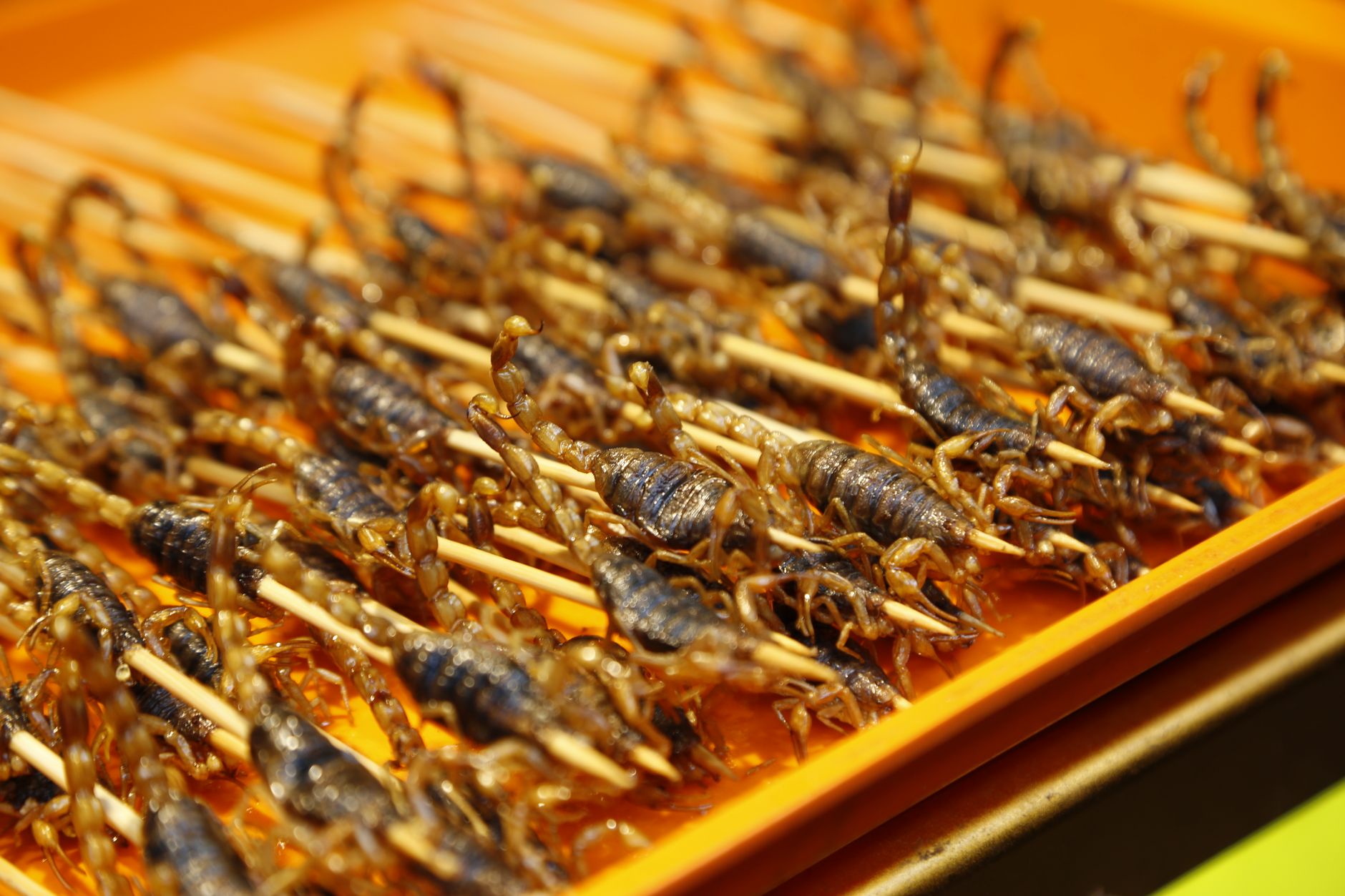
The humidity hung heavy in the air, thick with the scent of lemongrass, chili, and something else… something a little unsettling. I was in Bangkok, Thailand, standing paralyzed in front of a bustling street food stall on Khao San Road, clutching a sweating bottle of Singha. Before me, laid out in neat, glistening piles, were deep-fried crickets, grasshoppers, silkworms, and even — gulp — scorpions. My stomach did a nervous flip. This was it. The moment I’d both dreaded and secretly yearned for. My first real foray into entomophagy.
For years, I’d considered myself an adventurous eater. I’d tackled durian, embraced fiery curries, and even sampled fermented shark in Iceland. But insects? That felt like a line I was hesitant to cross. It was ingrained in my Western upbringing: bugs were pests, not plates. Yet, a part of me, the part that craved authentic experiences and challenged my own preconceptions, knew I had to try. This wasn't just about ticking off a bucket list item; it was about breaking down a mental barrier. Little did I know, that single, crunchy bite would not only defy my expectations but fundamentally reshape my entire approach to travel, culture, and what it truly means to be open to the world.
### The First Bite: From Skeptic to Snacker in Bangkok
My internal monologue was a chaotic battlefield. "Don't be a wuss," one voice urged. "This is disgusting, you'll regret it," countered another. The vendor, a cheerful woman with a dazzling smile, scooped up a handful of golden-brown crickets with a practiced hand. "Fifty baht," she chirped, holding out a small plastic bag. My heart hammered. I handed over the money, my hand trembling slightly.
Taking a deep breath, I selected the smallest cricket. It looked… well, like a fried cricket. Its little legs were curled, its antennae delicate. I brought it to my nose. A faint, savory aroma, reminiscent of toasted nuts or maybe even a very crispy potato chip. Okay, not as bad as I’d imagined. With a surge of adrenaline, I popped it into my mouth.
Crunch.
The sound was surprisingly satisfying, like a tiny, delicate potato chip. And the taste? Oh. My. Goodness. It was nutty, slightly earthy, and undeniably savory, with a hint of salt and perhaps a whisper of chili. Not slimy. Not gross. Just… delicious. My eyes widened. I took another. Then another. Soon, the bag was empty, and I was grinning like a Cheshire cat. The mental barrier had crumbled, replaced by a surge of exhilaration and a profound sense of accomplishment. This wasn't just food; it was a revelation. It tasted better than expected, and in that moment, my travel philosophy began its transformation.
### Beyond the Buzz: A World of Edible Insects
That initial cricket in Bangkok was merely the appetizer to a much larger culinary world. I quickly learned that entomophagy – the practice of eating insects – is not some fringe novelty but a deeply ingrained cultural tradition for billions across the globe. It's a testament to human ingenuity and adaptability, a sustainable food source utilized for millennia.
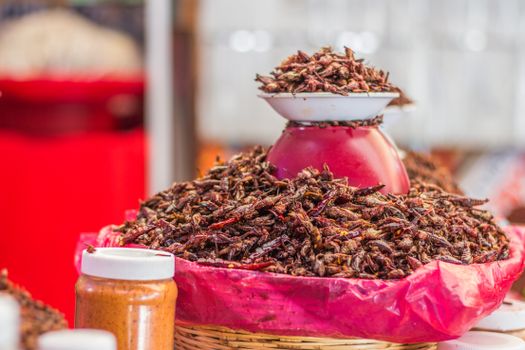
From the vibrant markets of Mexico to the remote villages of Laos, insects offer a dizzying array of textures and flavors. In Oaxaca, Mexico, I discovered chapulines (grasshoppers) – roasted with chili, lime, and garlic, they have a zesty, addictive crunch, often served as a snack or sprinkled over tacos and guacamole. A small bag at Mercado Benito Juárez would set me back about 50-100 MXN, offering a burst of authentic flavor.
In Cambodia, particularly around Siem Reap, the adventurous can sample deep-fried tarantulas. Yes, you read that right. While initially daunting, the body (once the fangs are removed) is surprisingly meaty, like a soft-shell crab, while the legs are delightfully crispy. Prices vary, but a single tarantula might cost 5-10 USD, often found in smaller night markets or specialized stalls near Pub Street.
Then there are the silkworms – often stir-fried or deep-fried, they have a creamy, almost buttery texture on the inside, encased in a slightly crisp exterior. Or ant larvae, known as escamoles in Mexico – sometimes called "insect caviar" – with a delicate, buttery, nutty flavor, often sautéed with butter and spices. Each encounter was a lesson in diversity, proving that insects are not a monolithic food group, but a spectrum of unique gastronomic experiences.
### Why Eat Insects? The Surprising Benefits (and Why You Should Try It)
My journey wasn't just about taste; it was about understanding the why. Why do so many cultures embrace insects, and why should we, as global citizens, consider them? The reasons are compelling and profoundly linked to sustainable travel and a responsible approach to food.
1. Nutritional Powerhouses: Insects are incredibly nutritious. They're packed with high-quality protein, often comparable to or even exceeding beef or fish, along with essential amino acids. Many are rich in healthy fats, fiber, vitamins (like B12, iron, zinc, and magnesium). For instance, crickets are a complete protein source, and gram for gram, can contain more iron than beef. This makes them a fantastic energy source for travelers.
2. Environmental Sustainability: This is where the "transformed how I travel" truly resonates. Rearing insects requires significantly less land, water, and feed compared to traditional livestock. They produce fewer greenhouse gases and generate less waste. As I became more aware of my travel footprint, choosing insect-based snacks or meals felt like a small but meaningful step towards supporting more sustainable food systems. It's a truly ethical and eco-conscious food choice.
3. Cultural Immersion: Eating insects is a direct pathway to understanding local cultures. It's about respecting ancient traditions, engaging with local vendors, and sharing a fundamental human experience – food. It broke down barriers for me, leading to more profound conversations and connections with locals who were often delighted by my willingness to try their traditional fare. It fostered a deeper sense of authenticity in my travels.
4. Flavor and Adventure: Let's be honest, it's also incredibly exciting! It pushes your culinary boundaries, expands your palate, and creates unforgettable stories. The surprise of discovering a new favorite flavor, the thrill of overcoming a personal challenge – these are the moments that make travel truly transformative.
### Where to Find Your First (or Next) Bug Feast: Practical Tips & Locations
Ready to take the plunge? Here's how to navigate the world of edible insects like a seasoned pro:
* Thailand (Bangkok, Chiang Mai): This is arguably the easiest and most accessible place to start.
* Locations: Khao San Road (tourist-friendly but genuine), Chatuchak Weekend Market, local night markets (e.g., Rot Fai Market Ratchada).
* What to try: Fried crickets (Jing Reed), grasshoppers (Takatan), silkworms (Mon Mai), bamboo worms (Rot Duan). Less common but available are scorpions and tarantulas.
* Prices: A small bag (enough for a few adventurous bites) typically costs 50-100 THB (approx. $1.50-$3 USD). Larger portions or more exotic items like scorpions might be 150-200 THB.
* Best Time: Evening markets are when vendors are most active, often from 6 PM onwards.
* Mexico (Oaxaca, Mexico City): A fantastic destination for savory insect experiences.
Locations: Mercado Benito Juárez and Mercado 20 de Noviembre in Oaxaca are prime spots for chapulines. You'll find them in various preparations – plain, chili-lime, garlic. In Mexico City, look for higher-end restaurants serving escamoles (ant larvae) or gusanos de maguey* (maguey worms).
What to try: Chapulines (grasshoppers), escamoles (ant larvae), gusanos de maguey* (maguey worms).
Prices: A small bag of chapulines for snacking in Oaxaca is usually 50-150 MXN (approx. $2.50-$7.50 USD). Escamoles and gusanos de maguey* are considered delicacies and can be pricier, often 200-500 MXN for a dish in a restaurant.
* Best Time: Markets are active throughout the day, especially mornings and early afternoons.
* Cambodia (Siem Reap, Phnom Penh): For the truly daring.
* Locations: Night markets around Pub Street in Siem Reap often have vendors with tarantulas and scorpions. Smaller local markets outside tourist centers might offer more variety like crickets and grubs.
* What to try: Deep-fried tarantulas, scorpions, crickets, silkworms.
* Prices: A tarantula or scorpion typically costs 5-10 USD. Crickets and silkworms are cheaper, often a few dollars for a small bag.
* Best Time: Evening markets.
Safety Tips:
* Buy Cooked: Always ensure insects are thoroughly cooked (deep-fried, roasted, sautéed) to eliminate pathogens. Avoid raw insects unless explicitly prepared by a reputable, high-end establishment.
* Reputable Vendors: Purchase from vendors with busy stalls and good hygiene practices. Look for fresh-looking insects, not those that appear stale or sitting out for too long.
* Start Small: If you're hesitant, begin with smaller, easier-to-identify insects like crickets or grasshoppers.
* Allergies: If you have allergies to shellfish, be cautious. Insects and crustaceans share similar protein structures, so cross-reactivity is possible.
* Listen to Your Body: If something doesn't look or smell right, don't eat it.
### My Favorite Bug Bites & Unforgettable Moments
Beyond the initial cricket, my entomophagy journey has been peppered with unforgettable moments and surprisingly delicious discoveries.
One evening in Oaxaca, I was coaxed into trying escamoles. The restaurant was a charming, traditional spot, and the dish arrived looking like a mound of tiny, white pearls sautéed in butter with epazote. The texture was delicate, almost creamy, and the flavor was a sophisticated, buttery nuttiness. It was nothing short of exquisite, a true delicacy that shattered any remaining "ick" factor I might have harbored. The chef, noticing my delight, came out to chat, sharing stories of how these "ant caviar" have been harvested from agave plants for centuries. That conversation, sparked by a shared plate of insects, deepened my appreciation for Mexican culinary heritage.
Another highlight was in Laos, exploring a small village market. A woman offered me a skewer of what looked like oversized larvae, grilled over an open flame. I hesitated, but her warm smile and encouraging gesture won me over. The taste was smoky, rich, and surprisingly juicy, with an almost mushroom-like earthiness. We communicated through smiles and gestures, and that simple shared meal, sitting on a tiny stool amidst the bustling market, felt profoundly authentic and connecting. It wasn't just about the food; it was about the moment, the connection, the sheer joy of experiencing something completely new and sharing it with a local.
These experiences weren't just about trying something exotic; they were about embracing vulnerability, challenging my own ingrained biases, and allowing myself to be fully present in a new culture. Each bug bite was a tiny act of rebellion against my comfort zone, a step further into the unknown, and each time, the reward was richer than I could have imagined.
### Beyond the Plate: How Insects Changed My Travel Philosophy
That first crunchy cricket in Bangkok was more than just a snack; it was a catalyst. It transformed me from a traveler who sought out new experiences to one who actively embraced the uncomfortable, the unfamiliar, and the delightfully unexpected. It taught me that true adventure lies not just in seeing new sights, but in tasting new flavors, understanding different perspectives, and shedding preconceived notions.
Eating insects opened my mind to the incredible diversity of human cuisine, the ingenuity of sustainable food practices, and the profound connections that can be forged over a shared meal, no matter how unconventional. It made me a more curious, more empathetic, and more adventurous traveler. I now actively seek out the "weird" and the "unusual" on my trips, knowing that often, those are the experiences that yield the greatest insights and the most memorable stories.
So, the next time you find yourself in a bustling market, confronted by a pile of crispy critters, take a deep breath. Channel your inner adventurer. Buy that bag of crickets, or chapulines, or silkworms. You might just surprise yourself. You might just discover a new favorite snack. And who knows? That one bite might just change the way you see the world, one delicious, crunchy insect at a time.
Are you ready to take the leap? Share your first insect-eating experience (or your dreams of it!) in the comments below!
---
Visual journey



Tags
Share this adventure
Join the travel community
New adventures, cultural insights and travel inspiration, straight to your inbox.
We may receive a commission if you click on a link and buy a product, service or policy, at no extra cost to you. How affiliate links work.
Been there?