
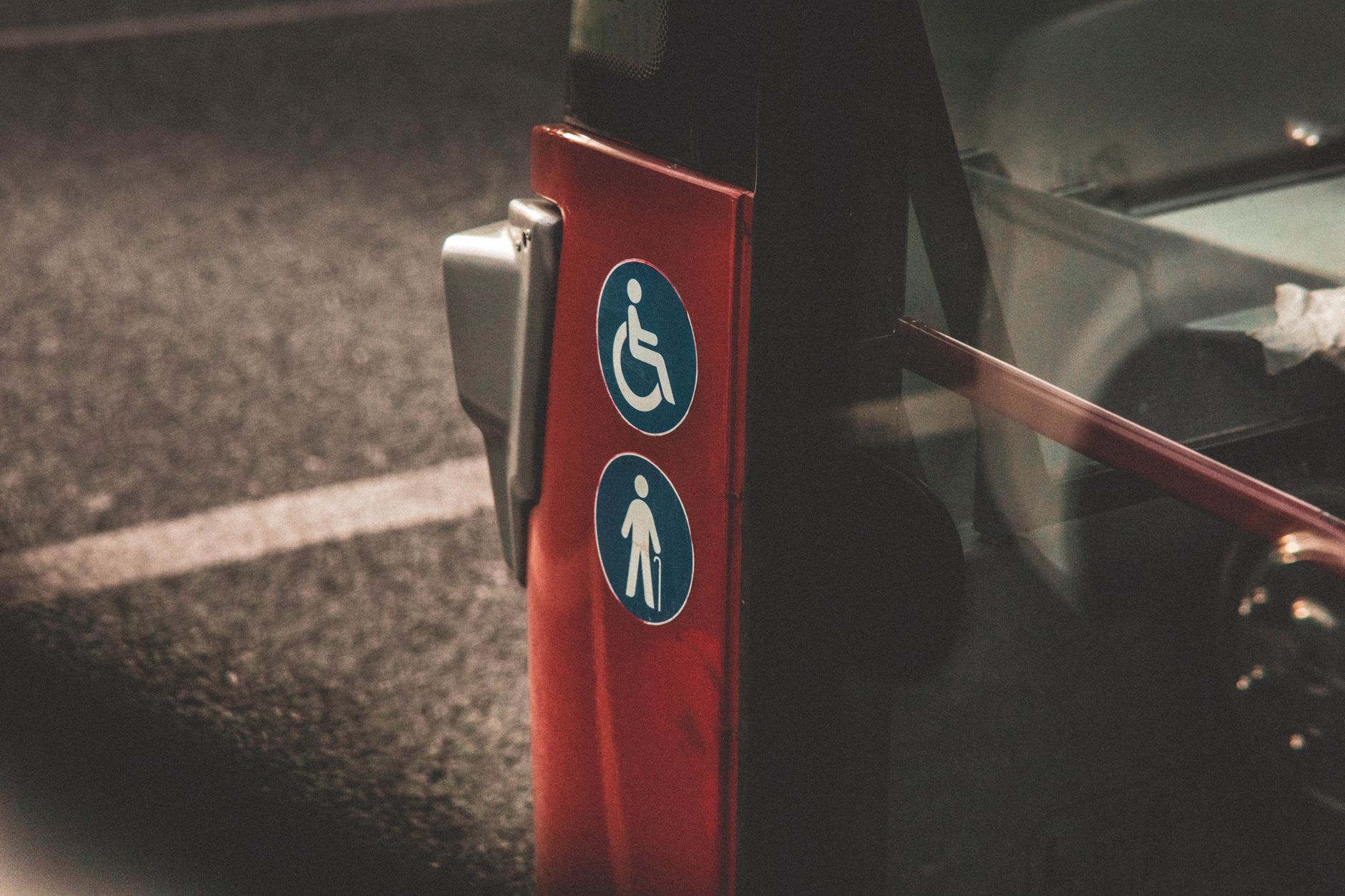
Forget limitations and embrace the open road! This isn't just a guide; it's an invitation to a world where travel with special needs isn't just possible, it's an exhilarating journey of discovery and thriving that will inspire you to pack your bags and redefine adventure. ---
## Unlocking Adventure: How We Travel with Special Needs and Thrive That Nobody Talks About
The salty air hit my face, a refreshing slap against the usual humid Bangkok heat. Below, the turquoise waters of Maya Bay sparkled, but what truly caught my breath wasn't just the view – it was the sight of my son, Leo, his face alight with pure joy, strapped into his adaptive life vest, ready for our accessible longtail boat adventure. Just five years ago, the thought of this moment felt like an impossible dream. Traveling with a child who has complex special needs – for us, it’s a combination of cerebral palsy, non-verbal autism, and a love for deep pressure – felt like an insurmountable challenge. The endless "what ifs" piled up: what if he has a meltdown? What if the place isn't accessible? What if we're a burden?
For years, we let those fears dictate our lives. We watched others post their globetrotting adventures, a pang of longing in our chests. But then, something shifted. We realized that while the world might not always be designed for us, we could design our own way to experience it. We learned to plan, to advocate, and most importantly, to embrace the beautiful chaos of adaptive travel. And in doing so, we didn't just survive our trips; we thrived. This isn't a story about overcoming; it's a story about adapting, exploring, and finding profound joy in shared experiences. This is how we travel with special needs and truly thrive, and it's an adventure waiting for you too.
### The Mindset Shift: From "Can We?" to "How Can We?"
The biggest barrier to accessible travel isn't always physical; it's often psychological. For years, our internal monologue was dominated by "Can we even try?" This question often led to inaction, fueled by anxiety and the sheer mental load of parenting a child with special needs. The pivotal shift came when we reframed it to "Okay, this is our reality. How can we make this work?"
This mindset shift was revolutionary. It moved us from a place of limitation to one of creative problem-solving. We stopped comparing our potential trips to those of neurotypical, able-bodied families. Our adventures would look different, yes, but they would be no less rich, no less authentic, and often, far more meaningful.
One of our first "how can we?" moments was planning a trip to a quiet cabin in the Smoky Mountains. Leo struggles with loud noises and crowds, so Disney World was out. But a cabin with a hot tub? That sounded perfect. We focused on what would work for him – sensory input from water, quiet natural surroundings, a predictable routine within a new setting. This trip, though modest, proved to us that successful travel wasn't about conquering the "hardest" destinations, but about finding the "right" ones for us.
Actionable Tip:
Before you even pick a destination, sit down and list your family's specific needs and preferences. What are the absolute non-negotiables? What are the biggest potential triggers? What brings your loved one joy and comfort? Use this as your compass, not an anchor.
### The Art of Meticulous Planning: Your Pre-Trip Blueprint
Spontaneity is a luxury we rarely afford ourselves when traveling with special needs, and frankly, we've learned to love the meticulous planning process. It’s our superpower, turning potential pitfalls into navigable paths.
1. Research, Research, Research (and Then Call!):
Online resources are invaluable, but don't stop there. Google "accessible [destination name]" or "sensory-friendly [attraction]." Look for blogs by other special needs families. But the true gold is direct communication.
Accommodations: When booking a hotel, don't just click "accessible room." Call them.* Ask specific questions: "Is the bathroom truly roll-in with grab bars, or just a wider door?" "What's the bed height?" "Are there visual fire alarms if needed?" "Is there a quiet space we can request near our room?" We once booked a hotel in Rome that promised accessibility; upon arrival, the "accessible shower" was a tiny tub with a handheld sprayer and no seat. Lesson learned: photos lie, direct questions don't (as often). When we visited Barcelona, we called Hotel Jazz, and they walked us through their entire accessible suite via video call – that’s the level of detail you need!
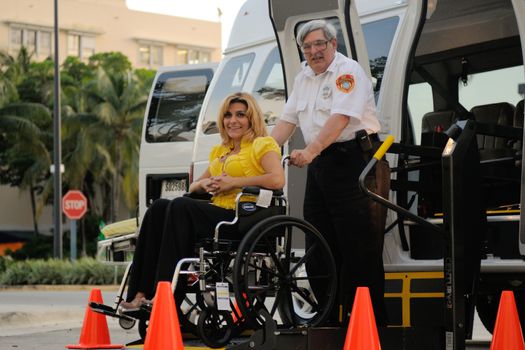
Transportation: For flights, always contact the airline's special assistance desk before* booking. Discuss wheelchair services, priority boarding, seating preferences (bulkhead for extra space, window for less distraction), and medical equipment. We always request "Special Assistance" even for minor needs; it streamlines the process. On a flight to Costa Rica, their pre-arranged assistance meant we bypassed long security lines, a huge win for Leo's sensory sensitivities. For trains or buses, check their websites for accessibility statements and call local customer service.
* Activities & Attractions: Many major attractions (e.g., museums, theme parks, national parks) offer accessibility guides online, sensory maps, or quiet hours. Call ahead to inquire about specific accommodations, quiet rooms, fast-pass options for disabilities, or even if they have ear defenders available. When we visited the Louvre in Paris, pre-booking our accessible entrance and knowing about their quiet accessible routes made all the difference.
2. Medical & Emergency Preparedness:
* Documentation: Carry copies of medical records, diagnoses, medication lists (with generic names), doctor's notes for medical equipment/medications, and emergency contacts. Keep both physical and digital copies.
* Insurance: Invest in comprehensive travel insurance that covers pre-existing conditions and medical emergencies abroad. Read the fine print!
* Local Contacts: Research local hospitals, pharmacies, and emergency numbers at your destination. Knowing where to go for help provides immense peace of mind.
3. Budgeting for Contingencies:
Accessible travel can sometimes incur extra costs (e.g., larger vehicle rentals, specialized tour guides, travel insurance). Factor these in. Also, build in a buffer for unexpected expenses – a taxi when public transport isn't working, or an extra night if a change of plans is needed. We’ve found that allocating an extra 10-15% of our budget for "flexibility" has saved us from several stressful situations.
### On the Ground: Navigating Destinations Like a Pro
Once you've landed, it's time to put that planning into action. But remember, flexibility is key – even the best plans need tweaking.
1. Getting Around:
* Public Transport: Many major cities (like Barcelona, Singapore, and even parts of Tokyo) have surprisingly accessible metro systems. Look for elevators and accessible routes. In Barcelona, the metro has dedicated accessible lines, and the city buses are mostly low-floor. This saved us a fortune compared to taxis.
* Accessible Taxis/Ride-Shares: Research local accessible taxi services in advance. In some cities (e.g., London, NYC), wheelchair-accessible taxis are common. Ride-share apps like Uber and Lyft often have an "Access" option, but availability varies wildly. In smaller towns in Vietnam, we often hired a private driver for the day, negotiating a price for a vehicle that could accommodate Leo's folded adaptive stroller.
* Walkability & Terrain: Always check Google Street View for sidewalks, curbs, and general terrain. We learned this the hard way trying to navigate cobblestone streets in Prague – beautiful but brutal for a wheelchair. For our trip to Kyoto, Japan, we discovered that while many temples have steps, the city itself boasts fantastic accessible sidewalks and train stations. Many temples also offer alternative routes or even loan wheelchairs for specific areas.
2. Dining Out & Sensory Experiences:
* Call Ahead: Inform restaurants about dietary needs, allergies, or if you need a quiet table away from the kitchen or loud music. Many places are happy to accommodate.
* Timing is Everything: Eating during off-peak hours can mean fewer crowds, less noise, and more attentive service, making the experience more comfortable for someone with sensory sensitivities.
* Local Markets & Picnics: These can be fantastic for sensory seekers (vibrant colors, smells) and sensory avoiders (control over food choices, ability to leave if overwhelmed). A picnic in a local park with fresh market produce is often one of our most cherished, low-stress meals. In Paris, a baguette, cheese, and fruit from a local market, enjoyed by the Seine, was a perfect, budget-friendly, and sensory-friendly meal.
3. Cultural Insights & Local Perspectives:
Different cultures have varying approaches to disability. In some Asian cultures, there's a strong emphasis on family care, and you might find more direct assistance offered. In Europe, accessibility standards are often legally mandated in newer infrastructure, but older areas can be challenging. Always approach interactions with respect and an open mind. A simple "hello" and a smile, even with language barriers, can open doors to incredible kindness. We’ve found that learning a few basic phrases in the local language, especially "hello," "thank you," and "can you help?" goes a long way.
### Unlocking Unique Experiences: Beyond the Typical Tourist Trail
This is where the "thriving" truly begins. We don't just see places; we experience them in ways tailored to our needs, often leading to more authentic and memorable adventures.
1. Adaptive Activities:
The world of adaptive sports and recreation is growing exponentially!
* Accessible Nature: Many national parks worldwide offer accessible trails, viewing platforms, and even adaptive equipment rentals. In Zion National Park, Utah, we found beautifully paved accessible trails that allowed Leo to experience the majesty of the canyon up close.
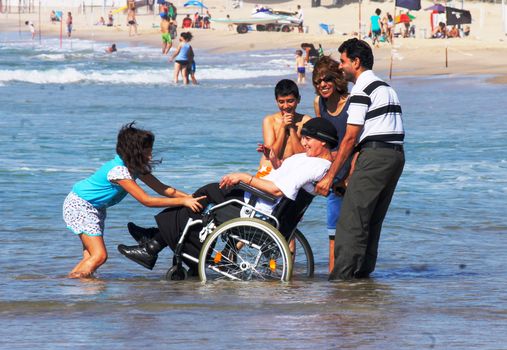
* Water Sports: Adaptive kayaking, paddleboarding, and even surfing are becoming more available. We found a fantastic operator in Krabi, Thailand, who had an accessible longtail boat and staff trained to assist Leo into a kayak, allowing him to paddle with us in a calm lagoon. The sheer joy on his face, feeling the water, was priceless.
* Sensory Gardens & Museums: Many botanical gardens and museums now have dedicated sensory gardens or sensory-friendly exhibits, allowing for a calming and engaging experience. The Gardens by the Bay in Singapore, with its diverse sensory experiences and incredible accessibility, was a huge hit for us.
2. Immersive Cultural Experiences:
* Cooking Classes: Many cooking schools can accommodate various needs. It's a fantastic way to engage senses and learn about local culture. We once took a private, adapted pasta-making class in Florence, Italy, where Leo could engage with the dough and smells, creating a lasting memory.
* Local Markets (Quiet Hours): As mentioned, markets can be great. Early mornings are often quieter, allowing for a less overwhelming experience while still soaking in the local flavor.
* Performances: Look for sensory-friendly performances or shows specifically designed for individuals with sensory sensitivities.
Budget Tip:
Look for free accessible attractions like parks, public gardens, and scenic viewpoints. Many museums offer free admission days or reduced rates for individuals with disabilities and their caregivers.
### Our Go-To Gear & Gadgets: Packing Smart for Smooth Sailing
Packing efficiently is crucial. Every item needs to earn its space in our luggage.
* Adaptive Equipment:
* Portable Ramp: A lightweight, foldable ramp has been a lifesaver for conquering unexpected steps or high curbs.
* Specialized Stroller/Wheelchair: Ensure it's travel-friendly and durable. We use an adaptive umbrella stroller that folds compactly and is lightweight enough for air travel.
Medical Supplies: Pack at least* double the amount of medication you think you'll need, split between different bags in case one gets lost. Include syringes, feeding tube supplies, catheters, or anything essential.
* Sensory Support:
* Noise-Canceling Headphones: A non-negotiable for busy airports, loud restaurants, or crowded attractions.
* Fidget Toys/Comfort Items: Familiar items from home can provide immense comfort and regulation in new environments. Leo always has his weighted blanket and a specific chew toy.
* Visual Schedule/Communication Aids: For non-verbal individuals, picture cards or a communication tablet can ease transitions and aid understanding.
* Technology & Apps:
* Translation Apps: Google Translate or similar can bridge language barriers quickly.
* Navigation Apps: Google Maps, Apple Maps, or local apps often show accessible routes or public transport options.
* Medical Alert Apps: Consider apps that store medical information for quick access in emergencies.
* Portable Charger: Keep all devices charged, especially communication aids.
* Travel Comfort:
* Inflatable Travel Pillow/Cushion: For extra support and pressure relief.
* Wearable GPS Tracker: For individuals prone to wandering, a discreet GPS tracker offers peace of mind.
### The Unspoken Superpowers: Building Your Support Network
You don't have to do it all alone. A strong support network, both at home and on the road, is invaluable.
* Travel Companions: If possible, travel with a companion or caregiver who understands the needs of the individual. Sharing the load makes a huge difference. Our trips are often with my husband and me, sometimes with a grandparent.
* Leveraging Local Resources: Many destinations have local disability organizations or accessible tourism bureaus. Reach out to them; they often have insider knowledge on accessible attractions, transport, and services.
* Online Communities: Before you go, tap into online forums and social media groups dedicated to accessible travel. Asking specific questions ("Has anyone traveled to [X] with a child who uses a feeding tube?") can yield incredibly helpful, real-world advice. We've connected with families who shared specific hotel room numbers that were truly accessible or recommended local tour guides specializing in adaptive travel.
* The Kindness of Strangers: We've been overwhelmed by the generosity and helpfulness of people around the world. From airline staff going above and beyond, to restaurant owners finding a quiet corner for us, to fellow tourists offering a hand with a stroller over a curb – don't be afraid to ask for help, and be open to receiving it. In a small village in Tuscany, a restaurant owner, seeing Leo's challenges with stairs, spontaneously brought a table and chairs out to the accessible patio just for us, without us even asking. These moments reinforce our belief in the good of humanity.
### Thriving, Not Just Surviving: The Joy of the Journey
Ultimately, traveling with special needs isn't about perfectly executed itineraries or Instagram-perfect moments (though we get those too!). It's about the deep, resonant joy of shared experiences, the pride in overcoming challenges, and the unique memories you create.
Embrace Flexibility & Manage Expectations: Things will* go wrong. A ramp might be broken, a reservation might get mixed up, a meltdown might happen. Instead of letting it derail the entire trip, see it as an opportunity for creative problem-solving. Our motto: "Adapt and overcome, or pivot and enjoy something new!"
* Celebrate Small Victories: Did you successfully navigate a new public transport system? Did your loved one try a new food? Did they handle a crowded situation better than expected? Celebrate every win, big or small. These are the moments that build confidence and create lasting positive associations with travel.
* Focus on Connection: The most valuable souvenirs are the shared smiles, the quiet moments of connection, and the sense of accomplishment. Capture these moments – not just for social media, but for your own family's memory bank. Our Instagram feed is filled with genuine moments of Leo's joy – his hand in the sand, his intense gaze at a new animal, his deep pressure hugs with us in a new place. These are the truly shareable, heart-warming stories.
* The "Why": Why do we put in all this effort? Because the world is vast and beautiful, and every person deserves to experience it. Because travel teaches resilience, empathy, and adaptability – not just to our loved one with special needs, but to our entire family. Because the glow on Leo's face when he experiences something new, the way his eyes light up, is a testament to a life fully lived, limitations acknowledged but not defined.
We are not just traveling despite special needs; we are thriving because of the unique perspective it gives us. It forces us to slow down, to notice the small wonders, and to connect more deeply with each other and the world around us. So, what are you waiting for? Start your research, make that call, and embark on your own incredible journey. The world is ready for you, and you are ready for the world.
---
Visual journey



Tags
Share this adventure
Join the travel community
New adventures, cultural insights and travel inspiration, straight to your inbox.
We may receive a commission if you click on a link and buy a product, service or policy, at no extra cost to you. How affiliate links work.
Been there?