

Remember the joy of travel before every iconic spot was a selfie-stick jungle? I do. Join me as I share my journey of rediscovering authentic, sustainable travel and why it's completely changed the way I see the world – and why you'll want to too. ---
## Overtourism Broke My Heart, Then My Travel Style. Now I Can't Go Back.
I remember the exact moment. It was a scorching July afternoon in Venice, a city I'd dreamed of visiting since I was a child. The canals, the gondolas, the ancient bridges – all the magic I'd imagined was there, but it was buried under a suffocating blanket of humanity. Swarms of tourists jostled for space on every narrow bridge, selfie sticks formed a menacing forest, and the air was thick with a cacophony of languages, none of them Italian. My romantic vision of gliding through quiet waterways was replaced by a gondola ride akin to rush hour traffic, our boat bumping gently against others, the gondolier looking utterly exhausted.
I felt a profound sense of disappointment, not just for my own experience, but for Venice itself. This wasn't travel; it was an invasion. And I was part of it. That trip, which should have been a highlight, became my breaking point. It was the moment I realized that the way I – and so many others – was traveling was actively destroying the very things we sought to experience. The beauty, the authenticity, the local culture – all were being eroded by the sheer volume of visitors.
That Venetian disillusionment sparked a complete overhaul of my travel philosophy. I decided I couldn't, and wouldn't, travel the same way again. I committed to finding a new path, one that allowed me to explore the world without contributing to the problem of overtourism. What I discovered wasn't just a different way to travel; it was a profoundly richer, more meaningful, and ultimately, more joyful way to experience our planet. And once you've felt it, trust me, you can't go back.
### The Breaking Point: When Travel Lost Its Magic (and How I Found It Again)
Before my Venetian epiphany, I was a checklist traveler. See the Eiffel Tower, check. Hike Machu Picchu, check. Snap a photo at Santorini's blue domes, check. I was chasing Instagram moments and iconic landmarks, often rushing from one to the next, barely scratching the surface of any place. I remember a particularly frantic trip through Southeast Asia where I visited four countries in two weeks, spending more time in airports and on buses than truly experiencing local life.
The constant rush, the crowded attractions, the feeling of being just another face in a sea of tourists – it all started to feel hollow. The initial excitement would quickly fade, replaced by a sense of exhaustion and a nagging question: Is this all there is?
The truth is, overtourism isn't just about crowds; it's about the tangible and intangible damage it inflicts. It's about local residents being priced out of their homes, traditional businesses being replaced by souvenir shops, delicate ecosystems being trampled, and the very essence of a place being commodified. My Venice experience was a microcosm of this global issue, forcing me to confront my own role in it.
The "aha!" moment wasn't a sudden flash; it was a slow burn of realization. I wanted to connect, to learn, to contribute positively, not just consume. I wanted my travels to be about genuine encounters, not just photo ops. And so, I began my journey to travel differently, to travel better.
### Slowing Down to See More: The Art of Deliberate Exploration
The first, and arguably most impactful, change I made was embracing slow travel. This isn't just a trend; it's a philosophy. Instead of trying to tick off multiple cities or countries in a single trip, I started choosing one region or even one town and dedicating a significant amount of time to it – usually a week, often two, sometimes even a month.
My first experiment with slow travel was in Puglia, the heel of Italy's boot. Instead of flying into Rome and rushing south, I flew directly to Bari and rented a car. For ten glorious days, I based myself in a charming masseria (a fortified farmhouse) nestled among olive groves outside Ostuni. From there, I explored. I spent mornings wandering the whitewashed streets of Ostuni, afternoons discovering tiny coastal towns like Polignano a Mare and Monopoli, and evenings learning to make orecchiette pasta with the masseria's owner, Nonna Maria.
Practical Tips for Slow Travel:
* Stay Longer: Aim for at least 5-7 nights in one place. This gives you time to unpack, relax, and truly get a feel for the rhythm of daily life.
* Rent an Apartment/House: Airbnb, Booking.com, or local agencies offer rentals that provide a sense of home and often come with kitchens, allowing you to cook with local ingredients.
* Learn Basic Phrases: Even "hello," "please," "thank you," and "where is the bathroom?" in the local language can open doors to genuine interactions.
* Use Public Transport: Buses and trains are not only more sustainable but also offer a glimpse into local life that you miss from a rental car or taxi.
Unschedule: Leave large blocks of time open. Don't plan every minute. Allow for spontaneity, unexpected discoveries, and simply being*.
This deliberate pace allowed me to forge connections – with Nonna Maria, with the vendor at the local market who taught me about different types of olives, with the barista who remembered my coffee order each morning. These weren't fleeting interactions; they were genuine moments that enriched my understanding of the culture and made me feel like a temporary resident, not just a transient visitor. The cost? Often comparable, or even cheaper, than hopping between hotels, especially when factoring in reduced transport costs.
### Beyond the Postcard: Unearthing Hidden Gems and Local Secrets
Once I embraced slow travel, the next step was to actively avoid the overcrowded hotspots. This meant letting go of the pressure to see every "must-see" landmark and instead seeking out places that offered a more authentic, less commodified experience.
My research methods completely changed. I stopped relying solely on glossy travel magazines and top-10 lists. Instead, I dove deep:
* Google Maps Satellite View: I'd zoom in on regions, looking for small towns, hiking trails, or natural areas that looked intriguing but weren't prominently featured.
* Local Blogs & Forums: I'd search for travel blogs written by locals or expats living in the area, or join Facebook groups focused on specific regions. They often share insider tips on restaurants, events, and lesser-known sights.
Ask Locals: Once I arrived, my Airbnb host, a friendly shopkeeper, or a server at a cafe became my most valuable resource. "Where do you* go on your day off?" became my favorite question.
This approach led me to incredible discoveries. In Slovenia, instead of just visiting Lake Bled (which is beautiful but packed), I spent a week hiking in the Julian Alps, discovering secluded emerald rivers and tiny mountain villages like Mojstrana, where the only sounds were cowbells and the wind. I found a family-run gostilna (inn) where I ate hearty stews and drank local schnapps, feeling a world away from the tourist buses.
Another time, while exploring the Basque Country in Spain, I bypassed San Sebastián's bustling beaches for a few days in Hondarribia, a stunning medieval town right on the French border. Its colorful fishing port, narrow cobblestone streets, and incredible pintxos bars felt utterly authentic, with a fraction of the crowds. And the pintxos were just as good, if not better, and often half the price (around €2-3 per pintxo).
Tips for Finding Off-the-Beaten-Path Treasures:
* Travel During Shoulder Seasons: April-May or September-October often offer pleasant weather, fewer crowds, and sometimes lower prices than peak summer.
* Look for UNESCO World Heritage Sites NOT on the main tourist circuit: They're protected for a reason, but some are far less visited.
* Consider "Second Cities" or Regional Capitals: Instead of Paris, try Lyon. Instead of Rome, explore Bologna or Turin. They offer rich culture without the intense pressure.
* Embrace the Journey: Sometimes the best "hidden gems" are found on a scenic train ride or a meandering drive, not at a specific destination.
### Eating Local, Living Local: Fueling Authentic Experiences
One of the most profound ways to connect with a destination and reduce your impact is through food. Eating local means supporting local farmers, chefs, and businesses directly, circulating money within the community rather than funneling it to international chains.
My culinary journey shifted dramatically. I stopped looking for restaurants with English menus and glossy photos of food. Instead, I sought out:
* Family-Run Eateries: The places with handwritten menus, or even no menu at all, where grandmothers are still in the kitchen. In Chiang Mai, Thailand, I learned to spot these: often a few plastic tables, a sizzling wok, and a line of locals. I once had the most incredible Khao Soi (a northern Thai curry noodle soup) from a tiny stall for about 50 THB (around $1.50 USD).
* Local Markets: These are sensory feasts and cultural hubs. I'd spend hours at markets, like the Mercado de Atarazanas in Málaga, Spain, marveling at the fresh produce, seafood, and cheeses. I'd buy ingredients to cook back at my Airbnb, or grab a fresh juice and some local pastries. It's a fantastic way to learn about regional ingredients and interact with vendors.
* Cooking Classes: This is an incredible immersive experience. In Hoi An, Vietnam, I took a half-day cooking class that started with a market tour, followed by a boat ride to a rural village, and then hands-on instruction on making spring rolls, pho, and banh xeo. It wasn't just about the food; it was about the stories shared, the laughter, and the connection with my local instructor.
* Street Food: Often the most delicious and authentic food is found right on the street. Just look for where the locals are queuing!
By prioritizing local food and businesses, I not only ate incredibly well and often more affordably, but I also gained a deeper understanding of the culture and contributed directly to the livelihoods of the people who call that place home. It's a win-win-win: for me, for the locals, and for the planet.
### Mindful Movement: Choosing Ethical Transport and Accommodation
The way we travel from point A to point B, and where we lay our head at night, also have a significant impact. My commitment to responsible travel extended to these choices, focusing on minimizing my environmental footprint and supporting ethical practices.
Transportation:
* Trains over Planes: For shorter distances (anything under 8-10 hours), I now prioritize train travel. The views are often spectacular (think the Swiss Alps or the Scottish Highlands), it's far less stressful than airports, and the carbon footprint is significantly lower. My train journey through the Dolomites in Italy was an unforgettable experience, allowing me to soak in the dramatic landscapes without the rush.
* Buses: In many countries, long-distance buses are a cheap and efficient way to travel, especially in regions with less developed rail networks.
* Walk and Cycle: Once at my destination, I walk everywhere I can. It's the best way to discover hidden alleys, stumble upon local cafes, and truly feel the pulse of a city. Renting a bicycle, as I did through the vineyards of Alsace, France, allows for even greater exploration of rural areas.
* Carbon Offsetting (with caution): For unavoidable flights, I do contribute to carbon offsetting programs, but I view this as a last resort, not a free pass. The best offset is not to fly.
Accommodation:
* Locally-Owned Guesthouses & B&Bs: These directly benefit the local economy, unlike large international hotel chains. They often offer more character and personalized service.
* Eco-Certified Stays: I actively look for accommodations with recognized eco-certifications (like Green Key, EarthCheck, or local equivalents). These places often implement sustainable practices like renewable energy, water conservation, and waste reduction.
* Avoid All-Inclusive Resorts: While convenient, these resorts often create isolated bubbles that contribute little to the local economy and can put a strain on local resources.
* Homestays: For truly immersive cultural experiences, a homestay can be incredible. I spent a few nights with a family in a rural village in Nepal, sharing meals and learning about their daily life. It was humbling and profoundly impactful.
These choices require a bit more research and planning, but the rewards are immense. Knowing that my travel dollars are supporting local communities and that I'm minimizing my environmental impact adds a layer of satisfaction that I never got from a generic hotel stay.
### The Power of Presence: Engaging Respectfully with Communities
Beyond where I go and what I consume, how I interact with the places and people I encounter has become central to my responsible travel ethos. It's about being a guest, not just a consumer.
* Learn Local Customs & Etiquette: A quick Google search can save you from unintentional offense. For example, knowing to dress modestly when visiting temples in Asia, or understanding local tipping customs, shows respect. In Japan, I learned the importance of bowing and not blowing your nose in public – small details that make a big difference.
* Ask Before You Photograph: Especially for people. A simple gesture or "May I?" (in the local language if possible) goes a long way. Respecting their privacy is paramount.
* Support Community-Based Tourism Initiatives: Look for tour operators or projects that are owned and run by local communities and genuinely benefit them. This ensures the money stays where it's needed most.
* Minimize Your Footprint: This goes beyond carbon. It means being mindful of waste (carrying a reusable water bottle and shopping bag), conserving water and electricity, and sticking to marked trails to protect natural environments.
* Engage, Don't Just Observe: Strike up conversations. Ask questions (respectfully). Listen. Share a laugh. These genuine interactions are the true treasures of travel. I've had incredible conversations over a shared cup of tea in Morocco or while waiting for a bus in Guatemala, simply by being open and present.
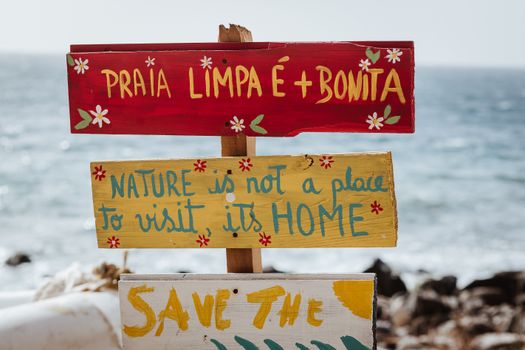
This shift in mindset has transformed my trips from passive observation to active engagement. It's about recognizing that every place is someone's home, and we have a responsibility to treat it with care.
### Why I Can't Go Back: The Transformative Power of Responsible Travel
The journey from checklist traveler to conscious explorer has been nothing short of transformative. I used to come home from trips feeling exhausted, sometimes even a little empty, despite all the "amazing" things I'd seen. Now, I return invigorated, enriched, and with a deeper understanding of the world and my place in it.
The experiences I've had since embracing this new way of traveling are far more vivid and meaningful than any crowded landmark photo. I remember the taste of freshly pressed olive oil in Puglia, the sound of the wind through the Slovenian mountains, the warmth of a shared meal with a family in Nepal, the genuine smile of a market vendor in Thailand. These are the moments that truly stick, the ones that shape me.
Overtourism now feels jarring, inauthentic, and frankly, unnecessary. When I see images of hordes of tourists at a popular spot, I no longer feel FOMO. Instead, I feel a quiet sense of gratitude for the path I've found – a path less traveled, more rewarding, and infinitely more sustainable.
This isn't about shaming anyone's travel choices or saying you can never visit a popular destination again. It's about making conscious choices, even small ones, to lessen your impact and deepen your experience. It's about shifting your perspective from merely visiting to truly connecting.
The world is vast and full of incredible places, people, and cultures. Many of them are yearning for respectful visitors, offering authentic experiences that don't come at the expense of their environment or their way of life. By choosing to travel mindfully, we not only protect these treasures but also unlock a richer, more profound travel experience for ourselves.
So, what about you? What small change will you make on your next adventure to travel more responsibly? The journey starts with a single step, and trust me, once you've taken it, you'll never want to go back.
---
Visual journey


Tags
Share this adventure
Join the travel community
New adventures, cultural insights and travel inspiration, straight to your inbox.
We may receive a commission if you click on a link and buy a product, service or policy, at no extra cost to you. How affiliate links work.
Other angles on this trip
These notes are written by AI to show how different kinds of traveller might see this destination. They are not comments from real readers.