

Forget guidebooks and crowded attractions! I've cracked the code to making genuine local friends in every city I visit, unlocking experiences most tourists only dream of. Get ready to ditch the tourist traps and dive deep into authentic culture with my proven strategies that locals might prefer to keep secret. ---
## How I Made Local Friends in Every City That Locals Tried to Keep Secret
The sun beat down on my face as I navigated the labyrinthine alleys of Marrakech's old medina. My phone, dead. My map, lost. I was utterly, beautifully, hopelessly lost. Panic began to bubble, not for my safety, but for my evening plans – a cooking class I was desperate not to miss. Just as I was about to surrender to a tourist tout, an elderly woman, her face a roadmap of smiles and wrinkles, noticed my distress. She didn't speak English, I spoke only rudimentary French, but through a series of gestures and a shared laugh, she took my hand and led me not just to my cooking class, but past a hidden spice shop, through a quiet residential courtyard where children played, and finally, insisted I share a glass of mint tea with her family before parting ways.
That evening, as I learned to pound spices and roll couscous with newfound Moroccan friends, it hit me: this, this right here, was the real travel. Not the Instagram-perfect photos of landmarks, but the unscripted moments, the shared laughter, the quiet kindness of strangers who become friends. This wasn't something you could buy or book; it was something you had to earn through genuine connection. And it was a secret that locals, perhaps unintentionally, kept from the average tourist.
For years, my travels felt like a series of checkboxes. See the Colosseum, check. Eat paella in Spain, check. But something was missing. I yearned for deeper understanding, for stories that weren't in guidebooks, for the feeling of truly belonging, even if just for a few days. So, I started experimenting. I threw out my rigid itineraries, embraced spontaneity, and developed a set of strategies that have since allowed me to forge incredible, authentic friendships in every corner of the globe. From late-night philosophical debates in Berlin to learning traditional dances in Mexico City, these connections have transformed my travels from mere sightseeing into profound, life-altering adventures.
And now, I'm sharing my "secrets" with you. Get ready to peel back the tourist veneer and discover the heart of every city you visit.
### 1. The Mindset Shift: From Tourist to Temporary Local
This is the bedrock of everything. Before you even think about where to go or what to say, you need to adjust your internal compass.
Ditch the "tourist" label: Stop thinking of yourself as an outsider merely observing. Instead, imagine you're temporarily moving into this city. What would a local do? How would they interact? This shift in perspective is liberating.
Embrace vulnerability and curiosity: Leave your judgments at home. Be open to new ideas, different ways of life, and don't be afraid to make mistakes – especially with language. Locals appreciate the effort far more than perfect grammar.
Show genuine respect: This goes beyond not littering. It means respecting local customs, dress codes, and social norms. In Rome, I learned to linger over my espresso and not rush my meals, embracing the "dolce vita" rhythm. In Japan, bowing and understanding simple etiquette opened so many doors. A simple "please" and "thank you" in the local language can work wonders.
* Personal Anecdote: My first solo trip to Paris, I was terrified to speak French. I'd rehearse sentences in my head for an hour before ordering coffee. One day, a barista saw me struggling and, instead of switching to English, patiently helped me articulate my order. His kindness encouraged me to keep trying, and soon, those small interactions became less daunting and more rewarding, leading to casual chats with shopkeepers and market vendors. It's about taking that first small leap.
### 2. The Proximity Principle: Where Locals Actually Hang Out
You won't make local friends if you're only ever surrounded by other tourists. Go where the locals go! This is often where you'll find the best value and the most authentic experiences anyway.
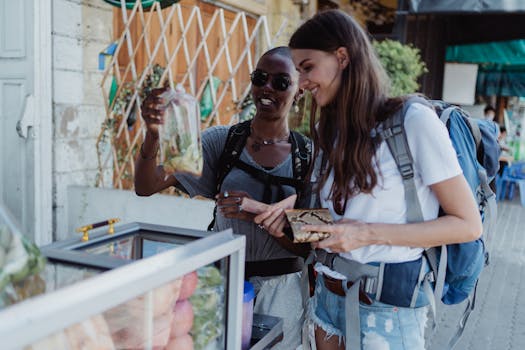
* Local Markets: Forget souvenir shops. Head to the bustling fresh produce markets (like La Boqueria in Barcelona, but seek out smaller, barrio-level ones like Mercado de San Miguel in Madrid for a more authentic vibe). Engage with vendors, ask about their products, try samples. In Mexico City, the Mercado de Artesanías de Coyoacán is fantastic, but the smaller food markets nearby are where true local life happens. You can often get incredible, cheap street food here too! Budget Tip: Local markets are often your best bet for delicious, affordable meals and snacks.
* Neighborhood Cafes & Bakeries: Find a cozy spot a few blocks away from the main tourist drag. Become a regular for a few days if you can. The staff will recognize you, and you'll overhear local conversations. In Vienna, I spent mornings at a small Konditorei, reading and sipping coffee, and eventually, the owner started recommending off-the-beaten-path museums and local events.
* Public Parks & Green Spaces: Parks are universal gathering spots. Join a pickup soccer game, sit on a bench and observe, or strike up a conversation with someone walking their dog. Parc de la Ciutadella in Barcelona or Tiergarten in Berlin are great for this.
* Community Events & Festivals: Check local listings, Facebook groups, or even ask your hostel/hotel staff about upcoming events. These are golden opportunities. I once stumbled upon a local music festival in a small town in Portugal and ended up dancing with families all night.
* Local Bars & Pubs: While tourist bars exist, seek out the ones where you hear local languages predominantly. Sit at the bar, not a table. Bartenders are often a wealth of information and can introduce you to regulars. In Dublin, I found a tiny, unassuming pub off Grafton Street where the regulars debated current events over pints of Guinness.
* Getting Around: Use public transport! Not only is it budget-friendly (e.g., a weekly pass in most major cities is far cheaper than taxis), but it's where locals commute. Observe, listen, and sometimes, a shared glance or a minor mishap (like dropping your ticket) can spark a conversation.
### 3. The Activity Advantage: Shared Interests as Icebreakers
It's easier to connect when you already have something in common. Shared activities provide a natural, low-pressure environment for interaction.
* Language Exchange Meetups: Websites like Meetup.com or dedicated language exchange apps are fantastic. You offer to help someone with English, and they help you with their native tongue. It’s a win-win and often leads to friendships. I've done this in Madrid, Berlin, and Tokyo.
* Cooking Classes (Local Style): Beyond touristy ones, look for smaller, more intimate classes offered by local families or community centers. The Marrakech cooking class I mentioned earlier was found via a local Airbnb Experience, and it led to genuine connections with both the instructor and fellow local participants. Price Check: Expect to pay anywhere from $30-$100 depending on the city and class, but the cultural value is priceless.
* Volunteer Opportunities: Even for a day or two, volunteering with a local charity or environmental group is an incredible way to meet like-minded locals. Organizations like Workaway or local shelters often have short-term needs.
* Local Sports & Fitness Classes: If you love yoga, find a studio. If you're a runner, join a local running club for a morning jog. Pickup basketball or soccer games in parks are also fantastic for casual interactions. In Rio de Janeiro, I joined a Capoeira class, and the camaraderie was instantaneous.
Free Walking Tours (with a twist): While many walking tours are tourist-focused, look for ones led by passionate locals who go beyond the historical facts and share personal stories and insights into modern life. Engage with your guide and ask for recommendations after* the tour. Some offer "alternative" tours focusing on street art or specific neighborhoods.
* Safety Tip: When joining any group activity, especially through online platforms, always check reviews, let someone know where you're going, and meet in public places. Trust your gut.
### 4. The Digital Doorways: Leveraging Technology (Wisely)
While the goal is face-to-face interaction, technology can be a powerful tool to bridge initial gaps and find opportunities.
* Couchsurfing (for Meetups): While primarily known for hosting, the Couchsurfing app has a "Hangouts" feature where you can see who's nearby and available to meet up for coffee, a walk, or an activity. I've had spontaneous coffee chats in Budapest and joined group dinners in Rome through this. It's a goldmine for meeting both locals and fellow travelers.
* Bumble BFF: Yes, the dating app has a "BFF" mode specifically for making platonic friends. It's surprisingly effective in larger cities, allowing you to connect with locals based on shared interests.
* Facebook Groups: Search for "Expats in [City Name]," "Digital Nomads [City Name]," or interest-based groups like "Hiking in [City Name]." These groups are often vibrant communities where locals and long-term residents post about events, ask for recommendations, and organize meetups. I found an amazing group for female travelers in Southeast Asia that led to many local friend connections.
* Instagram & Local Businesses: Follow local cafes, art galleries, bookshops, or cultural institutions. Engage with their posts. Sometimes, a direct message expressing admiration for their work can lead to an invitation or a friendly chat if you visit in person. I once messaged a small pottery studio in Lisbon after admiring their work online, and they invited me for a workshop where I met the artisans and their friends.
* Safety Tip: Always exercise caution when meeting people online. Do a quick social media check, meet in well-lit, public places, and let a trusted friend or family member know your plans.
### 5. The Art of Conversation: Beyond "Where are you from?"
You've found the right places; now, how do you actually start and sustain a conversation?
* Learn Basic Phrases: "Hello," "please," "thank you," "excuse me," "do you speak English?" and "I don't understand" go a long way. Even if you butcher the pronunciation, the effort is appreciated.
* Ask Open-Ended Questions: Instead of "Is this good?", try "What's your favorite dish here and why?" or "What's the story behind this building?" Show genuine curiosity about their city, their life, their recommendations.
* Listen More Than You Speak: People love to talk about themselves and their culture. Be an engaged listener. Ask follow-up questions.
* Find Common Ground: Beyond "where are you from," ask about hobbies, music, books, movies, food, or travel. "What do you like to do on weekends?" is a great one.
* Share Something About Yourself: Don't make it an interrogation. Offer glimpses into your own life, culture, or travel experiences. It creates a natural exchange.
* Cultural Nuances: Be aware of cultural differences in communication. In some cultures, direct eye contact is a sign of respect, in others, it can be aggressive. Some cultures are more reserved, others more effusive. Observing locals is your best teacher. In Japan, for instance, initial interactions are often more formal, but once a connection is made, it can be incredibly deep.
* Personal Anecdote: In Rome, I was admiring some street art when a young man approached me. Instead of asking for directions or money, I asked him about the artist. This led to a two-hour conversation about Roman history, politics, and the city's underground art scene. He ended up inviting me to a small, hidden bar later that week, introducing me to his friends, and I discovered a side of Rome I never would have found in a guidebook.
### 6. Overcoming Obstacles: Shyness, Language Barriers, and Rejection
It won't always be easy. There will be awkward silences, misunderstandings, and sometimes, people just won't be receptive. And that's okay.
* Embrace Imperfection: Your language skills don't need to be perfect. Your approach doesn't need to be flawless. The beauty is in the attempt. Laughter often bridges gaps where words fail.
* Smile! It's a universal language of friendliness and openness. A genuine smile can disarm skepticism and invite interaction.
* Use Non-Verbal Cues: Hand gestures, pointing, showing photos on your phone – these are all valid forms of communication when words are scarce.
* Persistence (Respectfully): If one attempt doesn't work, try another. Not everyone is looking to make new friends, and that's fine. Don't take it personally. Move on and try again with someone else.
* Your Comfort Zone is a Rubber Band: It stretches, it snaps back, but it always stretches a little further each time. The first approach is the hardest, but it gets easier.
* Personal Story: I used to be incredibly shy. The idea of approaching a stranger filled me with dread. My turning point was in Istanbul. I wanted to learn how to play backgammon, which I saw locals playing everywhere. It took me three days to muster the courage to ask someone at a tea house. The first man I asked just grunted and waved me away. My heart sank. But instead of giving up, I took a deep breath, smiled, and asked another group nearby. They not only taught me the game but invited me back daily, teaching me Turkish phrases and sharing endless cups of tea. That initial rejection taught me resilience.
### 7. Cultivating Connections: Turning Acquaintances into Friends
The initial spark is great, but how do you nurture it into something lasting?
* Exchange Contact Info: Don't be afraid to ask for an Instagram handle, WhatsApp, or email. "I'd love to stay in touch!" or "Let's grab a coffee before I leave!" is perfectly natural.
* Follow Up: Send a quick message the next day. "It was great meeting you! Thanks for the [recommendation/chat/lesson]."
* Invite Them: If you have time left in the city, invite them to join you for another activity – a meal, a walk, a museum visit. "I'm planning to check out [local museum] tomorrow, would you be interested in coming along?"
* Offer to Reciprocate: If they've shown you hospitality, offer to treat them to a coffee or a meal. If they express interest in your home country, offer to connect them with resources or even host them if they visit.
* Long-Term Connection: Some of my closest friends are people I met on the road years ago. We still exchange holiday greetings, share life updates, and even plan trips to visit each other. These aren't just travel buddies; they're global family.
Best Times to Connect: Festivals, public holidays, or even just a warm weekend evening can bring locals out in droves and make them more open to interaction. However, the true secret is that any* time is the best time if you're open to it.
### The True Treasure of Travel
Making local friends isn't just about getting insider tips or finding hidden gems (though you absolutely will!). It's about enriching your soul, expanding your worldview, and understanding humanity on a deeper level. It's about realizing that despite different languages, cultures, and traditions, we share so much: laughter, curiosity, kindness, and the universal desire for connection.
These friendships are the real souvenirs, the stories you'll tell for years, and the reason you'll keep returning to places not just for the sights, but for the people who became a part of your journey. So, next time you travel, put down the guidebook, look up from your phone, and open your heart. The "secrets" of true local connection are waiting for you, and they're far more rewarding than any monument.
What are your secrets for making local friends while traveling? Share your stories and tips in the comments below! Let's inspire each other to connect deeper.
---
Visual journey

Tags
Share this adventure
Join the travel community
New adventures, cultural insights and travel inspiration, straight to your inbox.
We may receive a commission if you click on a link and buy a product, service or policy, at no extra cost to you. How affiliate links work.
Been there?