

Tired of surface-level travel? I challenged myself to live like a local for 30 days in Lisbon, and it wasn't just a trip – it was a profound transformation. Get ready to rethink your next adventure and discover how to truly connect with a destination, not just visit it. --- ##
## How I Learned to Live Like a Local in 30 Days That Made Me Rethink Everything
The worn leather of my passport, a testament to countless stamps, felt heavier than usual. I was sitting in a bustling café in Rome, surrounded by the usual suspects: selfie sticks, tour groups, and the faint, universal hum of "Are we going to the Colosseum next?" I’d seen the Colosseum many times. I’d seen the Eiffel Tower, the Taj Mahal, the Great Wall. And in that moment, sipping an overpriced cappuccino, a profound sense of dissatisfaction washed over me.
My travels, for all their Instagram-worthy moments, had started to feel… superficial. I was checking off a list, seeing the highlights, but rarely feeling the pulse of a place. I wanted to understand the rhythm of daily life, the unspoken customs, the quirks that make a city truly unique. I craved connection, not just observation.
That’s when the idea sparked: What if I didn't just visit a place, but lived there? What if I committed to 30 days of shedding my tourist skin and diving headfirst into local life? The challenge was set. My chosen destination? The sun-drenched, melancholic, and utterly captivating city of Lisbon, Portugal.
### The Wake-Up Call: Why I Ditched the Tourist Traps for Good
Before Lisbon, my travel style was efficient, perhaps even a little aggressive. Arrive, hit the top 10 sights, eat at highly-rated (often touristy) restaurants, snap photos, move on. Rinse and repeat. It was a perfectly valid way to see the world, but it left me feeling hollow. I saw the what, but rarely understood the why.
I remember one particularly jarring moment in Venice, watching a gondolier expertly navigate the canals while simultaneously texting on his phone. It hit me: even the "authentic" experiences were often staged, performed for the transient visitor. I wanted to see the gondolier after his shift, grabbing a coffee at his local bar, discussing football with his friends. I wanted to be a fly on the wall, or better yet, a participant in those unscripted moments.
This wasn't about judging other travelers; it was about my own evolving desires. I yearned for stories beyond the guidebooks, for conversations that weren't transactional, for the feeling of belonging, however fleeting. Lisbon, with its rich history, vibrant street life, and reputation for welcoming warmth, felt like the perfect crucible for this experiment. I packed light, leaving behind my preconceptions, and boarded a flight with nothing but an open mind and a 30-day rental agreement.
### Choosing My Playground & Setting Up Shop: More Than Just a Bed
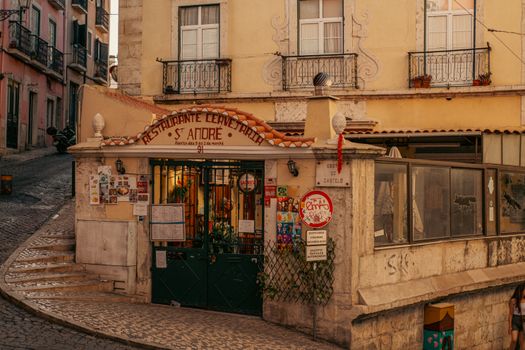
My first crucial decision was where to live. Forget the central tourist hubs of Baixa or Chiado. I wanted a neighborhood where grandmothers hung laundry from balconies, where the local padaria (bakery) knew your coffee order, and where tourists were the exception, not the rule. After some research, I settled on Graça, a charming, hilly district east of the castle, known for its incredible viewpoints (miradouros) and strong community feel.
Practical Tip #1: Ditch the Hotel, Embrace the Local Stay.
For a true immersion, a hotel just won't cut it. Look for:
* Long-term Airbnb/Apartment Rentals: Many offer discounts for monthly stays. This gives you a kitchen, living space, and a sense of "home." My 30-day Airbnb in Graça, a cozy one-bedroom with a tiny balcony overlooking cobbled streets, cost me around €900 for the month – significantly less than 30 nights in a decent hotel.
* Local Guesthouses/Boutique Stays: If an apartment isn't an option, find a small, family-run guesthouse outside the main tourist areas. They often offer more personalized service and local insights.
* Co-living Spaces: For digital nomads, these are fantastic for instant community and local tips.
Upon arrival, my first instinct was to explore. But I resisted. Instead, I focused on settling in. I unpacked, found the nearest grocery store (Pingo Doce became my daily ritual), identified my local pastelaria (where a simple bica – espresso – cost me €0.70), and learned the route to the nearest metro station. These small, mundane tasks were the building blocks of my new "local" life. They grounded me, giving me a sense of routine that is often lost in conventional travel.
### Eating Like a Local: From Supermarket Aisles to Tasca Treasures
This was, perhaps, my favorite part of the challenge. Food is the soul of a culture, and Lisbon's culinary scene is a vibrant, unpretentious affair. My mission: no Michelin stars, no "best of" lists from international publications. Only what the locals ate.
My mornings began with a bica and a torrada (toast with butter) at Café O Pitéu down the street, where the barista eventually started greeting me with "Bom dia, minha querida!" (Good morning, my dear!). I'd observe the elderly men debating politics over their coffee, the hurried commuters grabbing a pastry, and the quiet rhythm of the neighborhood waking up.
Lunch was often a simple affair, either a sandwich I made at home or a prato do dia (dish of the day) at a tiny, unassuming tasca. These small, family-run restaurants are where the magic happens. They serve hearty, traditional Portuguese food at incredible prices. At A Tasca do Jaime in Graça, I had a perfectly grilled bacalhau à brás (shredded cod with onions, potatoes, and scrambled eggs) for €8.50, including bread and olives. I learned that the best tascas usually have a handwritten menu, plastic tablecloths, and a crowd of locals chatting loudly.
Practical Tip #2: Embrace Local Markets & Cooking.
* Mercado de Arroios: Forget the tourist-heavy Time Out Market. Head to a true local market like Arroios. The sights, sounds, and smells are intoxicating. I'd buy fresh fish, seasonal vegetables, and local cheeses. It's not just about saving money; it's about interacting with vendors, learning about local produce, and experiencing the daily lifeblood of the city.
Cook at Home: Having a kitchen meant I could experiment with local ingredients. I learned to make a simple açorda de marisco (bread stew with seafood) and perfected my salada de polvo* (octopus salad). This also helped my budget immensely, allowing me to splurge on a few special local experiences.
Evenings were a mix. Sometimes, I’d cook a meal with ingredients from the market. Other times, I’d venture out to discover new tascas, often guided by a recommendation from my Airbnb host or a friendly local. I even discovered a tiny, unmarked spot in Alfama where a group of elderly men played Fado Vadio (spontaneous Fado) purely for the love of it, passing around a bottle of ginjinha (cherry liqueur). It was raw, emotional, and utterly unforgettable – a world away from the polished Fado shows advertised to tourists.
### The Daily Rhythm: Navigating, Connecting, and Learning
Living like a local meant adopting their pace, their routines. My days were no longer dictated by a checklist of sights but by the flow of Lisbon life.
Getting Around:
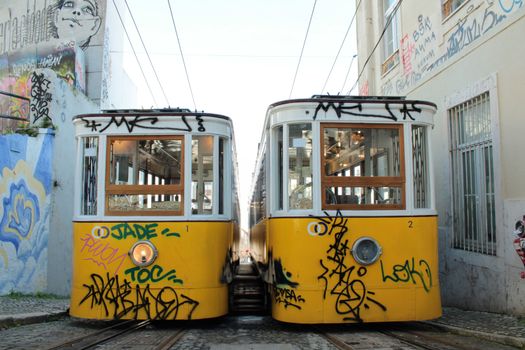
I bought a Viva Viagem card immediately and loaded it with zapping credit. This allowed me to seamlessly use the metro, buses, and trams for just €1.50 per journey. The iconic Tram 28? I rode it, but not for the "experience." I rode it to get from Graça to Estrela, squeezing in with locals, experiencing its jolt and sway as a means of transport, not a scenic tour. I walked everywhere, discovering hidden alleys, vibrant street art, and breathtaking miradouros (viewpoints) that aren't in any guidebook.
Practical Tip #3: Master Public Transport & Walk!
* Get a local transport card: It’s cheaper and more convenient.
* Use public transport for its intended purpose: To get from A to B, not just for photos.
* Walk: It's the best way to uncover a city's secrets. Wear comfortable shoes; Lisbon is hilly!
Language & Connection:
I arrived with only a few basic Portuguese phrases. My goal wasn't fluency, but respect and the ability to engage. "Bom dia," "Obrigado/a," "Por favor," "Desculpe," "Fala inglês?" – these were my lifelines. I downloaded a translation app and dedicated 30 minutes each day to learning new words.
The effort paid off. My attempt at ordering coffee in broken Portuguese was always met with a smile, sometimes a gentle correction, and often a brief, friendly chat. I joined a language exchange meetup through a local Facebook group, where I met both Portuguese locals wanting to practice English and other expats looking to integrate. It was here that I formed some of my strongest connections, sharing stories over cheap vinho verde (green wine).
One afternoon, I was struggling to understand a bus route. An elderly woman, seeing my confusion, patiently explained it to me, using hand gestures and a mix of Portuguese and a few English words. She then walked me to the correct stop, waited with me, and waved goodbye with a warmth that touched my soul. These small, human interactions were the true treasures of my trip.
### Embracing Discomfort & Building Deeper Connections
Living like a local isn't always glamorous. There were days of frustration: navigating bureaucracy to set up a local SIM card, getting lost on unfamiliar streets, or simply feeling a pang of loneliness. But it was in these moments of discomfort that I learned the most.
I learned resilience. I learned to ask for help. I learned that a smile and a "desculpe, não entendo" (sorry, I don't understand) can go a long way.
Practical Tip #4: Engage with the Community.
* Join local groups: Check Facebook groups for expats, language exchange meetups, hiking clubs, or even cooking classes.
Frequent the same spots: Become a regular at a café, a padaria*, or a small shop. Over time, you'll be recognized, and conversations will naturally flow.
* Volunteer: If you have time, consider volunteering for a local charity or community project. It's a fantastic way to give back and meet locals.
I spent an afternoon volunteering at a local community garden in my neighborhood, helping tend to vegetable patches alongside Lisboetas of all ages. We didn't speak much, but the shared effort, the soil on our hands, and the shared plates of tremoços (lupini beans) afterwards forged a bond stronger than any words. I felt a sense of belonging I had rarely experienced on my travels before.
I also embraced the local pace of life. Long, leisurely lunches, afternoon sestas (naps for some, but a general slowdown), and late dinners were the norm. I stopped rushing. I sat in miradouros for hours, watching the Tagus river shimmer under the setting sun, listening to the city's symphony of trams, Fado, and distant laughter. I learned to appreciate the art of simply being.
### The Unforgettable Takeaways: How 30 Days Changed My Worldview
As my 30 days drew to a close, packing my small suitcase felt different. It wasn't just clothes; it was a collection of memories, lessons, and a transformed perspective.
I hadn't just visited Lisbon; I had lived a piece of its life. I knew the best time to avoid the crowds at the Miradouro da Senhora do Monte, not because a guidebook told me, but because I'd watched the sun rise and set there countless times. I knew the particular sweetness of a pastel de nata from Manteigaria (my personal favorite) and how to navigate the metro without a map. I had favorite baristas, local shopkeepers who knew my face, and a deeper understanding of Portuguese culture than any tour could ever provide.
This immersive experience wasn't just about Lisbon; it was about me. It taught me:
* Patience: Travel doesn't have to be a race.
* Humility: You don't know everything, and that's okay. Embrace the learning curve.
* Connection: True travel is about the people you meet and the shared moments, not just the landmarks.
* Resourcefulness: When you're forced to figure things out on your own, you become incredibly adaptable.
* The Value of Routine: Daily rituals, even in a foreign land, can provide a comforting anchor.
I realized that the most profound travel experiences often lie just beyond the well-trodden path, in the quiet corners, in the everyday lives of ordinary people. It’s in the shared smile with a stranger, the taste of a truly local dish, the struggle and triumph of a new language.
My passport still has its worn leather, but now it carries the invisible stamp of a deeper understanding. My concept of travel has been completely rewired. I no longer just want to see the world; I want to feel it, taste it, live it.
So, are you ready to ditch the tourist traps? Are you ready to trade your checklist for a real connection? I promise you, committing to live like a local for 30 days will not only change your trip; it will change you.
Your turn!
What city calls to you for a 30-day immersion? Have you ever tried to live like a local? Share your stories and tips in the comments below! Let’s inspire each other to travel deeper, connect more, and truly rethink everything.
---
Visual journey



Tags
Share this adventure
Join the travel community
New adventures, cultural insights and travel inspiration, straight to your inbox.
We may receive a commission if you click on a link and buy a product, service or policy, at no extra cost to you. How affiliate links work.
Other angles on this trip
These notes are written by AI to show how different kinds of traveller might see this destination. They are not comments from real readers.