

I used to chase Instagram-perfect shots, oblivious to my footprint. Then, a single encounter shattered my travel bubble, forcing me to confront how I explored the world. This is the story of how I learned to be a responsible tourist, and why it's the most profound travel lesson I've ever learned. ---
## My Journey: How Responsible Tourism Rethought My Adventures (And Why It'll Change Yours Too)
I remember my early travel days with a mix of fondness and cringe. Picture this: me, fresh out of college, passport stamped, credit card ready, and a checklist of "must-see" landmarks clutched in my hand. My mission? To see everything, capture the perfect selfie, and collect stories for my friends back home. I was a whirlwind of excitement, a human Instagram filter, and, if I’m honest, a deeply ignorant tourist.
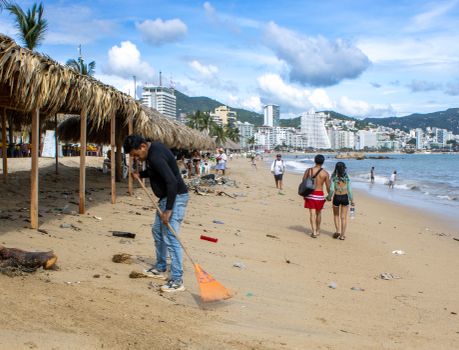
My adventures were often a blur of crowded attractions, pre-packaged tours, and all-inclusive resorts. I’d snap a photo of a local artisan’s craft, then haggle mercilessly, oblivious to the hours of work behind it. I’d ride elephants, thinking I was connecting with nature, without a second thought about how those magnificent creatures were "trained." I’d leave behind a trail of plastic water bottles and a mental note to "do better next time" – a promise rarely kept.
Then, a trip to Southeast Asia changed everything. It wasn't one single, dramatic event, but a series of subtle nudges that built into a seismic shift in my perspective. It started with a pang of guilt after a particularly questionable animal encounter, then a conversation with a local guide who shared stories of his community struggling with tourist waste, and finally, watching a documentary on unethical tourism practices that hit me like a ton of bricks. My travel bubble burst. I realized that my "adventures" were often at the expense of the very places and people I claimed to love.
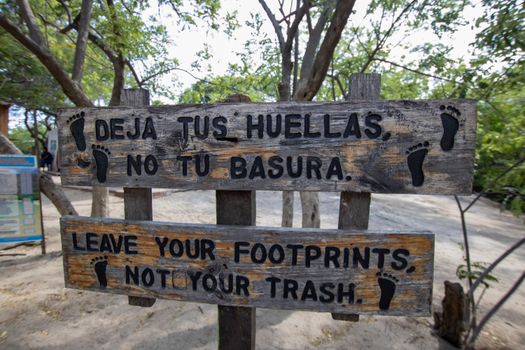
This wasn't just about feeling bad; it was about realizing I could do better. I wanted to be a traveler who enriched, not extracted. A visitor who left a positive mark, not just a footprint. This is the story of how I learned to be a responsible tourist, and why it's the most profound and rewarding travel lesson I've ever learned. And trust me, it’s a journey every traveler needs to embark on.
### The Ignorant Tourist: My Early Days (and Why It's So Easy to Be One)
Before my wake-up call, my travel philosophy was simple: maximum experience, minimum effort. I’d scour flight deals, book the cheapest accommodation that looked decent online, and rely heavily on popular travel blogs and guidebooks for my itineraries. My goal was often to tick off bucket-list items – the Great Wall, the Eiffel Tower, the Taj Mahal – without truly understanding the context, the culture, or the impact of my visit.
I remember my first trip to Thailand. It was a dream come true! I rode an elephant through lush jungle, bought cheap souvenirs from street vendors, and spent days lounging on pristine beaches. I took countless photos, delighted by the "authenticity" of it all. I genuinely believed I was having an amazing, culturally immersive experience. I even felt good about "supporting" the locals by buying things.
But looking back, I see a different picture. That elephant ride? I later learned about the brutal "phajaan" or "crushing" process used to break an elephant's spirit for tourism. Those cheap souvenirs? Many were mass-produced, with profits rarely reaching the artisans. And the pristine beaches? I contributed to the plastic problem, buying bottled water without a second thought. I was a tourist, yes, but not a traveler. I was consuming, not connecting. And it's easy to be that way when the industry is designed for convenience over consciousness.
### The Wake-Up Call: My "Aha!" Moment and What It Looked Like
The true turning point wasn't a single event, but a gradual dawning, sparked by that elephant ride in Thailand. After returning home, I stumbled upon an exposé on ethical animal tourism. My heart sank. The images of elephants chained, beaten, and forced into submission for tourist entertainment haunted me. My "authentic" experience was built on cruelty. The guilt was immense, but it was also a powerful catalyst.
This prompted me to dig deeper. I started researching every aspect of my past travels. Was that "orphanage" I visited really helping children, or was it exploiting them for voluntourism dollars? Were my resort choices funneling money away from local communities? Was my desire for a "bargain" contributing to unfair labor practices? The more I learned, the more I realized how much I didn't know, and how my seemingly innocent choices had real, tangible consequences.
It was like pulling back a curtain to reveal a complex, often uncomfortable truth about the travel industry. I felt a mix of shame for my past ignorance and a fierce determination to change. I vowed to become a more responsible traveler, not just for the destinations I visited, but for my own integrity. This wasn't about being perfect, I quickly learned, but about making conscious, informed choices.
### Beyond the Buzzwords: What Responsible Tourism Really Means
"Responsible tourism," "sustainable travel," "eco-tourism" – these terms get thrown around a lot. But what do they really mean? For me, it boils down to three core pillars:
1. Environmental Responsibility: This is about minimizing our ecological footprint. It means reducing waste, conserving resources (water, energy), protecting wildlife and natural habitats, and supporting conservation efforts. It's about leaving a place as good, or better, than you found it.
2. Social & Cultural Responsibility: This is about respecting and preserving local cultures, traditions, and communities. It means engaging respectfully with locals, learning about their way of life, avoiding exploitation (especially in areas like voluntourism), and ensuring that tourism benefits the community, not just external operators. It’s about being a guest, not an intruder.
3. Economic Responsibility: This pillar focuses on ensuring that the economic benefits of tourism stay within the local community. It means supporting local businesses, paying fair prices, using local guides, and contributing to local economies rather than funneling money to large, often foreign-owned, corporations. It’s about fair distribution of wealth.
Initially, this felt overwhelming. How could one person make a difference? But I soon realized it wasn't about grand gestures; it was about a series of small, intentional choices that collectively create a significant impact.
### My Practical Toolkit: Actionable Steps for Every Traveler
This is where the rubber meets the road. After my "aha!" moment, I started building my own responsible travel toolkit. Here are the practical tips and actionable advice I now live by, making every trip more meaningful and impactful:
#### 1. Before You Go: Research is Your Best Friend
* Choose Ethical Operators: This is paramount. Before booking any accommodation, tour, or animal encounter, research their practices. Look for certifications (e.g., Green Globe, LEED for hotels) or read reviews specifically mentioning ethical treatment, local hiring, and environmental policies. For animal encounters, avoid anything that involves riding, touching, or performing. Instead, seek out genuine rescue centers or reputable conservation projects.
My Example:* Instead of booking a generic resort in Costa Rica, I spent hours researching eco-lodges that actively contributed to local conservation and employed staff from nearby villages. The slightly higher price was worth knowing my money was making a positive impact. When visiting Chiang Mai again, I went to Elephant Nature Park – a true sanctuary where elephants roam free, and visitors observe respectfully from a distance.
* Learn Basic Phrases: Even "hello," "thank you," and "please" in the local language can open doors and show respect. Duolingo is your friend! It shows you’ve made an effort to connect.
* Pack Smart & Light: Reduce your footprint before you even leave.
* Reusable Water Bottle: My trusty Hydro Flask is my most valued travel companion. I fill it at airports, hotels, and cafes, saving countless plastic bottles. Many airports now have refill stations, and even in places like Vietnam, many cafes offer filtered water for refills.
* Reusable Shopping Bag: Perfect for market visits and avoiding plastic bags.
* Solid Toiletries: Shampoo bars, conditioner bars, and solid soap reduce plastic waste and are travel-friendly (no liquid restrictions!). My favorite solid shampoo bar from Lush lasts ages.
* Minimalist Wardrobe: Pack versatile clothes you can mix and match. Less luggage means a smaller carbon footprint on flights.
#### 2. While You're There: Engage Consciously
* Support Local, Always: This is probably the easiest and most impactful step.
* Eat Local: Skip the international chains. Seek out family-run restaurants, street food stalls, and local markets. Not only is the food often more authentic and delicious, but your money directly supports local families. In Hoi An, Vietnam, I spent evenings at a tiny family-run eatery called "Bale Well" – the food was incredible, and I loved knowing my dollars were going straight to them.
* Buy Local Crafts & Souvenirs: Look for items handmade by local artisans. Ask where the materials come from. Avoid mass-produced trinkets often imported from other countries. Negotiate fairly, but remember the value of someone's craft.
* Hire Local Guides: They offer invaluable insights into their culture, history, and hidden gems. Plus, it provides direct income to the community. My local guide in the Peruvian Andes shared stories of his Inca heritage that no guidebook ever could.
* Reduce Your Waste (Even More!):
* Say No to Plastic: Refuse plastic straws, bags, and single-use containers whenever possible. Carry your own spork!
* Conserve Resources: Turn off lights and air conditioning when you leave your hotel room. Take shorter showers. Be mindful of water usage, especially in water-scarce regions.
* Respect Culture & Customs:
* Dress Appropriately: Especially when visiting religious sites. Always carry a scarf or sarong to cover shoulders or knees if needed. In Thai temples, I learned to always have my shoulders and knees covered, and to remove my shoes.
* Ask Permission for Photos: Especially when photographing people. A simple gesture or "May I?" can make a huge difference. If they say no, respect it.
* Learn & Observe: Take time to understand local etiquette. Don't be loud or disruptive in quiet places. Bargain respectfully, if at all. Avoid public displays of affection in conservative cultures.
* Ethical Animal Encounters: Reiterate: observe from a distance. Support true sanctuaries. Avoid zoos with poor conditions, circuses, or any activity that forces animals into unnatural behaviors.
#### 3. After You Return: Share and Reflect
* Share Responsibly: Use your social media platform to highlight ethical operators, sustainable practices, and cultural insights, rather than just picture-perfect selfies. Educate your followers gently.
* Continue Supporting: Buy fair-trade products, donate to conservation efforts, and advocate for responsible tourism.
* Reflect & Plan: What went well? What could you do better next time? Responsible tourism is a continuous learning process.
### The Unexpected Rewards: Why It's Worth the Effort
You might think being a responsible tourist sounds like a lot of work, perhaps even sacrificing some of the "fun." I thought so too, initially. But I couldn't have been more wrong. The unexpected rewards have been profound:
* Deeper Connections: The photos I cherish most now aren't of me posing, but of genuine interactions: sharing a laugh with a local market vendor, learning to cook a traditional dish from a homestay host, or having a heartfelt conversation with a guide about his community's challenges and triumphs. These moments are raw, authentic, and infinitely more memorable.
* Richer Understanding of the World: When you travel responsibly, you move beyond the surface. You learn about complex issues, appreciate cultural nuances, and gain a more holistic understanding of the world. It broadens your perspective in ways a superficial trip never could.
* Personal Growth: This journey has made me a more patient, empathetic, and mindful person, not just when traveling, but in my everyday life. It's empowering to know your choices can make a positive difference.
* More Authentic Experiences: The "Instagram-worthy" moments now come naturally from genuine interactions, stunning untouched landscapes, and experiences that feel real, not staged. My feed is less about me, and more about the incredible places and people I encounter.
* It's Not About Sacrifice, It's About Enhancement: Responsible travel isn't about giving things up; it's about choosing better options that lead to richer, more meaningful, and ultimately more enjoyable experiences. It's about traveling with purpose.
### Ready to Rethink Your Next Adventure?
My journey from ignorant tourist to conscious explorer has truly made me rethink everything. It's not about being perfect; it's about being present, mindful, and intentional. It's about understanding that every choice we make as travelers has an impact, and we have the power to make that impact a positive one.
The world is an incredible place, and it's our privilege to explore it. Let's do so with respect, kindness, and a commitment to preserving its beauty and diversity for generations to come.
What's your responsible travel tip? What "aha!" moment changed your perspective? Share your insights in the comments below! Let's build a community of conscious explorers and inspire each other to travel better.
---
Visual journey



Tags
Share this adventure
Join the travel community
New adventures, cultural insights and travel inspiration, straight to your inbox.
We may receive a commission if you click on a link and buy a product, service or policy, at no extra cost to you. How affiliate links work.
Other angles on this trip
These notes are written by AI to show how different kinds of traveller might see this destination. They are not comments from real readers.