
Ever wondered what lies beyond the tourist façade? I spent months in Porto, determined to peel back its layers and discover the vibrant, authentic heart locals seemed to keep under wraps. This is my journey into the city's true soul, and how you can find it too. ---
## Porto's Hidden Heart: Unlocking the City Locals Kept Secret
The first time I saw Porto, it was exactly as the postcards promised: the sun glinting off the Douro River, the iconic Rabelo boats bobbing gently, and the vibrant, pastel-hued houses of Ribeira clinging precariously to the hills. It was beautiful, enchanting, and utterly captivating. But after a few days of snapping photos, sipping port wine in tourist traps, and navigating crowded alleyways, a quiet dissatisfaction began to brew. Was this it? Was this truly the soul of Porto, or just a beautifully constructed façade for visitors?
I longed for more. I wanted to hear the city's whispers, not just its shouts. I wanted to taste its true flavors, not just its curated menus. I wanted to understand the rhythms of the Tripeiros – the proud people of Porto – and uncover the local secrets they seemed to keep carefully guarded. This wasn't just a trip; it became a mission. A mission to integrate, to belong, even if just for a short while, in a city that locals seemed to try to keep just a little bit secret.
This is the story of how I peeled back the layers of Porto, discovering its authentic, unfiltered heart, and how you can too.
### The Whispers of Authenticity – Beyond the Ribeira Glow
My initial days were a blur of guidebook-approved sights. Clerigos Tower, Livraria Lello, the Dom Luís I Bridge – all magnificent, no doubt. But I started noticing subtle differences, tiny cracks in the tourist veneer. It began with the cafés. The ones near the river were bustling with tourists, serving "expressos" that cost €3. But just a block or two inland, down a narrow, tile-lined street, I'd find a tiny spot where the coffee was richer, the chatter was Portuguese, and the price was a mere €0.70.
These were my first clues. The real Porto wasn't shouting; it was whispering from the ornate balconies, humming from the rattling trams, and stirring in the aroma of roasted chestnuts carried on the autumn breeze. I started venturing further from the main arteries, letting curiosity be my compass. I'd turn down an alleyway simply because a shaft of sunlight illuminated a particularly vibrant blue azulejo mural, or because the sound of a distant accordion beckoned.
Practical Tip:
Don't be afraid to get lost. Seriously. Ditch the map (or at least, the tourist map) for an afternoon. Wander aimlessly down side streets. You'll stumble upon hidden courtyards, local bakeries, and small shops selling everything from handmade lace to obscure religious artifacts. These are the first breadcrumbs to the real city.
### Mastering the Local Rhythm – The Art of Desassossego
One of the first things I had to shed was my "tourist pace." Porto, like many Portuguese cities, operates on its own unique rhythm. There's a certain desassossego – a beautiful restlessness, yet also a profound calm – that defines daily life. Mornings start early, but not with a frantic rush. Locals gather for coffee and a tosta mista (grilled ham and cheese sandwich) at their neighborhood padaria (bakery), reading newspapers, before heading to work.
I started adopting this ritual. Instead of grabbing a quick breakfast, I'd find a small pastelaria away from the center, order a galão (milky coffee) and a fresh pão de queijo, and just sit. I'd listen to the rapid-fire Portuguese, watch the elderly women haggle at a fruit stand, and observe the city slowly awaken.
Local Insight:
Lunch is typically later, around 1-2 PM, and often a substantial affair. Dinner is even later, rarely before 8 PM. If you show up at 6 PM expecting a full restaurant, you'll likely find it empty or just serving petiscos (tapas). Embrace the late dining culture; it's part of the social fabric.
I also spent hours at the Mercado do Bolhão, even during its renovation (it’s now beautifully restored!). While it attracts tourists, it's undeniably a local hub. I didn't just walk through; I engaged. I bought fruit from the same vendor every day, practicing my broken Portuguese. I learned about the seasonality of produce, the best way to choose a ripe avocado, and the subtle art of negotiation (mostly just friendly banter). These small, consistent interactions built a bridge.
Best Time to Visit:
To experience these local rhythms without the peak season crowds, aim for late spring (April-May) or early autumn (September-October). The weather is pleasant, and the city feels more authentically Portuguese.
### A Taste of the Tripeiro Soul – Unlocking Porto's Culinary Secrets
If there's one area where locals really keep their secrets close, it's food. Porto's culinary scene goes far beyond francesinha (though you must try one, perhaps at Café Santiago for a classic experience, around €12-€15). To truly eat like a Tripeiro, you need to venture into the tascas and petiscarias that rarely make it into glossy magazines.
My strategy was simple: look for places packed with locals, especially at lunch. Ignore the English menus. If there wasn't one, even better. I learned to point, to ask " o que é isto? " (what is this?), and to trust the recommendations of the gruff but kind waiters.
Specific Locations & Prices:
A Badalhoca: Not a secret anymore, but still a fantastic place for petiscos (think Portuguese tapas) and a glass of vinho verde. Located a bit outside the absolute center, it feels very local. Expect to pay €3-€7 per petisco. Try the presunto (cured ham) and pica-pau* (fried pork bits).
Tascas near Mercado do Bolhão (e.g., A Casa Guedes, O Careca): These small, unassuming eateries serve hearty, traditional Portuguese fare. Tripas à Moda do Porto (tripe stew, the dish that earned Tripeiros their nickname!) is a local specialty, as are various bacalhau* (codfish) dishes. A full meal with wine can be as little as €8-€15. Don't expect fancy decor; expect incredible flavor.
Confeitaria do Bolhão: For pastries and coffee. The Pastel de Nata* here is sublime, often still warm, for about €1.20.
Budget Tip:
Always order the " prato do dia " (dish of the day) or " menu do dia " (daily menu) at tascas. It’s usually a complete meal, often including soup, main course, bread, drink, and coffee, for an unbeatable price, typically €7-€12. It’s also how you guarantee you’re eating what locals eat that day.
I learned that the best bacalhau isn't necessarily in the most expensive restaurants. It's often in a humble, family-run tasca where the recipe has been passed down generations, served with a simple boiled potato and a drizzle of olive oil. And don't forget Vinho Verde – the "green wine" unique to northern Portugal, light, crisp, and slightly effervescent. It's the perfect companion to any meal, and incredibly affordable.
### The Language of Connection – From Olá to Saudade
One of the biggest keys to unlocking Porto's true heart was attempting to speak Portuguese. Even a few words go a long way. The locals, initially reserved, would visibly soften and open up when I stammered out " Olá! Bom dia! " (Hello! Good morning!).
I started with basics:
Por favor* (Please)
Obrigado/Obrigada* (Thank you - male/female)
Desculpe* (Excuse me/Sorry)
Sim/Não* (Yes/No)
Mais um, por favor* (One more, please) – essential for coffee!
Beyond phrases, it was about understanding the nuance. Portuguese people are incredibly warm once you break through the initial formality. A simple " tudo bem? " (how are you?) isn't just a greeting; it's an invitation for a brief, genuine exchange. I learned that a hand gesture or a shared laugh could bridge any language barrier.
Personal Anecdote:
I once got hopelessly lost trying to find a specific fado house (not a touristy one). I approached an elderly woman tending to her balcony plants. With a mix of pointing, broken Portuguese, and charades, she not only gave me directions but insisted on walking me two blocks to make sure I found the street, all while telling me a story about her grandmother. That simple act of kindness, born from a willingness to connect, was more memorable than any landmark.
Learning about saudade – that untranslatable feeling of melancholic longing, a deep emotional state – gave me a profound insight into the Portuguese soul. It's a thread that weaves through their music, their poetry, and their daily interactions, adding layers of depth to every encounter.
### The Unwritten Map – Discovering Porto's True Gems
Once I started seeing Porto through local eyes, an entirely new map began to unfold. These weren't places listed in guidebooks, but rather the quiet corners, the specific viewpoints, and the unassuming spots where life simply happened.
* Jardim do Palácio de Cristal (Crystal Palace Gardens): While somewhat known, most tourists stick to the main paths. Venture off into the winding trails, past the strutting peacocks, and you'll find secluded benches with breathtaking, uninterrupted views of the Douro. It’s a perfect spot for an afternoon read or a quiet picnic, far from the city's hustle.
Miradouro da Vitória: Yes, it’s on some maps, but it’s often overlooked for more famous spots. Head here at sunset with a cheap bottle of local wine and some tremoços* (lupini beans, a common bar snack) from a nearby mini-mercado. The panoramic view of the Ribeira, the bridge, and the river is simply unparalleled, and you'll share it with more locals than tourists.
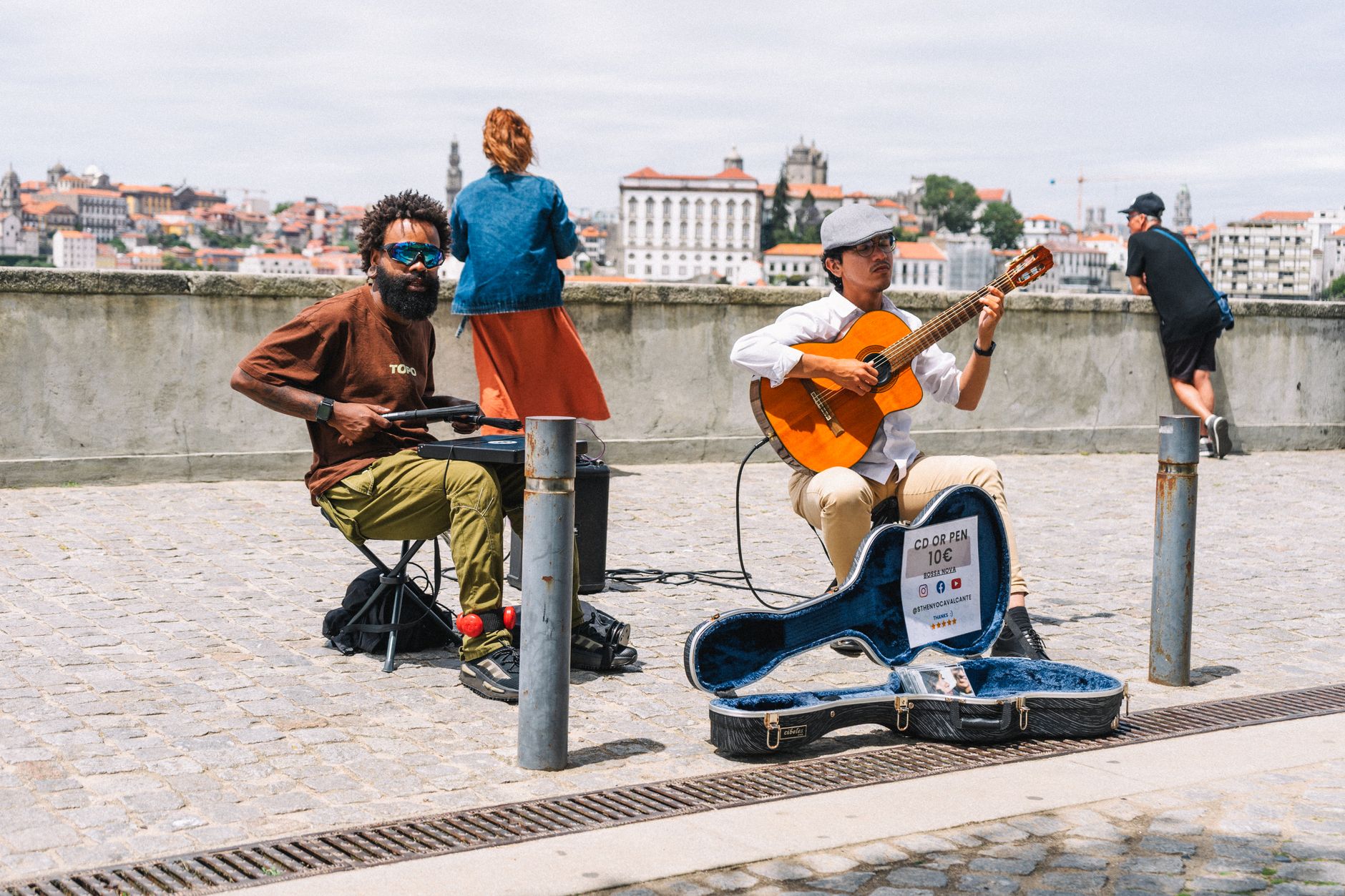
Local Tabernas and Casa de Fado (Fado Houses): Finding a truly authentic fado experience is challenging. Many are designed for tourists, with high prices and polished shows. Ask locals – a taxi driver, your Airbnb host, a shopkeeper – for their recommendation for a taberna where fado might spontaneously break out, or a small, intimate casa de fado* where the focus is on the raw emotion, not the spectacle. These are often tiny, cash-only places, and you might need to make a reservation by phone (or in person, with a friendly smile). I found one in a back alley near Praça da Batalha that felt like stepping into someone's living room.
Getting Around:
Porto is a wonderfully walkable city, but its hills can be a challenge. Embrace public transport! The metro is efficient and clean. The historic trams (especially Tram 1 along the river) are charming, but the regular buses are often faster and cheaper. A rechargeable Andante card is your best friend. For a unique experience, take the Funicular dos Guindais up from the Ribeira to Batalha Square for just a few euros – it saves your legs and offers great views.
### Beyond the Postcard – Becoming a Temporary Tripeiro
Integration isn't about erasing your identity; it's about expanding it. It's about respecting local customs, adapting your pace, and opening yourself to new ways of seeing the world. By the end of my time in Porto, I wasn't just a visitor; I felt like a temporary Tripeiro. I had my favorite pastelaria, my preferred route to the market, and a few friendly faces who greeted me by name.
Safety Tips:
Porto is generally a safe city. Use common sense: be aware of your surroundings, especially in crowded tourist areas where pickpocketing can occur. Don't flash expensive valuables. At night, stick to well-lit streets. The local Metro and bus system are safe and reliable.
My biggest takeaways for truly integrating into any foreign city:
1. Slow Down: Resist the urge to tick off every item on a list. Allow for serendipity.
2. Learn Basic Language: Even a few words show respect and open doors.
3. Eat Local, Shop Local: Support small businesses and experience the authentic flavors.
4. Observe and Adapt: Pay attention to local customs, dress codes, and social norms.
5. Be Open to Connection: Smile, make eye contact, and be willing to engage with people.
6. Embrace the Unplanned: The best discoveries are often the ones you didn't seek out.
7. Respect the "Secrets": Locals keep things "secret" not out of malice, but to preserve their authenticity. Approach with humility and appreciation.
Porto isn't just a city of bridges and wine; it's a city of resilience, warmth, and quiet charm. It taught me that the most profound travel experiences aren't found in guidebooks, but in the willingness to step off the well-worn path, to listen to the whispers, and to truly connect with the heart of a place. It's an experience I will cherish forever, and one I believe every traveler deserves.
What hidden gems will you discover? What local secrets will you respectfully unearth? Porto is waiting, ready to reveal its authentic self to those willing to look beyond the surface. Start planning your immersive adventure today!
---
Visual journey


Tags
Share this adventure
Join the travel community
New adventures, cultural insights and travel inspiration, straight to your inbox.
We may receive a commission if you click on a link and buy a product, service or policy, at no extra cost to you. How affiliate links work.
Been there?