

Tired of surface-level tourism, I embarked on a journey to Medellín, Colombia, seeking something more profound. What I discovered was a vibrant, welcoming community, not advertised in any guidebook, that transformed my travel experience from visitor to temporary local. This is the story of how I peeled back the layers to find the true heart of the city, and how you can too. ---
The hostel common room buzzed with a familiar cacophony of languages – English, German, French, all discussing the same well-trodden paths: Comuna 13, El Poblado's nightlife, the Botero Plaza. I sat nursing a lukewarm cerveza, a familiar pang of loneliness echoing in the grand, colonial hall of my beautiful Medellín hostel. I was having a good trip, yes, but it felt… superficial. Like watching a movie through a window, rather than stepping into the scene.
I’d been solo traveling for months, chasing sunsets and passport stamps, but a deeper connection, a sense of belonging, remained elusive. Every interaction felt transactional, every experience curated for the transient tourist. I yearned for the kind of travel where you know the local baker’s name, where you’re invited for a tinto (black coffee) by a new friend, where you feel the pulse of a place from its very core. I wanted to find community, but it felt like the locals had their own world, politely hidden behind a veil of tourist-friendly smiles. They weren't trying to keep it secret, but their authentic lives weren't easily accessible to a passing stranger.
This is the story of how I cracked that code in Medellín, the ‘City of Eternal Spring,’ and discovered a community so rich, so warm, that it not only changed my trip but profoundly altered my understanding of travel itself.
### The Initial Struggle: Beyond the Guidebook Bubble
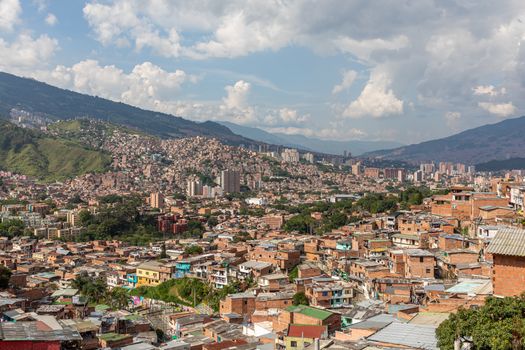
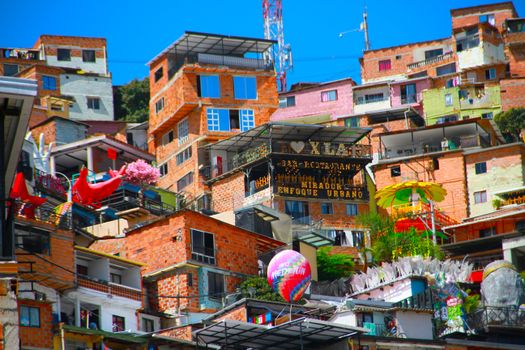
My first week in Medellín was a whirlwind of the usual suspects. I took the cable car up to Comuna 13, mesmerized by the vibrant street art and the powerful stories of transformation. I hiked up to Cerro Nutibara for panoramic views of the sprawling city. I even ventured into the swanky bars of El Poblado, trying to connect with other travelers. It was all beautiful, impressive, and perfectly enjoyable. Yet, an emptiness persisted. I was just another face in the crowd, consuming experiences rather than participating in them.
My Spanish, while decent, was often met with the polite English of locals eager to practice. I felt stuck in a loop: tourist attractions, tourist friends, tourist conversations. I knew there had to be more to Medellín, a city famous for its resilience, its innovation, and its incredibly warm paisa people. I kept hearing whispers, fragments of conversations about "the real Medellín," "where the locals go," "the places not in the guidebooks." It sparked a fierce determination in me. I wasn't just going to visit Medellín; I was going to live it, even if just for a short time.
Practical Tip:
Don't just rely on online lists of "top attractions." Ask your hostel staff, local baristas, or even taxi drivers, "Where do you go on a Sunday afternoon?" or "What's a local secret you love?" Their initial answers might be tourist-friendly, but persist with genuine curiosity.
### Decoding the Paisa Pulse: My First Crack in the Code
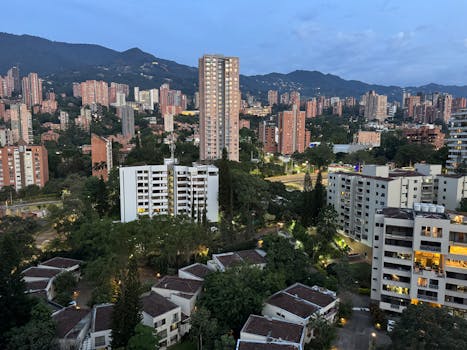
My breakthrough wasn't a grand gesture, but a series of small, intentional shifts. I decided to move from the bustling, expat-heavy El Poblado to Laureles, a more residential neighborhood known for its tree-lined streets, local eateries, and a distinctly less touristy vibe. My new hostel, a charming family-run guesthouse called Casa Kiwi (a surprisingly common name for hostels, but this one felt different), had a quieter atmosphere.
It was here, over a shared breakfast of arepas con queso and freshly brewed tinto, that I met Elena, the owner's niece. She was studying English and offered me free Spanish lessons in exchange for English conversation. This was it. My first genuine, non-transactional connection.
Elena became my initial guide. She didn't take me to museums; she took me to the local mercado (market) in Floresta, where the air was thick with the scent of tropical fruits and the cacophony of vendors hawking their wares. She taught me how to haggle for mangoes, introduced me to maracuyá (passion fruit) juice, and showed me how to pick the ripest aguacate (avocado). This wasn't a tour; it was a glimpse into daily life, a shared experience.
Budget Tip:
Local markets are not only a feast for the senses but also incredibly budget-friendly for fresh produce and cheap, authentic street food. A full meal of empanadas and juice can cost less than $3 USD.
### My Entry Point: The Salsa Tertulia and the Coffee Connoisseurs
Elena’s introduction was the first domino. She eventually invited me to a tertulia – a social gathering, often informal, where people meet to talk, share ideas, or simply socialize. This particular tertulia was a weekly salsa night held in a small community center in Envigado, a municipality just south of Medellín. It wasn't a flashy club with cover charges and tourist traps; it was a room with a concrete floor, a booming sound system, and a core group of locals who simply loved to dance.
The first night, I was terrified. Everyone seemed to know each other, their movements fluid and confident. I stood awkwardly on the sidelines until an older gentleman with a kind smile, Don Carlos, extended a hand. "Quieres bailar, muchacha?" he asked. My Spanish wasn't perfect, but I understood. I stumbled through a few basic steps, my feet feeling like lead, but Don Carlos was patient, his encouragement warm. He didn’t care that I wasn’t a pro; he cared that I was trying, that I was there.
Over the next few weeks, the salsa tertulia became my sanctuary. I wasn’t just learning steps; I was learning the rhythm of Colombian culture, the joy of shared movement, the unspoken language of the dance floor. It cost me nothing but my time and my willingness to participate. I started bringing a bag of buñuelos (fried cheese balls) to share, a small gesture of reciprocity that was met with genuine appreciation.
Beyond salsa, I also stumbled upon a "coffee connoisseurs" group through a local Meetup event I found online. This wasn't a touristy coffee tour, but a group of Medellín residents, mostly young professionals and artists, who met every Saturday morning at a different small, independent coffee shop in areas like Sabaneta or El Perpetuo Socorro. We'd sample different roasts, discuss brewing methods, and dive into the nuances of Colombian coffee culture. This group was more diverse, including a few long-term expats, but the core was distinctly local. We'd spend hours talking about everything from politics to poetry, all fueled by incredible, locally sourced coffee, usually costing no more than $1-2 USD per cup.
Specific Details:
Salsa Tertulia: Often held in community centers (casas de la cultura*) or smaller bars in neighborhoods like Envigado, Itagüí, or even parts of Laureles. Ask locals for "salsa social" or "clases de salsa para vecinos" (salsa classes for neighbors). No specific address, as they change, but the spirit is consistent.
* Coffee Groups: Search Meetup.com or local Facebook groups for "Café Medellín," "Tertulias de Café," or "Coffee Lovers Medellín."
Cost: Salsa tertulias* are often free or a very small donation ($1-2 USD). Coffee groups involve just the cost of your coffee.
### The Art of Slow Travel & Reciprocity: Earning Your Spot
The key to unlocking these "secret" communities wasn't about finding a hidden map; it was about investing time and genuine interest. I embraced slow travel. Instead of rushing from one sight to the next, I spent afternoons in parks, reading and observing. I frequented the same small panadería (bakery) for my morning coffee, exchanging pleasantries with the owners. I made an effort to speak Spanish, even when it was difficult, showing respect for their language and culture.
Reciprocity became vital. It wasn't just about taking; it was about giving back. I offered to help Elena practice English, correcting her grammar gently. I shared stories about my own culture with Don Carlos and his friends at the tertulia, teaching them a few basic English phrases in return. With the coffee group, I shared my own travel experiences, listening intently to their perspectives on Medellín and Colombia.
This wasn't just polite interaction; it was building relationships. Slowly, I started being included in more intimate gatherings. I was invited to a sancocho (a traditional Colombian soup) lunch at Don Carlos's family home on a Sunday. I joined the coffee group for a hike to a beautiful, lesser-known waterfall outside Envigado, a spot I'd never have found on my own. These invitations weren't extended because I was a paying tourist; they were offered because I was becoming a friend.
Cultural Insight:
Colombians, especially paisas, value personal connection and warmth. Showing genuine interest in their lives, their families, and their culture goes a long way. A simple "¡Qué chévere!" (How cool!) or "Me encanta su ciudad" (I love your city) with a genuine smile can open many doors.
### Unlocking the Real Medellín: Hidden Gems & Lifelong Bonds
The benefits of these connections were immeasurable. I wasn't just seeing Medellín; I was experiencing it from the inside out.
Hidden Gems: Don Carlos introduced me to a small, unassuming restaurant in Envigado that served the most incredible bandeja paisa (a hearty traditional dish) I’ve ever tasted, far superior and cheaper than any tourist trap. (Restaurant: El Rancherito*, specific location varies but look for smaller, family-run spots in Envigado or Sabaneta).
Local Festivals: Through Elena, I learned about a neighborhood fiesta* in La América celebrating local artists and musicians, a vibrant explosion of color and sound that wasn't advertised to the general tourist crowd.
Authentic Experiences: I spent an entire afternoon helping a family prepare natilla and buñuelos* for Christmas, learning recipes passed down through generations. This wasn't a cooking class; it was a shared family moment.
* Safety: Being with locals also provided a layer of comfort and safety. They knew which areas to avoid, how to navigate public transport efficiently, and how to carry myself to avoid unwanted attention. They became my trusted guides.
My days began to feel different. I'd wake up, not with a checklist of sights, but with anticipation of who I'd meet, what new story I'd hear, what shared meal I'd participate in. I no longer felt lonely; I felt rooted. I had found my temporary home, and a family away from home. These weren't just acquaintances; they became friends, some of whom I still keep in touch with today. The value of these experiences cannot be quantified in dollars, but in the richness of human connection.
Best Times to Visit:
While Medellín is the "City of Eternal Spring" and pleasant year-round, the dry seasons (December-February and June-August) offer clearer skies for outdoor activities. The "Flower Festival" (Feria de las Flores) in August is a spectacular cultural event, but it's also peak tourist season, so local connections might be harder to forge.
Getting There & Around:
Fly into José María Córdova International Airport (MDE). From there, a taxi or shared shuttle to Medellín city center costs around $20-30 USD. Within Medellín, the Metro is excellent, clean, and efficient (around $0.70 USD per ride). Taxis and ride-sharing apps (Uber, Didi, Cabify) are also readily available and affordable.
### Your Blueprint for Finding Your Secret Community
You don't need to be an extrovert or fluent in the local language to find these hidden communities. What you need is an open heart, patience, and a willingness to step outside your comfort zone.
1. Choose Your Base Wisely: Instead of staying in the most tourist-heavy areas, opt for residential neighborhoods. In Medellín, consider Laureles, Envigado, or Sabaneta. Research online for local cafes, parks, and community centers.
2. Learn the Language (Even a Little): A few key phrases go a long way. "Hola," "Gracias," "Por favor," "Disculpa," and "Me gustaría..." (I would like...) are essential. Even attempting a few sentences shows respect and opens doors. Duolingo or local language schools are great resources.
3. Embrace Local Activities:
* Language Exchanges: Search online (Meetup, Facebook groups) for "intercambio de idiomas" in your chosen city. These are goldmines for meeting locals.
* Volunteer: Even a few hours a week at a local charity, animal shelter, or community project can connect you with like-minded locals.
* Local Classes: Cooking classes, dance lessons (salsa, bachata), art workshops – look for ones geared towards locals, not just tourists. Ask at community centers.
* Meetup/Facebook Groups: Search for hobbies that interest you (hiking, photography, board games, book clubs) + the city name.
* Couchsurfing Events: Even if you're not staying with a host, many Couchsurfing communities organize weekly meetups that are open to everyone and attract a good mix of locals and travelers.
4. Be a Regular: Frequent the same coffee shop, market stall, or small restaurant. The familiar faces will start to recognize you, and often, conversations will naturally spark.
5. Practice the Art of Observation & Listening: Don't just talk about yourself. Ask questions about their lives, their city, their culture. Listen intently. Show genuine curiosity.
6. Offer Reciprocity: Share a story, offer to help, teach a word in your language, or simply bring a small treat to share. It's about giving back, not just taking.
7. Be Patient and Persistent: Building genuine connections takes time. Don't get discouraged if it doesn't happen overnight. Keep putting yourself out there.
8. Trust Your Gut: Always prioritize your safety. If a situation feels off, politely excuse yourself. But don't let fear prevent you from taking calculated risks and trusting in the kindness of strangers.
### The True Souvenir: A Heart Full of Connection
Leaving Medellín was harder than leaving any other place. I didn't just carry physical souvenirs; I carried a heart full of memories, laughter, shared meals, and the warmth of genuine friendships. I had found the community I craved, not in a hidden cave or a secret society, but in the everyday lives of the paisas who welcomed me into their world.
They weren't actively trying to keep their community "secret," but rather these were organic spaces and relationships that required a different kind of engagement, a deeper dive than most guidebooks or packaged tours offer. It taught me that the richest travel experiences aren't found on a map, but in the spaces between the lines, in the shared smiles, the patient conversations, and the willingness to simply be present.
So, next time you travel, challenge yourself. Look beyond the tourist façade. Seek out the local rhythms, the unadvertised gatherings, the quiet corners where real life unfolds. You might just find that the most extraordinary discoveries aren't places, but people, and the communities they build. Go deeper, be open, and let the magic of genuine connection transform your journey. What "secret" community will you uncover next?
---
Visual journey


Tags
Share this adventure
Join the travel community
New adventures, cultural insights and travel inspiration, straight to your inbox.
We may receive a commission if you click on a link and buy a product, service or policy, at no extra cost to you. How affiliate links work.
Been there?